Megan Brown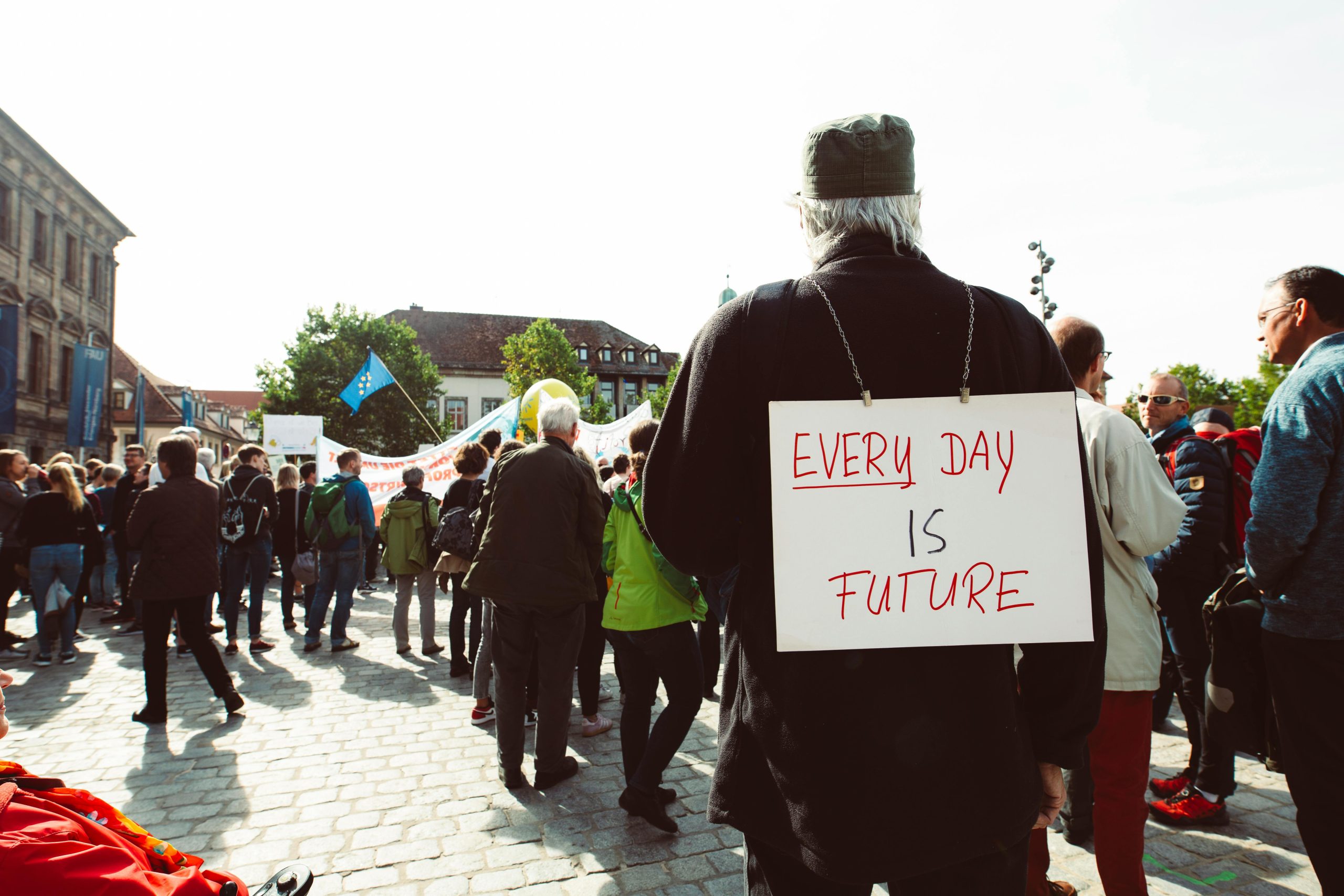
Politics is often dismissed as something abstract, confusing, or even divisive. Yet, the reality is that politics is a powerful force that shapes nearly every aspect of our lives. From the quality of the air we breathe to the opportunities we have for education and employment, political decisions have far-reaching impacts. Recognizing why politics matters and engaging with it thoughtfully can help us influence the direction of our communities and societies for the better.
At its essence, politics is about how power is organized and exercised in a society. It involves the processes through which laws are made, resources allocated, and conflicts resolved. These processes influence who gets access to healthcare, how public schools are funded, how taxes are levied, and what protections workers have. Because these issues touch on fundamental needs and rights, politics is inherently tied to questions of justice, equity, and representation.
Political systems vary widely around the world, but in democratic societies, the goal is to allow people to have a say in how they are governed. Through voting, civic participation, and public discourse, citizens can influence government policies and leadership. However, democracy requires more than just the right to vote; it demands active involvement and informed decision-making. When people disengage or feel powerless, democracy suffers and inequalities can deepen.
One of the central challenges in modern politics is navigating the vast array of issues competing for attention. From climate change and economic inequality to immigration and healthcare reform, political agendas are complex and interconnected. This complexity can make it difficult to understand how individual issues fit together or why some topics dominate public debate. Developing political literacy—an understanding of how political systems work and how policies affect people—is key to making sense of this complexity.
Political parties and ideologies offer frameworks to understand and debate these issues. They help organize political beliefs and policy preferences, providing voters with options and a sense of direction. Yet, it’s important to remember that political ideologies are not monolithic. Individuals within parties often hold diverse opinions, and movements outside traditional party structures can influence political change. Being open to diverse perspectives enriches democratic dialogue and can foster innovative solutions.
Media plays a crucial role in shaping political understanding. Reliable journalism informs citizens about current events, policy debates, and government actions. However, media landscapes today are fragmented, with many outlets catering to specific audiences and viewpoints. This fragmentation can contribute to misinformation and polarization, making it harder for people to find common ground. Critical media consumption—questioning sources, verifying facts, and seeking balanced coverage—is essential to maintaining an informed electorate.
Engagement in politics takes many forms beyond elections. People influence politics through grassroots activism, public demonstrations, community organizing, and lobbying. These forms of participation can bring attention to underrepresented issues, hold leaders accountable, and push for policy reforms. History shows that sustained activism is often what drives meaningful political progress, whether in civil rights, environmental protection, or social justice.
Despite the challenges, politics remains the primary way societies address shared problems and allocate resources fairly. It reflects the collective choices we make about who we are and who we want to become. When citizens take responsibility for political engagement, they help build more inclusive and resilient communities.
In conclusion, politics is far from a remote or irrelevant activity. It is a living, breathing part of our collective existence that directly affects our daily lives. Understanding politics and participating actively allows individuals to advocate for their interests, promote justice, and contribute to shaping a society that reflects their values. The health of any democracy depends on an engaged, informed citizenry ready to participate in the ongoing dialogue about our shared future.