Megan Brown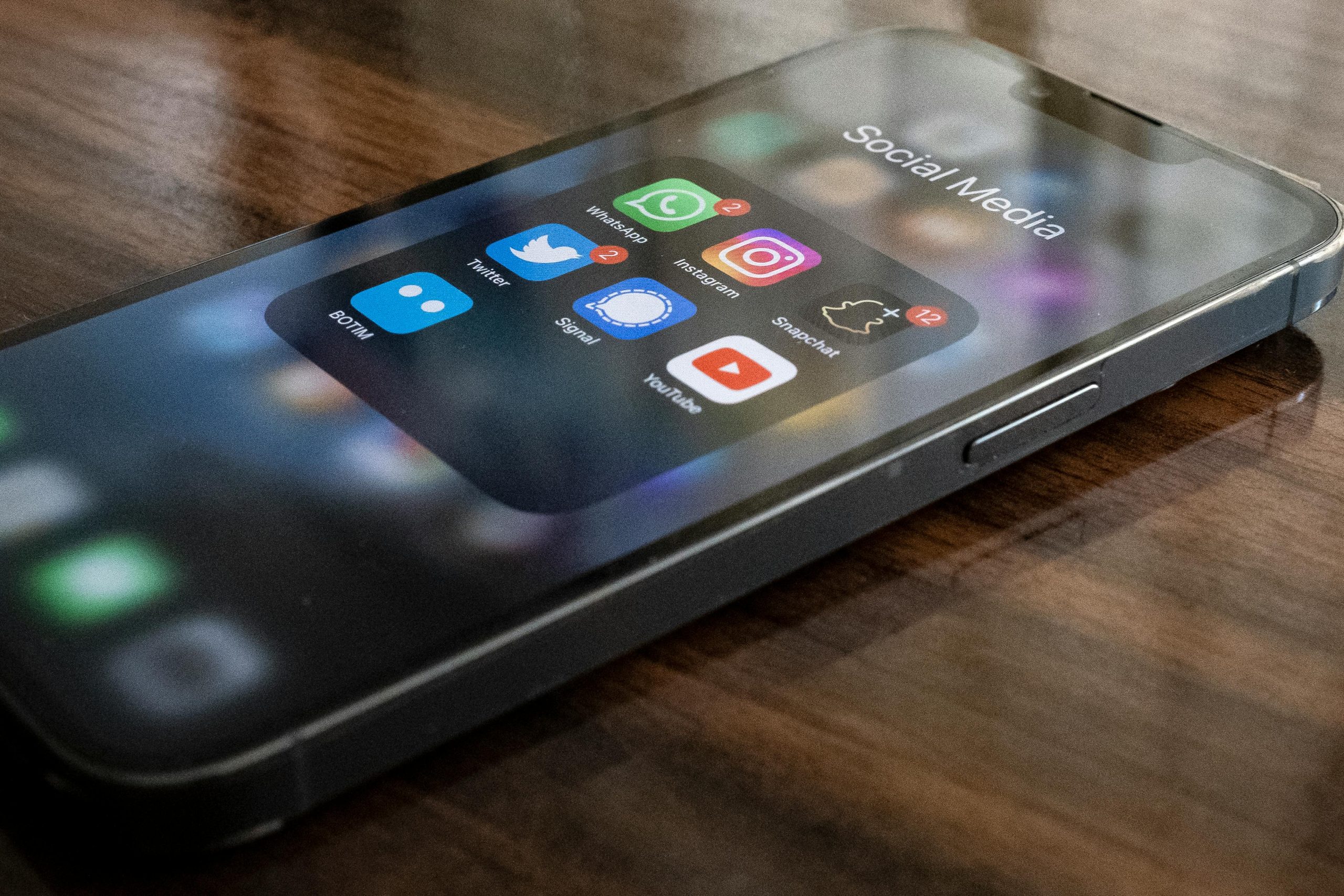
In today’s fast-paced world, technology is not just about gadgets or software—it’s fundamentally changing how humans connect, communicate, and build relationships. Over the past few decades, digital tools have revolutionized social interaction, creating new spaces where friendships form, ideas spread, and communities thrive beyond physical boundaries. Social media platforms, instant messaging, video calls, and virtual reality have transformed the way people maintain relationships, bridging distances and time zones in ways once unimaginable.
However, this new form of connection brings both opportunities and challenges. On one hand, technology allows people to stay in touch with loved ones, collaborate across continents, and find communities with shared interests regardless of geography. It democratizes information and gives a voice to those who might otherwise be unheard. On the other hand, the digital age also raises questions about the quality of these connections—can a “like” or a quick message truly replace face-to-face interaction? Issues like online misinformation, digital addiction, and social isolation have emerged, forcing society to rethink how technology should be integrated into our social fabric.
Moreover, technology is reshaping cultural norms and communication styles. Emojis, memes, and gifs have become new forms of language, enriching conversations with nuance and creativity. Remote work and digital collaboration tools are redefining professional relationships, allowing flexible workflows but also blurring the line between work and personal life. The key going forward will be finding balance—harnessing technology’s power to connect while nurturing meaningful, authentic human experiences. As technology continues to evolve, it challenges us not only to adapt but also to consciously shape how it serves the core of human connection.