Megan Brown
Technology was once something humans used. Today, it is something humans live inside. This shift did not happen overnight, nor was it announced. It happened quietly, through convenience, efficiency, and habit. What began as tools to solve problems gradually became systems that shape behavior, perception, and even identity. Technology is no longer just part of life; it has become the background against which life unfolds.
In earlier eras, technology was visible and deliberate. A tool was picked up, used, and put away. Its purpose was clear, and its influence ended when it was no longer in hand. A hammer did not follow its user home. A machine did not ask for attention after work hours. Technology had boundaries. Those boundaries defined where human agency ended and mechanical assistance began.
The digital age dissolved those boundaries. Computers moved from rooms to desks, from desks to pockets, and finally into the invisible infrastructure of everyday life. Software replaced physical mechanisms. Networks replaced location. Cloud systems replaced storage, memory, and even ownership. Technology stopped being something humans turned on and off and became something that was always present.
This constant presence changed human behavior in subtle but profound ways. Communication became immediate. Waiting became optional. Silence became uncomfortable. Information, once something sought intentionally, began flowing continuously. News, opinions, and updates arrived uninvited. Technology no longer responded only to human intent; it began anticipating it.
Smart devices exemplify this shift. They track habits, preferences, movements, and routines. They learn when people wake, where they go, what they like, and how they feel. In return, they offer convenience—suggestions, reminders, automation. This exchange feels harmless, even helpful, but it gradually shifts control. Decisions once made consciously become delegated to systems optimized for efficiency rather than meaning.
Technology has also reshaped how humans experience knowledge. Information is no longer scarce or difficult to access. Answers are instant. Tutorials are endless. Expertise appears one search away. While this democratization of knowledge is powerful, it also changes how understanding is formed. Memorization becomes less important. Depth is often replaced by speed. Skimming replaces studying. Knowing where to find information is mistaken for knowing itself.
Work has been transformed not only in structure, but in psychology. Technology enables productivity anywhere, anytime. Laptops and mobile devices untether labor from place, but they also untether rest from protection. The boundary between work and personal life becomes porous. Availability becomes expectation. Efficiency becomes identity. Technology promises freedom while quietly redefining obligation.
Automation further complicates this relationship. Tasks once performed by humans are increasingly handled by systems. This increases output and consistency, but it also alters the value of human labor. Roles shift toward oversight, creativity, and decision-making, while routine work fades. For some, this is liberation. For others, it is displacement. Technology does not distribute its benefits evenly, and adaptation is not equally accessible.
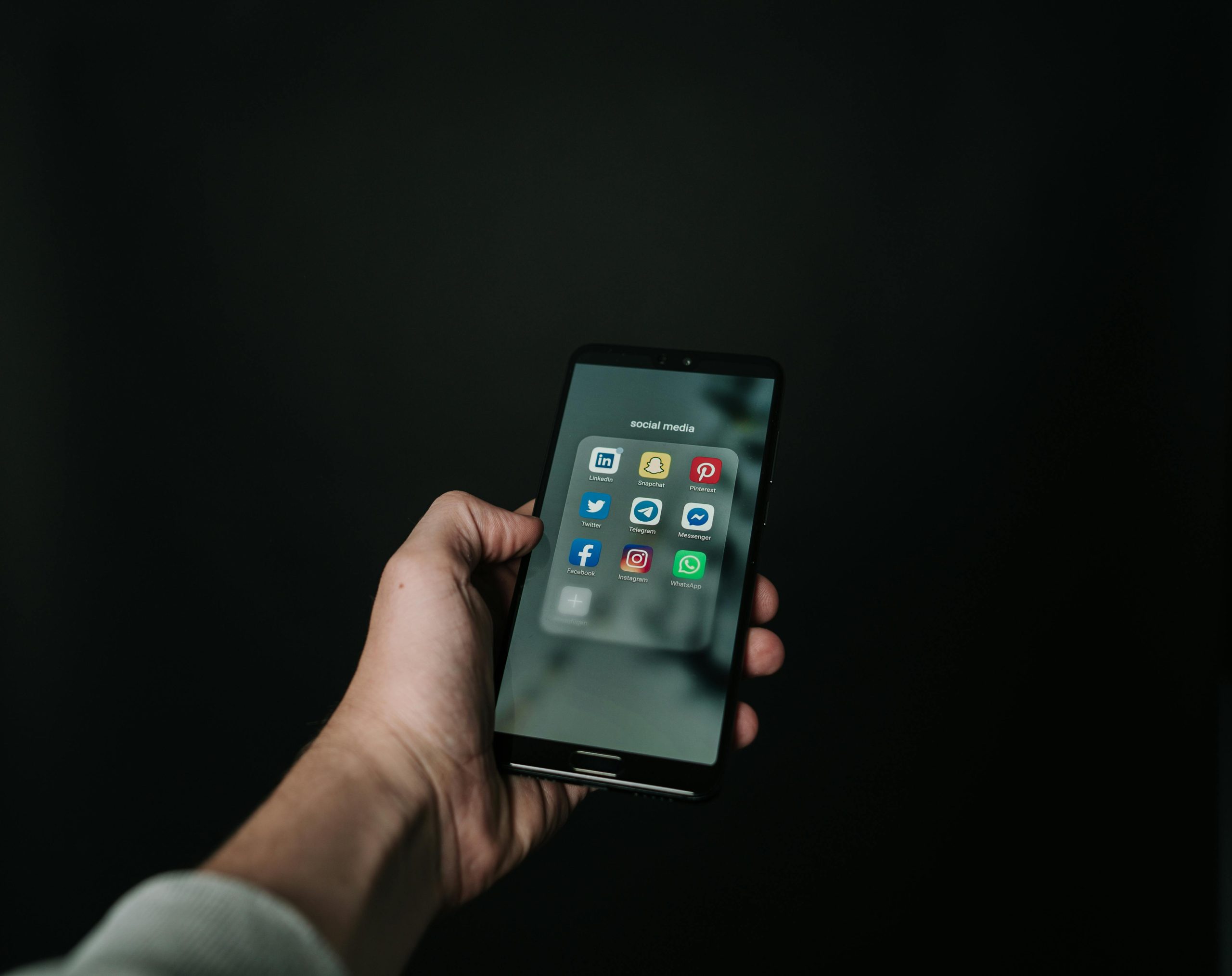
Social interaction has perhaps changed most visibly. Technology connects people across continents instantly, yet it often mediates connection through screens, text, and algorithms. Conversations become curated. Expressions become performative. Validation becomes quantified. Social platforms reward engagement, not depth. As a result, attention becomes currency, and identity becomes something managed rather than lived.
Technology also shapes perception of reality. Algorithms decide what content is shown, which voices are amplified, and which ideas are repeated. Over time, this can narrow perspective rather than expand it. Personalization creates comfort, but it can also create isolation. People live in parallel informational worlds, each shaped by invisible systems designed to maximize retention rather than understanding.
The pace of technological change adds another layer of complexity. Innovation moves faster than cultural adaptation. New tools are adopted before their consequences are understood. Laws, ethics, and social norms lag behind capability. This gap creates uncertainty and misuse—not because technology is malicious, but because it is deployed without sufficient reflection.
Privacy has become one of the most contested casualties of this transition. Technology relies on data, and data often comes from people who do not fully understand how it is collected or used. Convenience is exchanged for exposure. Surveillance becomes normalized under the guise of optimization. Over time, the concept of privacy shifts from a right to a preference, then to a luxury.
Yet technology is not inherently destructive. It has expanded access to education, healthcare, communication, and opportunity. It has enabled collaboration on a global scale. It has given voice to those once excluded from public discourse. Technology amplifies human intention—both constructive and harmful. It reflects priorities rather than dictating them.
The challenge lies in awareness. Living inside technology makes it harder to see. When systems become infrastructure, they fade from notice. People rarely question electricity, plumbing, or roads, yet digital systems now shape behavior just as deeply. When technology becomes environment, it requires a different kind of literacy—not just how to use tools, but how to recognize their influence.
This literacy extends beyond technical skills. It includes understanding incentives, questioning defaults, and recognizing manipulation. It involves choosing when to disconnect, when to slow down, and when to resist automation. Agency in a technological world does not come from rejection, but from intentional use.
The future promises even deeper integration. Emerging technologies blur boundaries between physical and digital, human and machine. Augmented reality, bioengineering, and intelligent systems will further embed technology into daily experience. The question is not whether this will happen, but how consciously it will be shaped.
Human values must evolve alongside tools. Efficiency alone cannot be the guiding principle. Convenience must not replace autonomy. Speed must not erase reflection. Technology should serve human flourishing, not redefine it narrowly.
Ultimately, technology is a mirror. It shows humanity what it prioritizes, what it avoids, and what it values. If distraction dominates, technology will amplify it. If curiosity leads, technology will support it. The tools themselves are flexible; the direction comes from those who build and use them.
Living inside the machine does not mean losing humanity. It means recognizing that technology is no longer external. It is cultural, psychological, and social. With that recognition comes responsibility. The future of technology is not written in code alone—it is written in choices, habits, and values.
Technology will continue to evolve. The challenge is ensuring that humans evolve with intention rather than drift. Awareness, balance, and reflection are no longer optional. In a world where technology becomes invisible, seeing clearly may be the most important skill of all.