Megan Brown
Technology has always been humanity’s way of extending itself beyond natural limits. From the first stone tools to modern digital systems, every technological leap has altered not only how people live, but how they think, communicate, and understand the world. What makes the current era different is not just the speed of innovation, but the depth of its influence. Technology is no longer something humans occasionally use; it is something they exist within.
In its earliest forms, technology was simple and visible. Tools were extensions of the body, designed to cut, lift, hunt, or build. Fire extended warmth and protection. The wheel extended movement. Writing extended memory beyond the human brain. Each invention solved an immediate problem while quietly reshaping society. Writing changed how knowledge was preserved. Agriculture altered social structures. Printing democratized information. Even then, technology was not neutral—it shaped power, culture, and identity.
The industrial age marked a turning point. Machines replaced muscle, factories replaced workshops, and cities grew rapidly around production. Technology accelerated output and efficiency, but also introduced new challenges. Work became repetitive, environments became polluted, and labor became disconnected from craftsmanship. Society gained material wealth while grappling with social cost. This pattern—progress paired with consequence—has followed every major technological shift.
The digital revolution intensified this dynamic. Computers transformed calculation and storage. The internet collapsed distance and redefined communication. Information became instant, abundant, and portable. For the first time in history, knowledge was no longer scarce. Anyone with access could learn, publish, and connect globally. This shift empowered individuals, disrupted institutions, and challenged traditional authority.
Yet abundance created new problems. When information is unlimited, attention becomes the scarce resource. Technology began competing for human focus. Notifications, feeds, and algorithms shaped behavior subtly but persistently. People no longer just used technology; technology began influencing how people thought, what they valued, and how they interacted with one another.
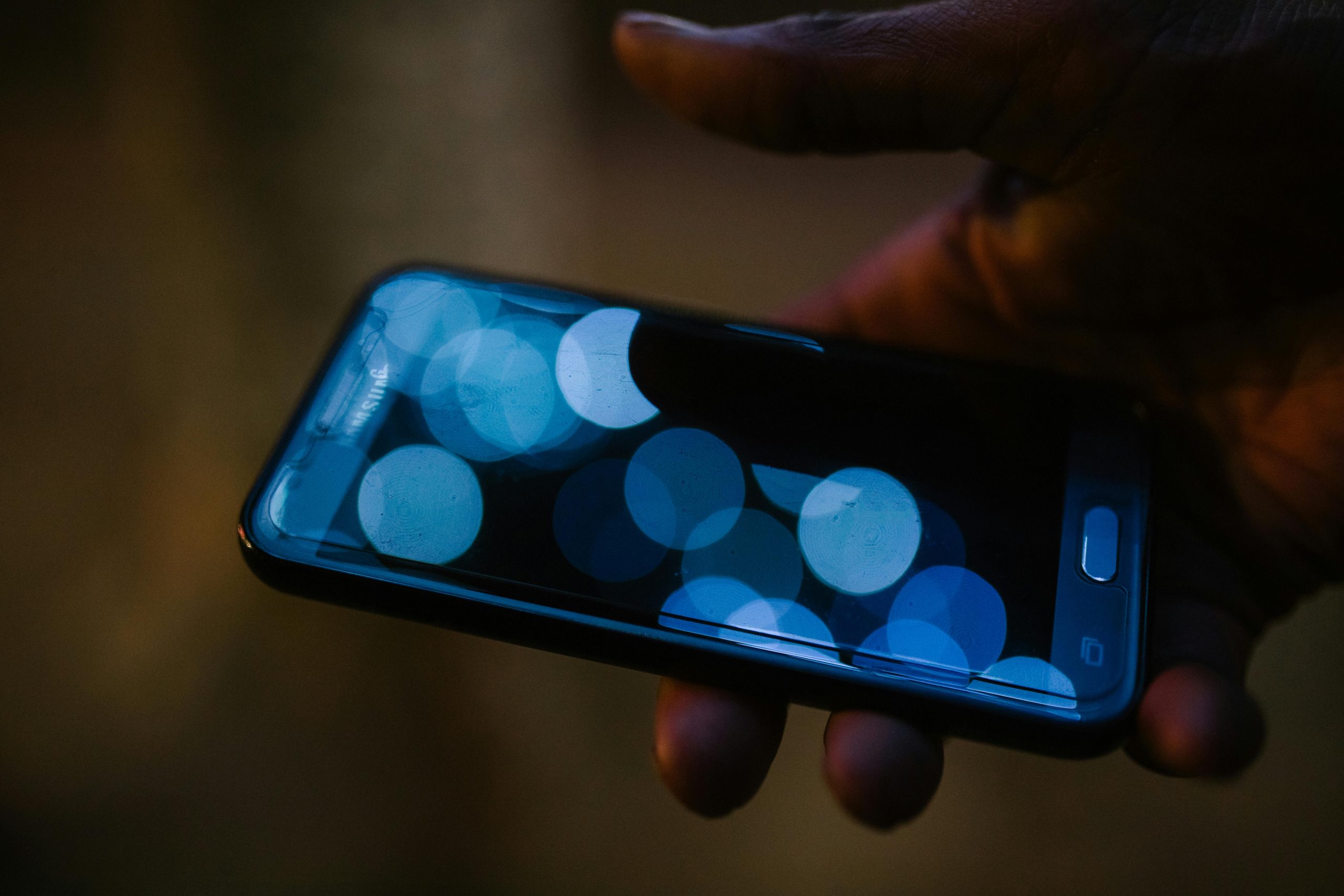
Smartphones became the most intimate technological object ever created. They serve as memory, map, camera, library, workplace, and social space. They blur boundaries between personal and professional life, between rest and productivity. While offering unprecedented convenience, they also reshape habits, shorten attention spans, and redefine privacy. The device is small, but its influence is immense.
Technology has also transformed work. Automation and software have increased efficiency and reduced manual labor, but they have also changed what skills are valuable. Routine tasks are increasingly handled by machines, while human work shifts toward creativity, judgment, and communication. Entire industries have been disrupted, forcing workers to adapt continuously. Lifelong careers have given way to lifelong learning.
Remote work, once rare, has become normalized through digital tools. Geography matters less, but boundaries blur more. Productivity is no longer tied to location, yet work often follows people home. Technology offers flexibility while demanding availability. This trade-off defines much of modern professional life.
Education has been reshaped as well. Learning is no longer confined to classrooms or institutions. Online courses, digital libraries, and interactive platforms allow people to acquire skills at their own pace. At the same time, technology challenges deep learning. Easy access to information can discourage critical thinking if not guided properly. Knowing how to find information is not the same as understanding it.
Healthcare illustrates technology’s dual nature clearly. Medical technology has extended life expectancy, improved diagnostics, and enabled complex treatments. Digital records, imaging systems, and data analysis improve efficiency and accuracy. At the same time, overreliance on systems can reduce human connection, and unequal access can widen health disparities. Technology enhances care, but it does not replace empathy.
Social relationships have also been transformed. Technology connects people across continents instantly, yet many feel more isolated than ever. Online interaction lacks the nuance of face-to-face communication. Algorithms shape social spaces, often reinforcing existing beliefs and preferences. Communities form quickly, but they can fragment just as fast. Technology amplifies both connection and division.
One of the most profound changes brought by modern technology is the shift from tools to systems. Early tools served clear purposes. Today’s technologies are interconnected networks that adapt and evolve. Algorithms decide what content is seen, what products are suggested, and sometimes what opportunities are offered. These systems operate at scales and speeds beyond individual understanding, raising questions about transparency, control, and accountability.
Privacy has become one of the defining issues of the technological age. Digital systems collect vast amounts of data—often invisibly. Personal information is traded for convenience, personalization, and access. While data enables innovation, it also creates vulnerability. Surveillance, data breaches, and misuse erode trust. The challenge is not rejecting technology, but redefining consent and responsibility in a connected world.
Technology also shapes power. Those who control platforms, infrastructure, and data wield enormous influence. Decisions made by a small number of organizations can affect billions of people. This concentration raises concerns about fairness, competition, and democratic oversight. Technology may appear neutral, but it reflects the priorities and values of its creators.
At the same time, technology has enabled powerful forms of resistance and empowerment. Social movements organize online. Marginalized voices find platforms. Information flows around traditional gatekeepers. Technology can challenge authority just as easily as it can reinforce it. Its impact depends largely on how it is used and by whom.
Innovation continues to accelerate. Artificial intelligence, biotechnology, virtual reality, and quantum computing promise to reshape society again. These technologies blur boundaries between human and machine, physical and digital, natural and artificial. They force humanity to confront ethical questions once confined to philosophy. What should machines decide? How much control should be automated? What does it mean to enhance or alter human capabilities?
The pace of change creates tension. Society adapts culturally slower than technology evolves. Laws, norms, and institutions struggle to keep up. This gap can lead to misuse, inequality, and unintended consequences. Responsible innovation requires foresight, humility, and collaboration across disciplines.
Technology also affects how humans perceive time. Everything moves faster—communication, news, trends, and expectations. Patience becomes harder, reflection rarer. Constant updates create a sense of urgency that is not always meaningful. Slowness, once normal, now feels inefficient. This shift has psychological consequences, influencing stress, attention, and satisfaction.
Despite its challenges, technology remains a testament to human creativity. Every invention represents curiosity, problem-solving, and imagination. Technology is not an external force acting upon humanity—it is humanity expressed through tools. Its flaws reflect human limitations; its achievements reflect human potential.
The question is not whether technology is good or bad, but whether it is guided wisely. Tools shape their users. Systems shape societies. Awareness is the first step toward balance. Understanding how technology influences behavior allows individuals and communities to reclaim agency.
In the future, the most important skill may not be technical proficiency, but discernment—the ability to decide when and how to use technology thoughtfully. Progress does not require constant acceleration. Sometimes it requires pause, reflection, and restraint.
Technology will continue to evolve, regardless of fear or optimism. The challenge is ensuring that human values evolve alongside it. Efficiency must be balanced with meaning. Innovation must be matched with responsibility. Convenience must not erase autonomy.
The tools that changed their makers did not do so by accident. They reflected choices, priorities, and incentives. As technology becomes more powerful and pervasive, the responsibility to guide it becomes greater. The future of technology is ultimately a human question—not about what machines can do, but about what humans choose to build, accept, and protect.