Megan Brown
Mondays often feel like a reset button, but in pop culture, they’re more than just the start of the workweek—they’re a subtle barometer of trends in motion. What people notice casually at the beginning of the week can hint at the conversations, memes, and viral moments that will dominate later. In other words, attention patterns on a Monday often foreshadow cultural momentum for the days to come.
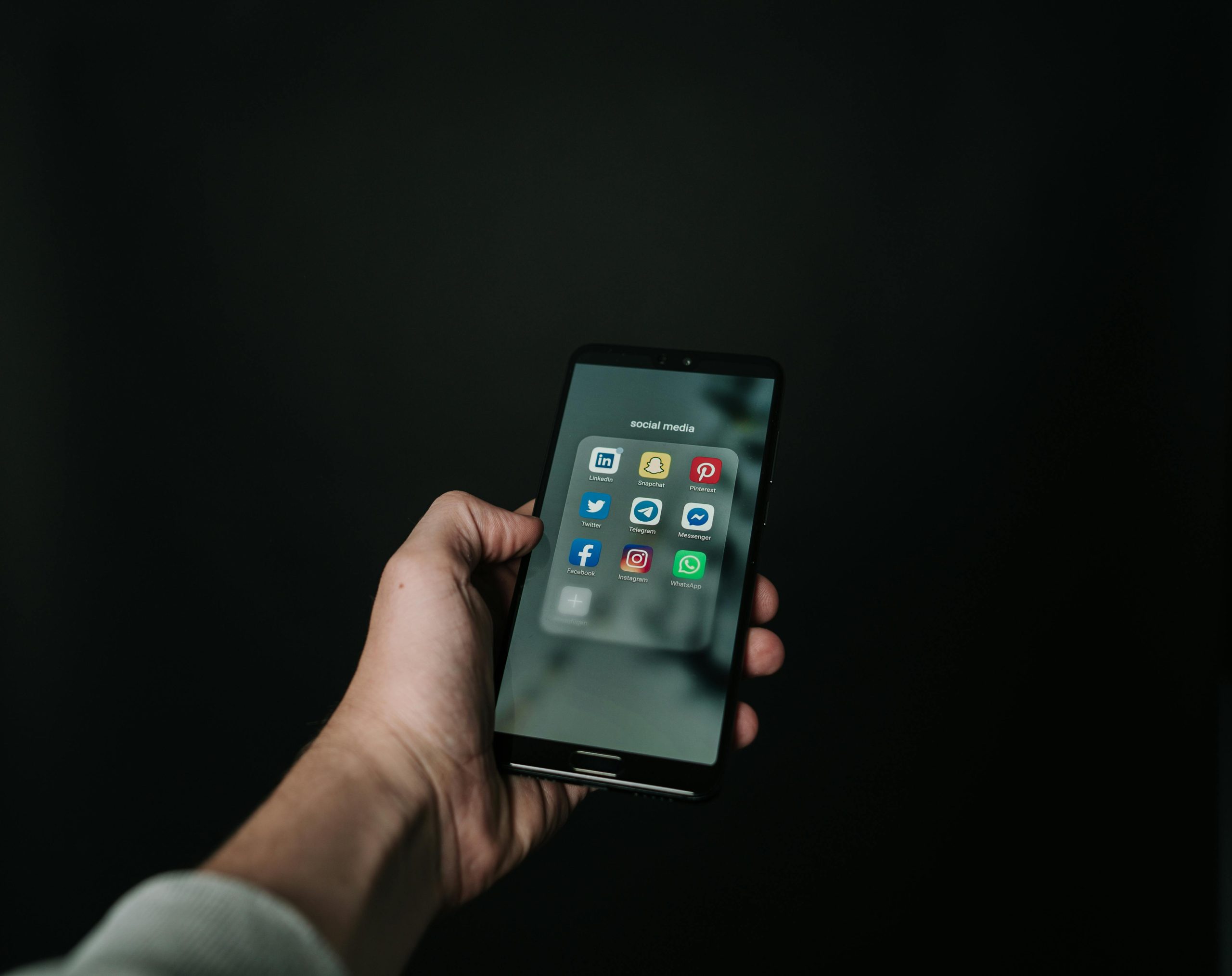
Unlike high-profile events or heavily promoted campaigns, these early-week observations are organic. Fans scroll through Instagram, TikTok, and X, reacting to small glimpses of celebrity content, trending songs, fashion snippets, or unexpected collaborations. The casual attention they give—likes, shares, or even just a pause on a clip—signals which topics have staying power.
Pattern recognition is key. Social media algorithms notice which posts garner early traction, and those moments are amplified. A meme or celebrity quip that sparks casual engagement on Monday may be the viral story by Wednesday. Observant marketers, pop culture analysts, and media teams monitor these subtle reactions as predictive data.
The phenomenon also highlights audience behavior. People increasingly interact with content intuitively rather than consciously evaluating its cultural significance. These micro-reactions—laughing at a joke, pausing on a bold outfit, or commenting on a behind-the-scenes snippet—aggregate into larger trends. What seems like minor engagement can determine the week’s dominant narratives.
For brands and influencers, the takeaway is clear: early-week interactions are meaningful. Observing subtle patterns rather than reacting impulsively can guide content strategy, collaboration choices, and timing. The small, casual attention of followers can signal which moments will resonate most deeply.
Ultimately, Mondays are less about hot takes and more about noticing the quiet signals. Pop culture moves fast, but those who observe patterns early gain foresight into what will define the week. Paying attention to subtle engagement can be the difference between predicting trends and chasing them.