Megan Brown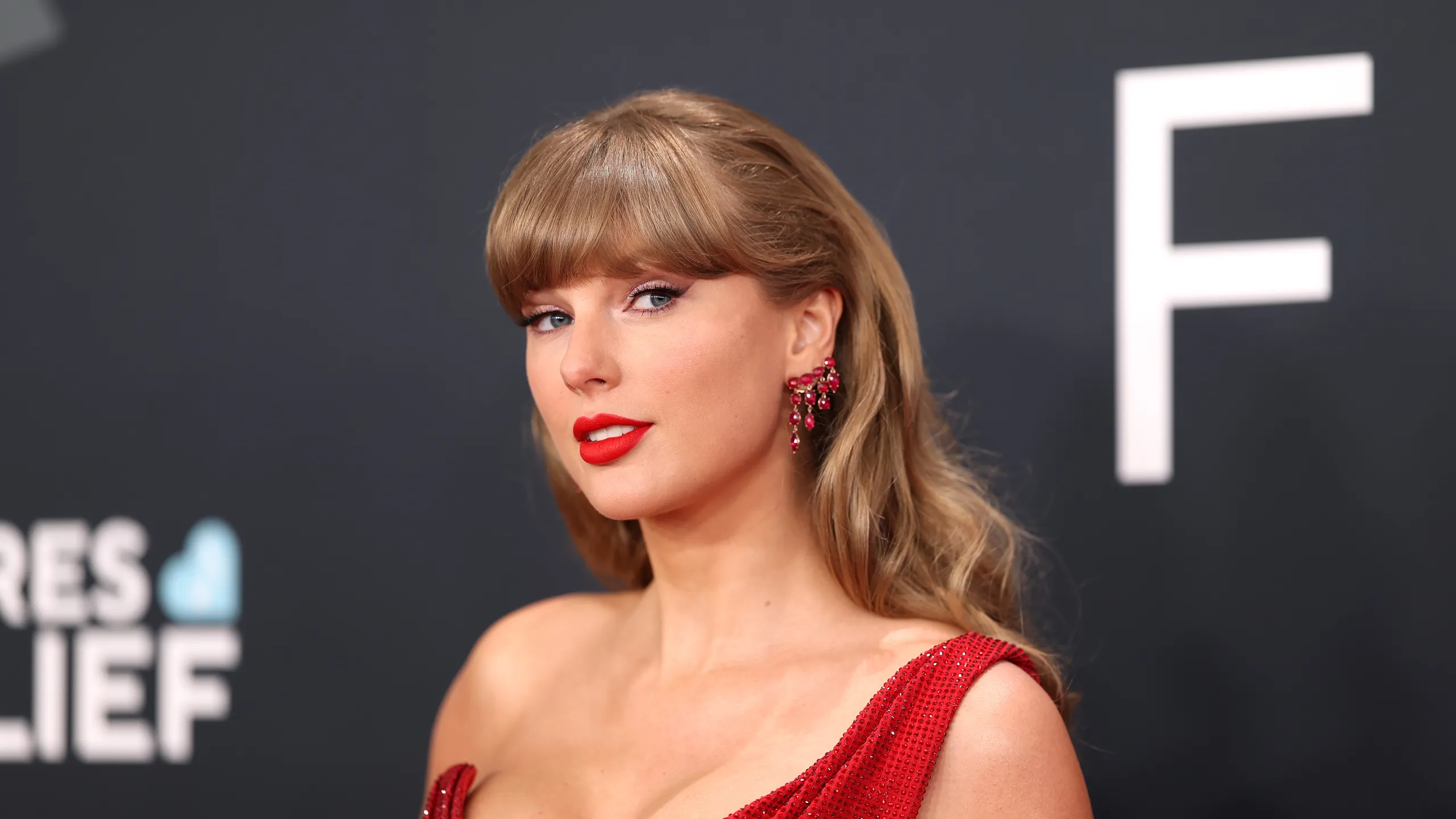
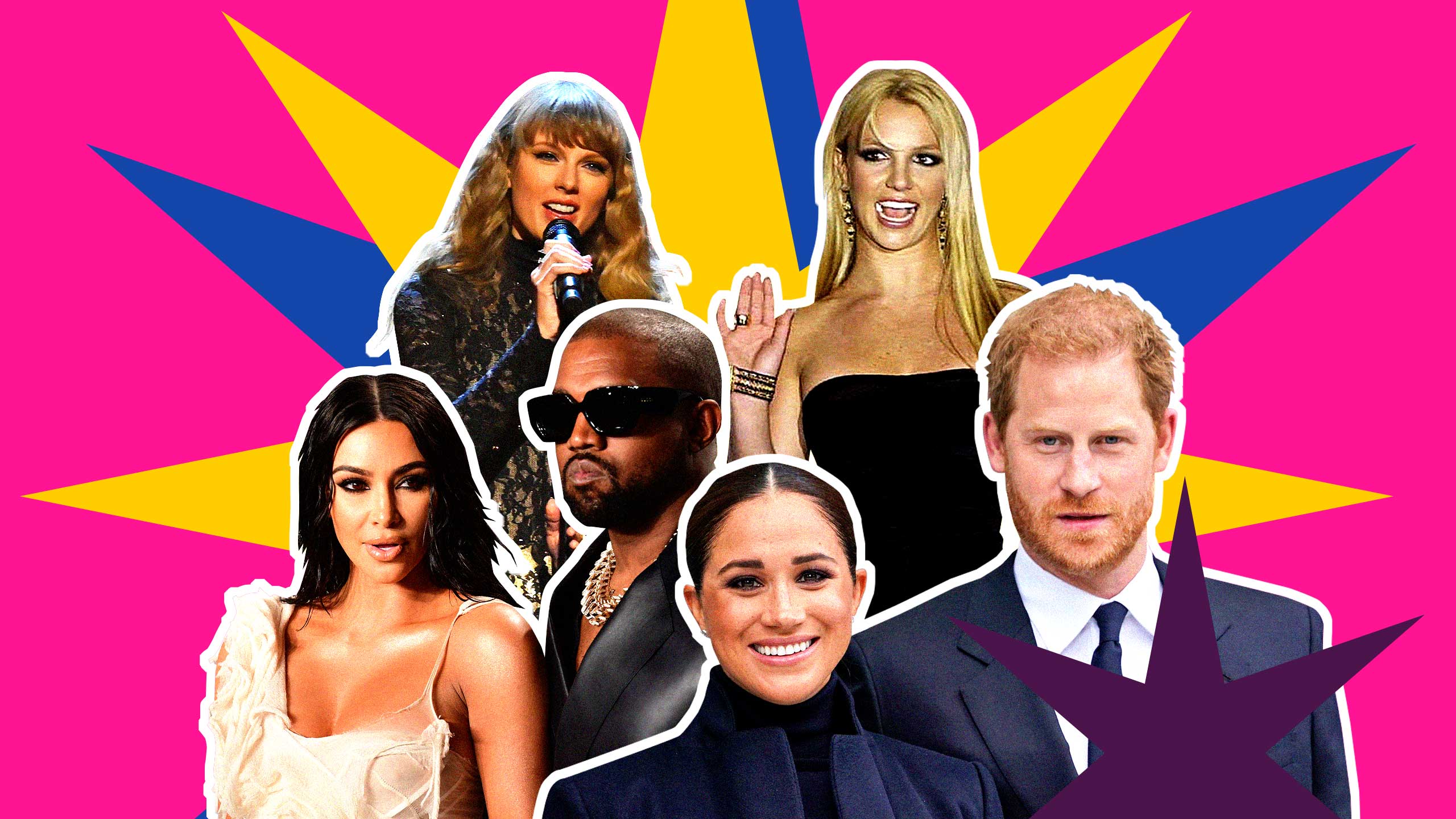
The modern pop landscape is no longer just about catchy hooks or chart performance—it’s about storytelling, identity, and the public dissection of fame itself. The continued dominance of Taylor Swift, especially with conversation around her recent single “Elizabeth Taylor,” reflects a broader shift in pop music: celebrity fame narratives are no longer subtext—they are the main event.
What’s happening right now isn’t accidental. Pop music has always drawn from personal experience, but today’s artists are operating in an environment where their lives are already hyper-visible. Social media, paparazzi culture, and constant fan engagement mean that audiences don’t just listen to music—they follow storylines. In Swift’s case, she has spent over a decade refining the art of turning her personal life into a layered narrative universe, one where relationships, breakups, and reinvention cycles become chapters in an ongoing saga.
The reference to Elizabeth Taylor in the song title is telling. Taylor, one of Hollywood’s most iconic figures, was as famous for her relationships as she was for her acting. By invoking her, Swift isn’t just telling a love story—she’s tapping into a historical lineage of celebrity romance, where love is amplified, scrutinized, and often consumed as spectacle. The comparison suggests that the emotional stakes of fame haven’t changed, but the scale and speed of public attention certainly have.
This is where modern pop diverges from earlier eras. In the past, artists might allude to their personal lives through metaphor or distance. Today, listeners often come in with prior knowledge. They know the rumored partners, the timelines, the public moments. Songs become less like standalone pieces and more like extensions of a real-time narrative. Fans decode lyrics, connect dots, and build theories, turning each release into an interactive experience.
Swift has mastered this dynamic, but she’s far from alone. Artists like Olivia Rodrigo and The Weeknd also weave fame, heartbreak, and public perception into their music. Rodrigo channels the intensity of young love under a microscope, while The Weeknd often explores the emptiness and excess that can come with global stardom. The common thread is that fame itself is no longer just a backdrop—it’s a central theme.
One reason these narratives resonate so strongly is that they mirror the audience’s own relationship with visibility, albeit on a different scale. In a world where many people curate their lives online, the idea of being watched, judged, and interpreted is widely relatable. Celebrity stories become exaggerated versions of everyday experiences: falling in love, dealing with heartbreak, navigating identity. The difference is that for celebrities, these experiences are public, permanent, and often monetized.
There’s also a shift in what audiences expect from authenticity. Pop music used to rely on the illusion of effortlessness, where the artist appeared larger than life and somewhat removed from ordinary concerns. Now, authenticity is tied to vulnerability and specificity. Fans want details. They want to feel like they are getting insight into the artist’s real thoughts and emotions. Fame narratives provide that, or at least the appearance of it.
However, this creates a delicate balance. The more an artist leans into personal storytelling, the more their private life becomes part of their brand. This can be empowering, allowing artists to control their own narratives, but it can also be limiting. Once audiences become invested in a particular storyline, it can be difficult to step outside of it. Every new relationship, every public appearance, becomes material for interpretation.
Swift’s ability to navigate this tension is part of what keeps her at the center of the conversation. She doesn’t just share stories—she frames them. By referencing figures like Elizabeth Taylor, she situates her experiences within a broader cultural context, turning personal moments into commentary on fame itself. It’s a meta approach: songs are about relationships, but they’re also about what it means to have those relationships under constant observation.
The rise of streaming and algorithm-driven platforms has further amplified this trend. Songs that spark discussion, speculation, and emotional reaction are more likely to be shared, replayed, and recommended. In other words, narrative-rich songs perform well not just artistically, but structurally within the music ecosystem. A track that invites listeners to “figure it out” has a built-in engagement loop.
There’s also a generational component at play. Younger audiences have grown up in an environment where the boundaries between public and private are blurred. They are accustomed to following influencers, celebrities, and even peers in real time. For them, the idea that a song might reference real events or people is not unusual—it’s expected. This makes fame narratives feel immediate and relevant, rather than distant or abstract.
At the same time, there’s a growing awareness of the darker side of this dynamic, which is exactly what songs like “Elizabeth Taylor” seem to explore. Fame can amplify emotions, distort relationships, and create pressures that are difficult to sustain. Love becomes performance, conflict becomes content, and personal moments can be reinterpreted endlessly by strangers. By addressing these themes, artists are not just feeding into the narrative—they are critiquing it.
This dual function is part of what makes modern pop so compelling. It operates on multiple levels at once. A song can be a breakup anthem, a character study, and a commentary on media culture simultaneously. Listeners can engage with it emotionally, intellectually, or even analytically, depending on their level of investment.
Another factor driving the prominence of fame narratives is the decline of traditional celebrity mystique. In earlier decades, there was a greater distance between stars and the public. Interviews were curated, appearances were limited, and much of an artist’s life remained unknown. Today, that distance has largely disappeared. Social media provides constant access, but it also creates a paradox: the more we see, the more we want to understand.
Music becomes a way to fill in the gaps. Even if the details are not explicitly confirmed, songs offer a framework for interpretation. They allow artists to shape how their stories are told, even as those stories are being discussed elsewhere. This interplay between control and speculation is central to the current pop landscape.
It’s also worth noting that fame narratives are not entirely new—they’ve simply become more explicit. Artists have long written about love, heartbreak, and identity. What has changed is the level of transparency and the speed at which those stories are disseminated. The internet has turned what used to be private inspiration into public discourse.
In this context, Swift’s continued dominance is less about any single song and more about her ability to operate within this system at a high level. She understands that music is no longer just audio—it’s narrative, branding, and cultural conversation all at once. By leaning into fame narratives, she ensures that her work remains not just relevant, but central to how pop culture is discussed.
Ultimately, the rise of celebrity fame narratives in pop music reflects a broader cultural shift. We are living in an era where stories about visibility, perception, and identity resonate deeply. Celebrities, by virtue of their platform, experience these dynamics in an intensified form, making their stories both aspirational and cautionary.
Songs like “Elizabeth Taylor” capture that tension. They remind us that behind the glamour of fame lies a more complicated reality—one where love and identity are shaped not just by personal experience, but by the gaze of millions. And as long as audiences remain fascinated by that dynamic, these narratives will continue to dominate the sound and conversation of pop music.