Megan Brown
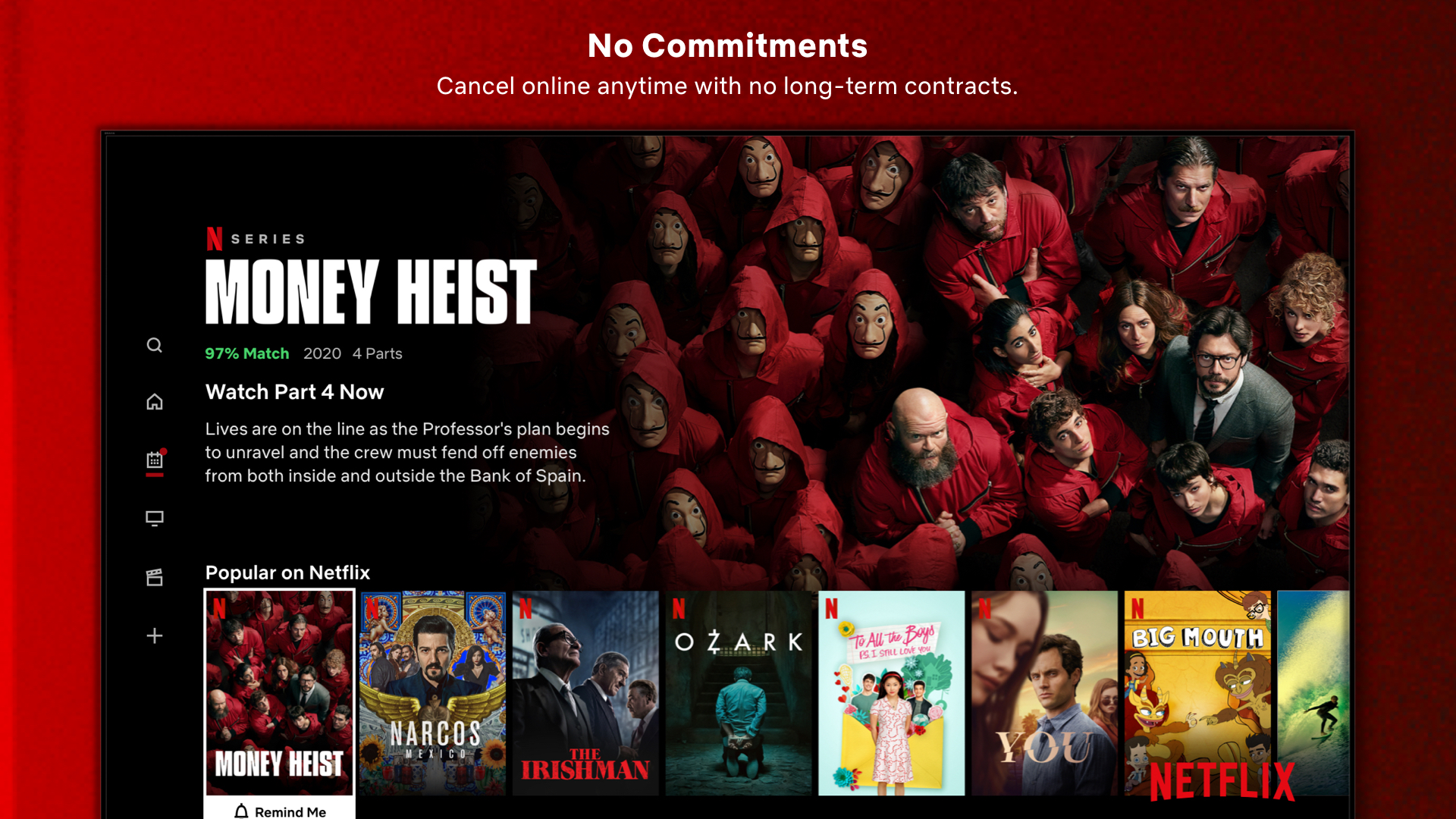
Hollywood is changing—and fast. Streaming platforms like Netflix, Amazon Prime Video, and Disney+ are competing for audiences in an era of limitless content and fractured attention. In this environment, familiar faces carry weight. Recognizable talent can drive clicks, views, and subscriptions. But the influence of celebrities today extends far beyond simply starring in a project—they are increasingly shaping it from start to finish.
Stars are stepping into roles traditionally reserved for studio executives: producers, investors, and creative directors. Figures like Zendaya, Ryan Reynolds, and Bad Bunny are no longer just the faces of projects—they are architects of them. They influence casting decisions, storylines, marketing strategies, and even production budgets. Their involvement ensures that the content aligns with their vision, resonates with their audience, and retains authenticity.
One driving factor behind this shift is audience demand for authenticity. Streaming audiences want more than polished performances—they want personal narratives, cultural resonance, and distinctive voices. When celebrities have creative control, the end product often reflects their unique perspective, making it feel more genuine. Fans notice the difference between a project they helped shape and one they simply star in. Engagement is higher, reviews are stronger, and word-of-mouth marketing becomes organic.
Financial incentives also play a role. By taking ownership of projects, celebrities are not just paid for their performance—they participate in profits, intellectual property, and long-term revenue streams. This approach mirrors trends in entrepreneurship, where ownership and investment are as important as public visibility. Bad Bunny’s ventures, for example, span music, merchandising, and now content creation, showing how integrated control over a project can amplify both creative and financial outcomes.
This influence extends to storytelling itself. Celebrities increasingly prioritize narratives that reflect underrepresented voices or address cultural issues that matter to them. By shaping the content from the inside, they can champion diverse perspectives, challenge stereotypes, and push boundaries that traditional studios may have hesitated to explore. This approach aligns with a broader societal push for inclusion, representation, and authenticity in media.
The rise of social media has made it easier for celebrities to wield this power. Platforms like Instagram, TikTok, and X allow them to build direct relationships with audiences, measure engagement, and gauge reactions in real time. That data informs decisions behind the scenes, giving stars insights that can shape both creative and business strategies. In effect, they are using the same tools that studios once relied on to predict audience behavior—but now with firsthand experience and influence.
Another reason celebrities are taking control is the increasingly competitive streaming landscape. Studios need content that stands out, and recognizable talent is a key differentiator. When actors and musicians step into producer or director roles, their creative fingerprints make a project distinct. It’s no longer just another show or film—it’s a “star-driven” experience that audiences immediately recognize. In a crowded market, that visibility translates into attention, subscriptions, and cultural relevance.
Consider multi-hyphenates like Ryan Reynolds. With projects like Deadpool and his production company ventures, he combines acting with producing, marketing, and brand strategy. The result is content that feels cohesive, purposeful, and highly tailored to audiences who expect consistency from the talent they follow. Similarly, Zendaya’s work on projects such as Euphoria has shown how actors can influence tone, narrative depth, and cultural impact, creating content that resonates far beyond standard performance expectations.
For streaming platforms, this shift benefits everyone. Celebrities with creative control reduce risk. Their involvement ensures higher engagement, more predictable audience behavior, and stronger brand alignment. Fans trust projects that are authentically linked to the talent they admire, reducing marketing friction and increasing the likelihood of viral attention. In a media ecosystem dominated by algorithms and instant feedback, authenticity has become a commodity—and stars are increasingly the ones guaranteeing it.
This transformation also reflects a long-term evolution of Hollywood power structures. Traditionally, studios controlled the narrative, dictating which stories were told and how. Now, celebrities are gaining leverage not just as performers, but as creators and decision-makers. They are reshaping the industry, moving from passive participants to active architects of culture.
The implications extend beyond Hollywood. This approach encourages risk-taking, innovation, and experimentation. It allows projects to tackle unconventional subjects, embrace emerging talent, and experiment with hybrid formats that merge music, film, and digital media. Celebrity involvement ensures that these experiments maintain a coherent vision, increasing the likelihood of critical and commercial success.
Ultimately, the rise of celebrity-led creative control reflects both market realities and cultural evolution. Streaming platforms need recognizable talent to compete. Audiences demand authenticity and engagement. And stars increasingly want ownership, influence, and a platform to shape the stories that matter to them.
In this environment, the boundary between actor, musician, and creator is dissolving. Celebrities are no longer just performers—they are producers, investors, strategists, and cultural architects. And in taking control of their projects, they are redefining what it means to succeed in Hollywood today.
The era of passive stardom is over. Today, influence is measured not just by visibility, but by vision. Those who harness it are the ones shaping the future of entertainment.