Megan Brown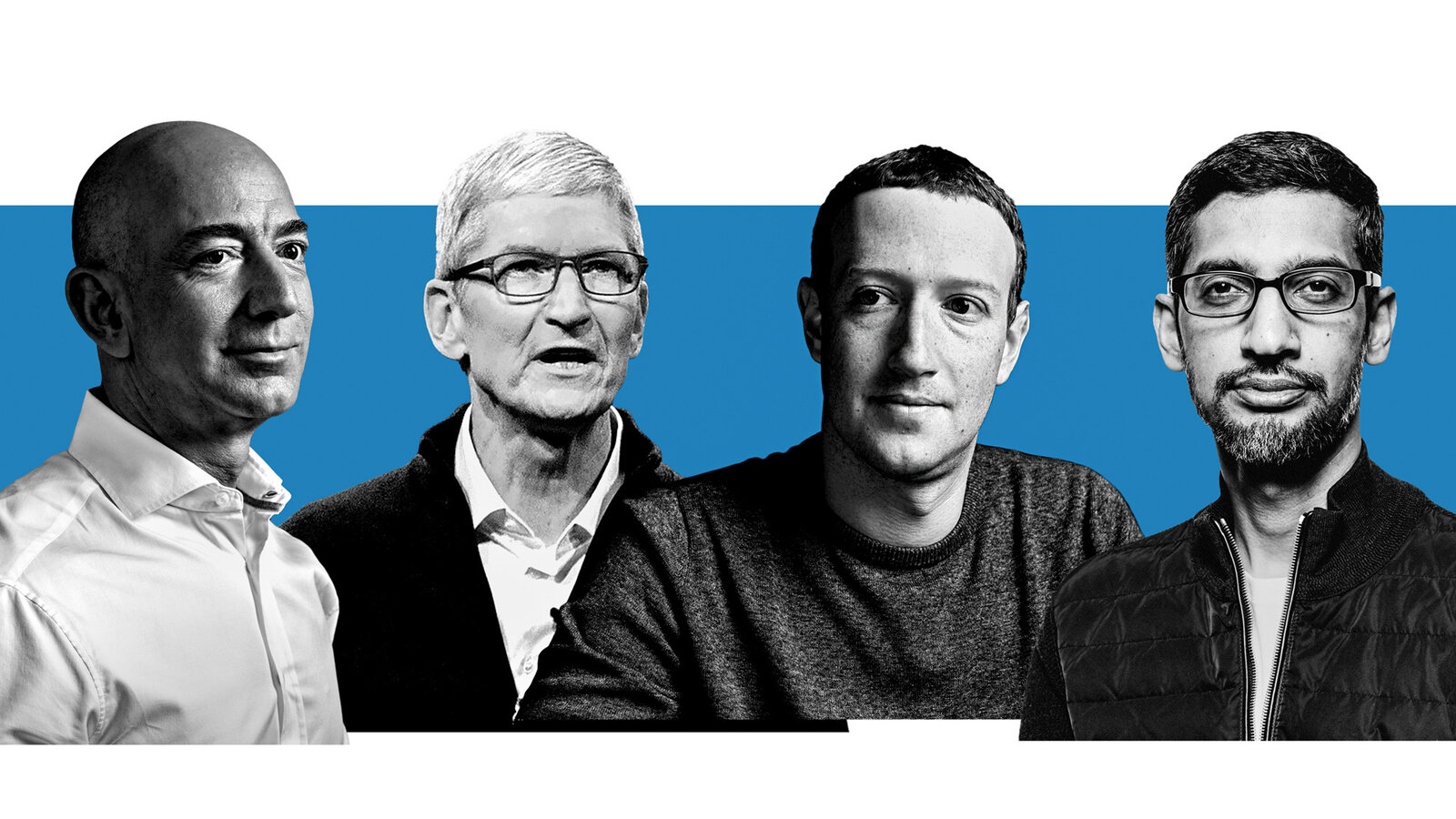
In today’s world, tech leaders are no longer just architects of products and platforms—they are increasingly shaping public discourse, culture, and even social norms. CEOs of major technology companies have transitioned from corporate figures to cultural influencers, with their statements, perspectives, and personal brands influencing conversations far beyond the boardroom. Platforms they control, innovations they launch, and viewpoints they share now carry weight in political, social, and ethical debates, making them among the most visible and consequential voices of our time.
This evolution reflects the growing societal influence of technology itself. Companies that once focused solely on product development now touch nearly every aspect of daily life, from how people communicate to how they consume news, shop, and access information. With such reach, the leaders behind these platforms naturally gain visibility—and with visibility comes cultural influence. Their opinions on privacy, AI ethics, climate policy, and social responsibility are no longer confined to industry circles; they ripple through media coverage, social networks, and public discourse.
Social media amplifies this phenomenon. Tech CEOs communicate directly with millions of followers, bypassing traditional media filters and cultivating personal narratives that resonate with global audiences. Their public personas often blur the line between executive leadership and cultural commentary, making them not just business figures but symbols of innovation, power, and vision. In many cases, their influence rivals that of elected officials, celebrities, and thought leaders in shaping public perception and societal priorities.
The rise of tech leaders as cultural figures also highlights the interconnection between technology and society. Their platforms and products affect everyday behavior, creating both opportunities and responsibilities. As a result, their personal values, public statements, and strategic decisions are scrutinized not only for business impact but for broader cultural implications. Discussions around ethical AI, digital privacy, misinformation, and accessibility are now inseparable from the reputations and choices of these leaders.
Ultimately, the role of tech CEOs in 2026 is expanding beyond corporate governance. They are now central actors in shaping social, cultural, and even political conversations, wielding influence that extends far beyond products and services. As technology continues to permeate daily life, their voices will remain pivotal in defining how society negotiates the promises and challenges of a digital age. Their power is cultural as much as it is commercial—and understanding that influence is essential for anyone following the intersection of tech, society, and public debate.