Megan Brown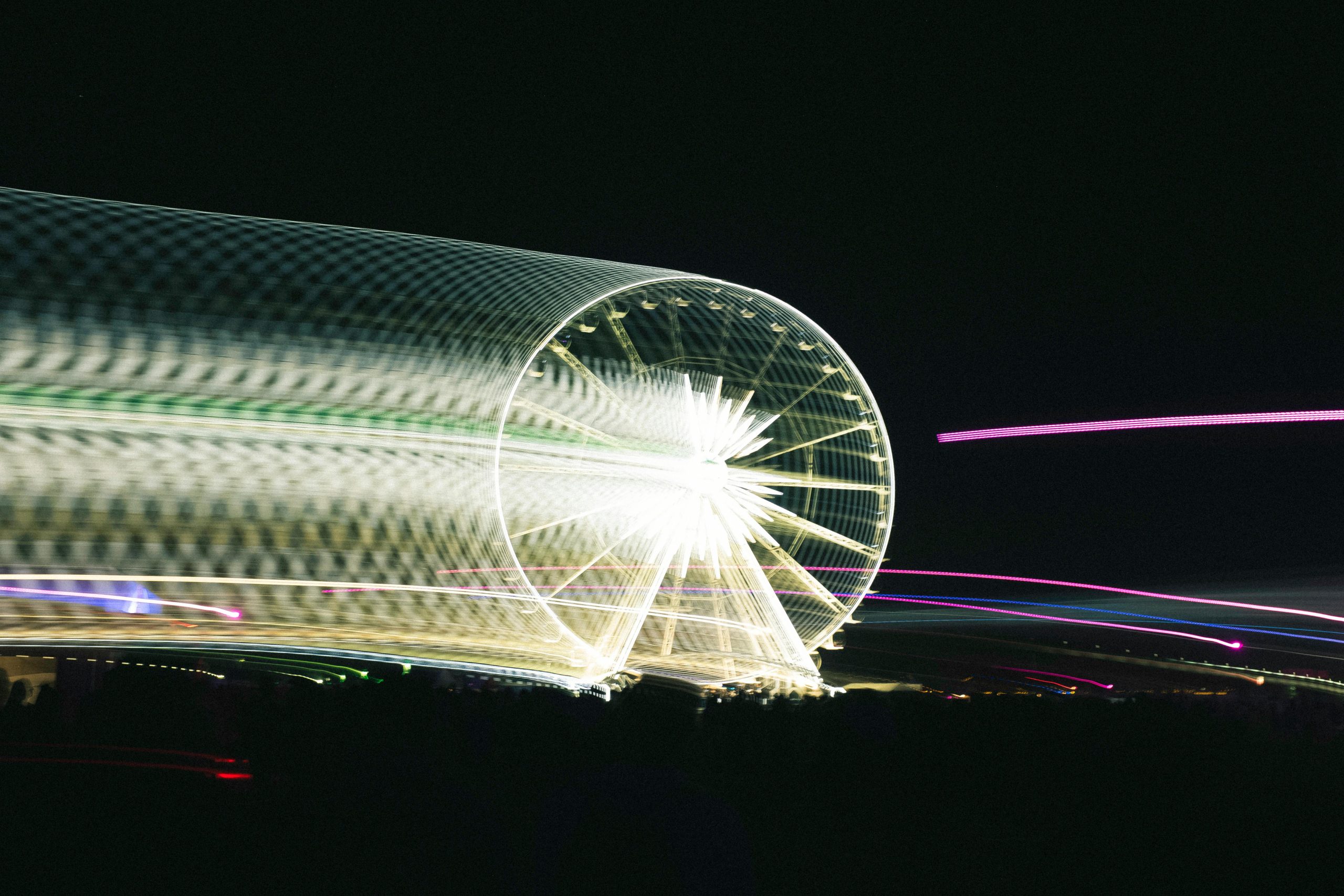
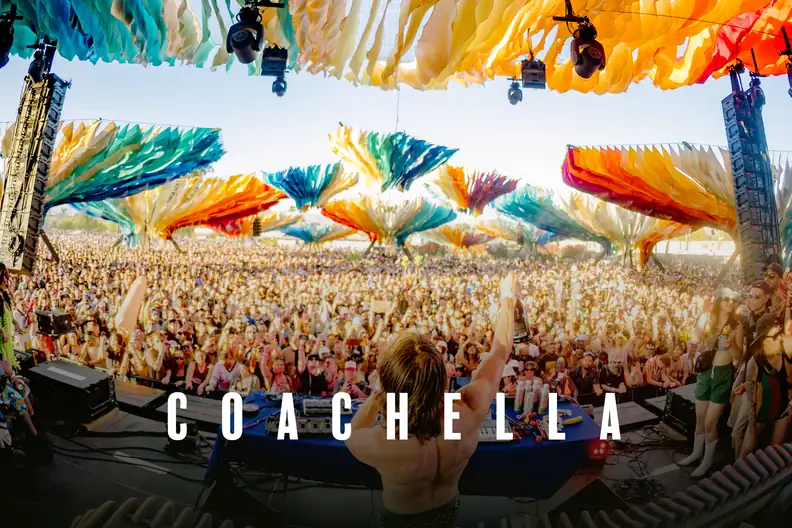
The dust has barely settled in the California desert, but the internet is still buzzing about Coachella. If you scrolled through TikTok or Instagram over the last two weeks, you probably saw a lot. You saw the big Ferris wheel against a sunset. You saw influencers in expensive, wild outfits. You saw shaky videos of famous singers showing up as surprise guests. But you probably didn’t see many people talking about the actual music or how the bands sounded. Coachella has changed. It used to be a place for alternative music fans, but now it’s a massive party for the internet. As NobelNews recently said, the conversation has moved from music to “moments.” Today, Coachella is more about the culture and the photos than the songs.
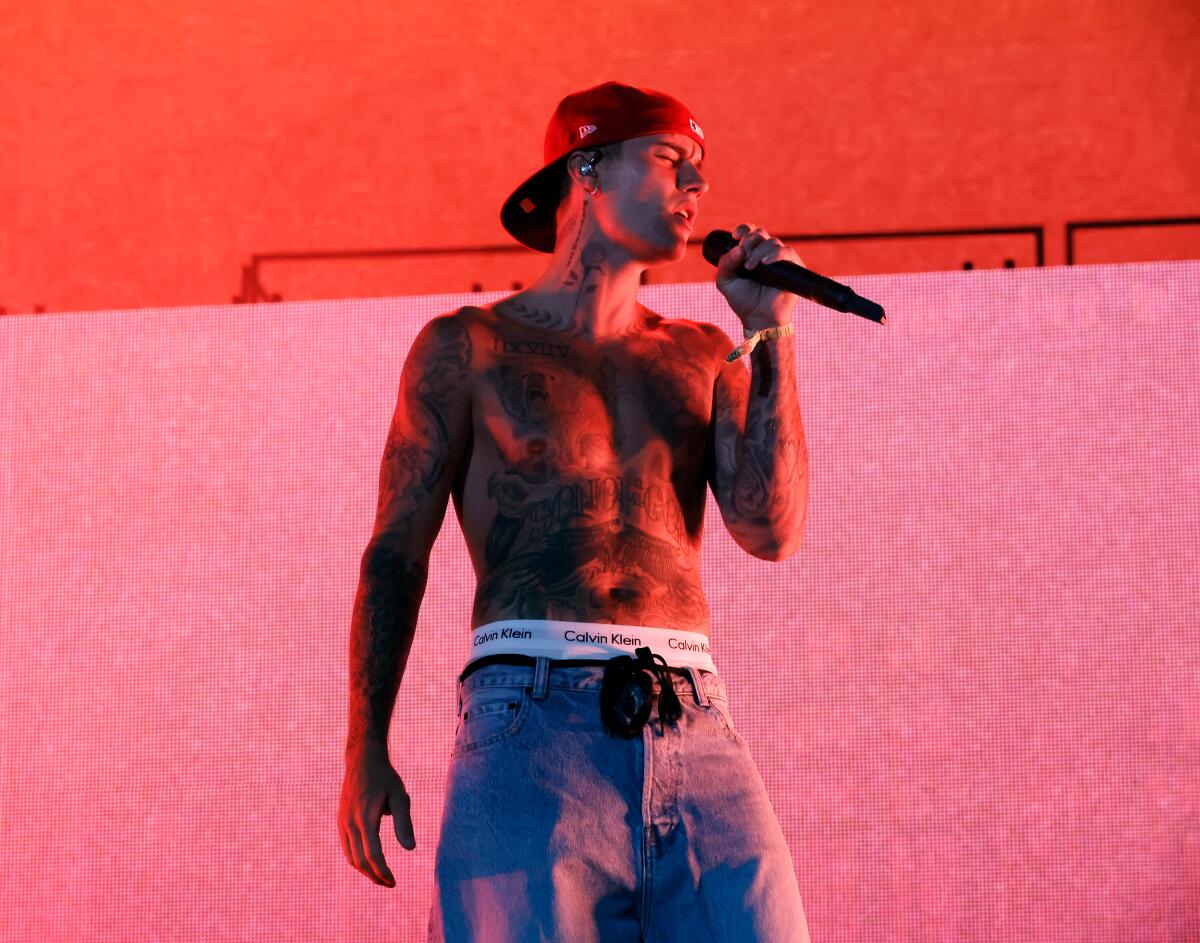
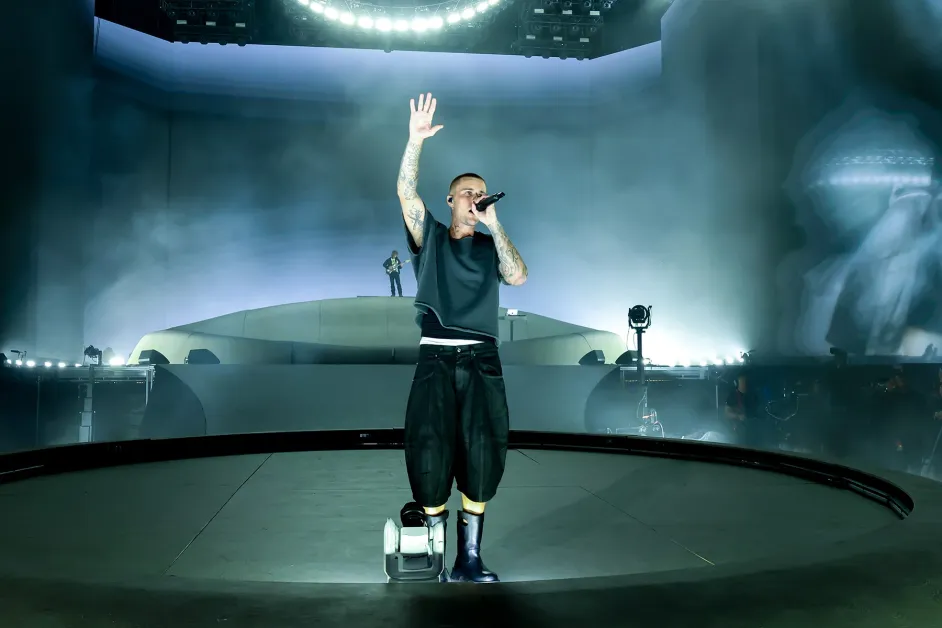
In our world today, a “moment” is like money. It’s a ten-second video clip that everyone shares until everyone has seen it. In the past, a Coachella headliner was judged by how well they sang for an hour. Now, they are judged by how “viral” they can go. Think about surprise guests. In the past, they were a fun treat. Now, they are the most important part of the weekend. When a big star brings out another famous friend, people don’t really talk about the music. They talk about the “shock factor.” These moments are made for phone screens. When something big happens, the crowd doesn’t dance as much anymore—they all reach for their phones to record it. People care more about showing they were there than actually enjoying the show.
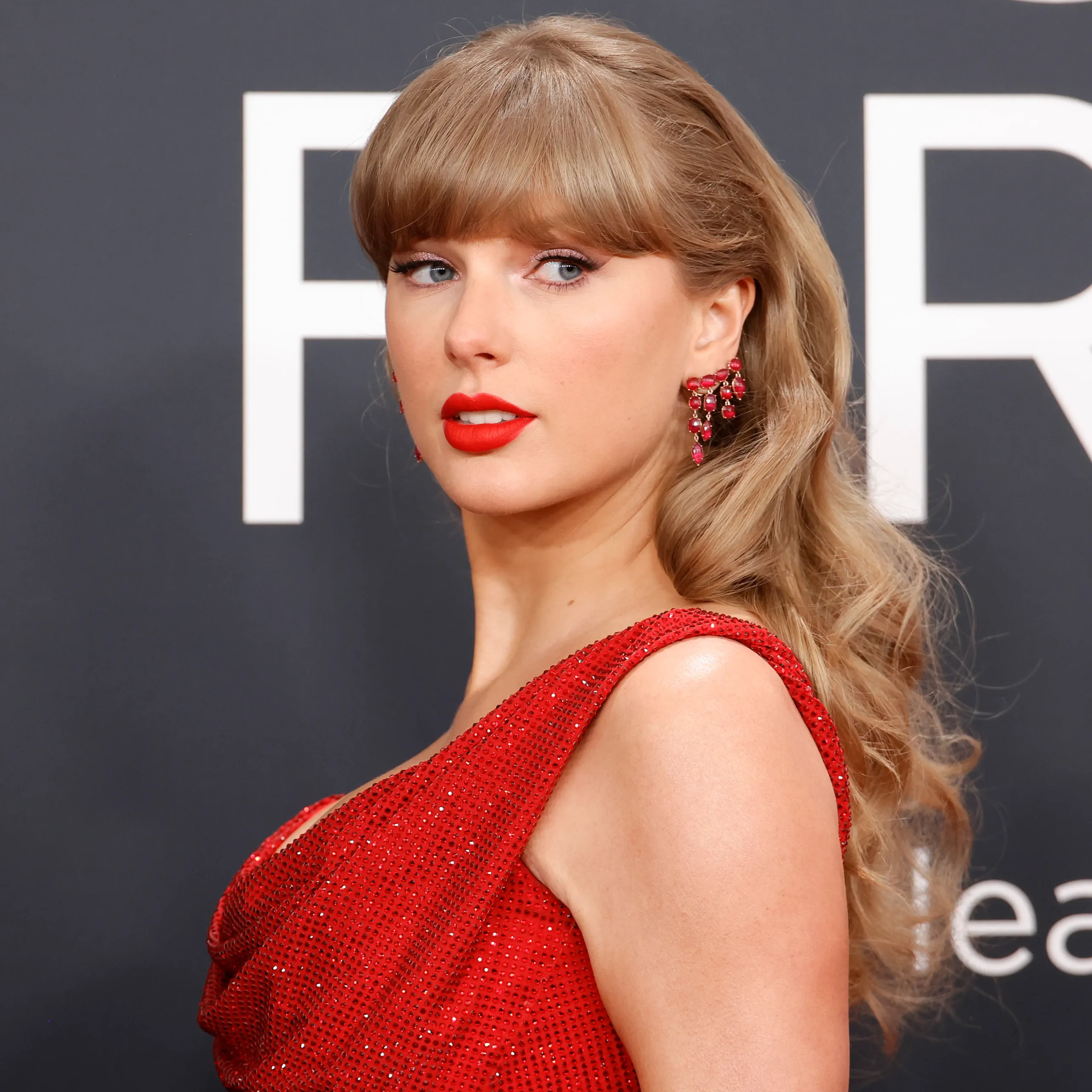
If music is the background noise, fashion is the main language of Coachella. For many people, the festival starts months early when they pick out their clothes. It’s not a concert; it’s a giant fashion show. In 2026, the outfits have changed. People aren’t wearing the old “flower crown” style as much. Now, it’s about high-end designer clothes mixed with vintage looks. Fashion dominates the internet because it’s easy to look at. A song takes three minutes to listen to, but a cool outfit takes one second to “like.” Big brands now throw huge parties at the festival that have nothing to do with music. They just want a place for pretty people to take photos. This has made the “real” Coachella feel like it’s happening in VIP lounges rather than on the actual stages.
The audience has also changed. They aren’t just watching anymore; they are performing. At Coachella, the crowd is part of the movie. You see people filming themselves crying to a song or checking if the people around them are “vibing” enough. This creates a weird feeling. If the crowd isn’t jumping around, the internet calls the show a “fail,” even if the music was great. People feel a lot of pressure to look like they are having the best time ever. This means they spend more time posing for the camera than actually listening to the band.
Why is this happening? It’s because we live in a world where “attention” is everything. Music is something you feel inside, but “culture” is something you show off to others. By making Coachella about outfits and famous moments, the festival stays famous even for people who never go to California. It has become a “content farm.” It provides the pictures and videos that the internet talks about for a month. This also explains why the music lineup is so global now. By inviting stars from all over the world, Coachella makes sure it has “moments” that people in every country will talk about.
In the old days, a Coachella headliner was a legend like Prince or Beyoncé. Their shows were amazing because the music was world-class. But now, the “Event” is bigger than the “Singer.” The Event is the guest stars, the stage lights, the celebrity sightings, and the drama on TikTok. Music has become the background track to the party. Even when old bands play, people mostly watch them for “nostalgia”—to feel young again for a photo—rather than to hear new art. If a singer has a small mistake, it’s not just a bad concert anymore; it’s a “viral fail.” The stakes are higher because millions of people are watching for mistakes on their phones.
This shift is also about money. Big companies don’t just want to support music; they want to sell a “lifestyle.” This lifestyle is sunny, rich, and looks good in pictures. That’s why you see car companies and makeup brands all over the festival. For influencers, Coachella is a job. They aren’t there to hear a guitar solo; they are there to get more followers and work with brands. This has rubbed off on everyone else. Even regular people feel like they have to act like professional photographers. When everyone is trying to be a creator, the act of just sitting back and listening to music starts to disappear.
Is this bad for music? Not totally. But it does change what kind of music gets popular. To do well at Coachella now, your music has to look good. It needs “catchy” parts that work well in short clips. It needs a stage show that looks great in a selfie. However, there is a risk. We might lose the “discovery” part of festivals. We used to go to find new bands. Now, we go to see the bands we already saw on our TikTok feed. This means smaller, more experimental artists might get left out because they aren’t “viral” enough. But on the other hand, Coachella can make a singer a global superstar in just one weekend if they have the right “moment.”
As we look ahead, this “internet-first” culture is only getting stronger. Other festivals are trying to copy Coachella by adding more photo spots and celebrities. But Coachella is still the king because it understands the modern world perfectly. It’s a mirror for a society that loves to be seen. We want to be part of the “cool group” and see big things happen live. Coachella gives us that stage.
In the end, Coachella is what we made it. We are the ones who stop dancing to take a video. We are the ones who check what the models are wearing. We are the ones who care more about the “vibe” than the vocals. NobelNews is right: it’s about culture now. It’s a big, dusty, beautiful show that represents life in 2026. Music might be the heart of the festival, but the “internet moment” is the soul. As long as we have phones and a desire to be famous, the desert will be the place where the digital world and the real world meet.