Megan Brown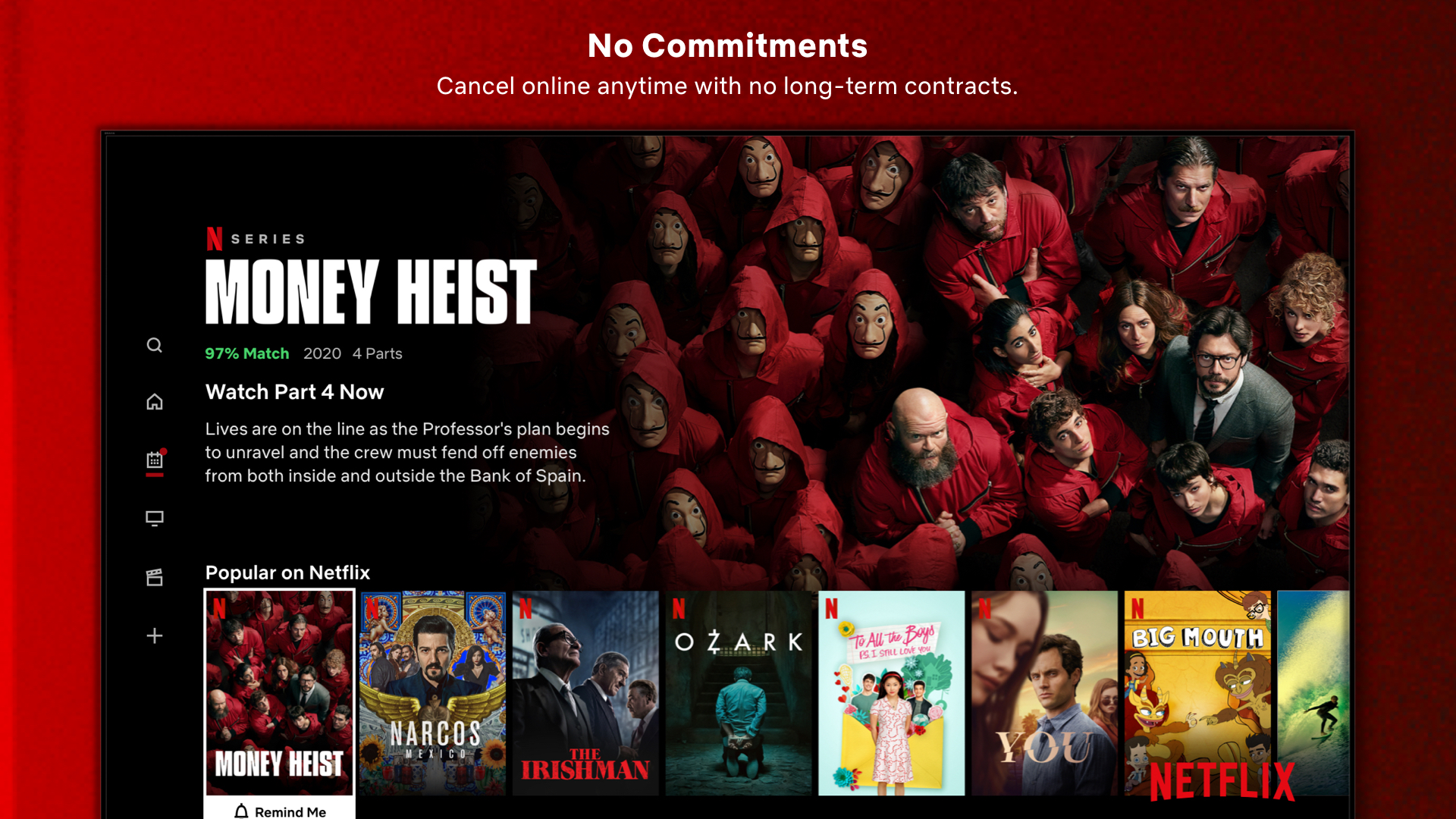
When Netflix announces a new series starring a global icon, or Amazon Prime Video secures exclusive rights to a documentary led by a chart-topping artist, it’s rarely just about the project itself. It’s about attention. It’s about competition. And increasingly, it’s about survival in a rapidly shifting entertainment landscape.
Hollywood is in the middle of a transformation—one where streaming platforms, declining traditional viewership, and changing audience habits have forced studios to rethink what gets made and why. At the center of this shift is a simple but powerful idea: celebrity sells, but more importantly, celebrity cuts through noise.
In a world flooded with content, recognition is everything.
There was a time when a strong script or a unique concept could carry a project to success. That still matters, but the rules have changed. Today, platforms are releasing thousands of hours of content every year. Movies, limited series, documentaries, reality shows—it’s an endless stream competing for the same finite resource: audience attention.
That’s where celebrities come in.
A recognizable name acts as a shortcut. It gives audiences a reason to click, even when they know nothing about the story. It creates instant headlines, built-in marketing, and social media buzz before a single trailer is released. In many ways, the celebrity is no longer just part of the project—they are the project.
This is why streaming platforms are aggressively pursuing partnerships with major figures across music, sports, and social media. Whether it’s a documentary, a scripted series, or a hybrid format that blurs the line between reality and storytelling, the goal is the same: leverage existing fanbases to guarantee engagement.
And those fanbases are massive.
Take someone like Bad Bunny. He isn’t just a musician—he’s a global brand with millions of followers across platforms, a loyal audience that spans continents, and a cultural influence that extends far beyond music. Any project attached to his name immediately becomes more than just content; it becomes an event.
That’s exactly what streaming platforms want.
It’s not just about viewership numbers—it’s about cultural impact. A celebrity-driven project has the potential to dominate social media, trend globally, and generate ongoing conversation. In an era where algorithms reward engagement, that kind of visibility is invaluable.
But this strategy didn’t emerge in a vacuum. It’s a direct response to how audiences have changed.
Viewers today are more fragmented than ever. They don’t all watch the same shows at the same time. They don’t rely on traditional schedules. Instead, they choose what to watch based on recommendations, trends, and personal interests. This fragmentation makes it harder for any single project to reach a broad audience.
Celebrities help bridge that gap.
They bring their own audiences with them, effectively consolidating attention that would otherwise be scattered. A fan of a musician might not normally watch a documentary, but if it features their favorite artist, they’ll tune in. A sports fan might not care about scripted drama, but if it stars a well-known athlete, they’ll give it a chance.
This crossover appeal is incredibly valuable.
It allows platforms to expand beyond traditional genre boundaries and attract viewers who might not otherwise engage with their content. In a competitive streaming environment, that kind of reach can make the difference between a hit and a miss.
There’s also a financial dimension to consider. Producing original content is expensive, and the stakes are high. A failed project doesn’t just disappear—it represents a significant loss of investment. Attaching a celebrity reduces that risk, at least in theory, by increasing the likelihood of initial viewership.
It’s not a guarantee of success, but it’s a safer bet.
That’s why we’re seeing more multi-million-dollar deals between streaming platforms and high-profile figures. These agreements often go beyond a single project, creating long-term partnerships that can generate multiple shows, films, or specials. The goal is to build a pipeline of content anchored by recognizable names.
But there’s another layer to this strategy: control over narrative.
Celebrities today are more than performers—they’re storytellers. Many are taking active roles as producers, creative directors, and collaborators. They’re not just lending their names to projects; they’re shaping them.
This shift reflects a broader change in Hollywood’s power dynamics. Traditionally, studios held most of the control, deciding what stories were told and how. Now, with the rise of streaming and the influence of social media, celebrities have more leverage than ever.
They can choose projects that align with their personal brand, their values, and their audience. They can bypass traditional gatekeepers and work directly with platforms willing to invest in their vision.
This is particularly significant for artists from underrepresented backgrounds.
For example, Bad Bunny’s rise has been closely tied to his willingness to embrace and elevate Latin culture on a global stage. A streaming project involving him wouldn’t just be entertainment—it would be a cultural statement. And platforms recognize the value of that authenticity.
Audiences are increasingly drawn to content that feels real, personal, and connected to the creator’s identity. Celebrity-driven projects often deliver that, because they come with built-in context. Fans already know the person behind the project, which creates a sense of familiarity and trust.
At the same time, this trend raises important questions about creativity and diversity in storytelling.
If platforms prioritize celebrity-driven projects, what happens to emerging voices? What happens to original ideas that don’t have a famous name attached? There’s a risk that the industry becomes overly reliant on established figures, potentially limiting opportunities for new talent.
It’s a tension that Hollywood is still navigating.
On one hand, celebrity projects drive engagement and revenue. On the other hand, innovation often comes from unexpected places. Balancing those two priorities is one of the biggest challenges facing the industry today.
Another factor shaping this trend is the global nature of streaming.
Platforms like Netflix and Amazon Prime Video aren’t just competing in the U.S.—they’re competing worldwide. This means they need content that resonates across different cultures and regions. Celebrities with international appeal are particularly valuable in this context.
Bad Bunny, for instance, has a global fanbase that spans multiple languages and markets. A project featuring him can attract viewers from Latin America, the U.S., Europe, and beyond. That kind of reach is difficult to achieve with traditional casting alone.
It’s not just about who is famous—it’s about where they are famous.
This global perspective is reshaping casting decisions, production strategies, and even storytelling approaches. Projects are increasingly designed with international audiences in mind, and celebrity involvement is a key part of that equation.
There’s also the role of social media to consider.
Celebrities bring more than just recognition—they bring platforms. When a major figure promotes a project, it reaches millions of followers instantly. That kind of built-in marketing is incredibly powerful, especially in an environment where traditional advertising is becoming less effective.
A single post can generate more engagement than an entire marketing campaign.
This changes how projects are launched and promoted. Instead of relying solely on trailers and press tours, platforms can leverage the personal channels of their talent. The line between marketing and content becomes blurred, with celebrities acting as both creators and promoters.
And when those celebrities are already trending—whether due to a performance, a controversy, or a viral moment—the impact is even greater.
Timing becomes everything.
A celebrity who is already dominating the conversation can bring that momentum into a new project, amplifying its visibility from day one. This creates a feedback loop where media coverage, social media trends, and streaming content all reinforce each other.
It’s a system built on attention.
Hollywood has always been about attention in one form or another, but the mechanisms have evolved. What used to depend on box office numbers and television ratings now depends on clicks, streams, shares, and trends.
In that environment, celebrity-driven projects make sense.
They offer a way to cut through the noise, to capture interest quickly, and to sustain engagement over time. They align with how audiences discover and consume content today. And they provide a level of predictability in an otherwise unpredictable industry.
But they’re not a silver bullet.
A well-known name can get people to watch, but it can’t guarantee that they’ll stay. Ultimately, the quality of the content still matters. Audiences may click because of a celebrity, but they’ll only keep watching if the story holds their attention.
That’s the balance Hollywood is trying to strike.
Use celebrity to draw audiences in, but rely on storytelling to keep them there.
As streaming continues to evolve, it’s likely that celebrity-driven projects will remain a central part of the strategy. They’re too effective, too reliable, and too aligned with current viewing habits to disappear anytime soon.
But the way they’re used may continue to change.
We may see more collaborations between celebrities and emerging creators, more hybrid formats that blend genres, and more projects that prioritize authenticity over spectacle. The definition of “celebrity” itself may expand, incorporating influencers, digital creators, and figures who rose to prominence outside traditional entertainment channels.
One thing is clear: the relationship between fame and content is becoming more intertwined.
And in a landscape where attention is the most valuable currency, Hollywood is betting that the right name can still make all the difference.