Megan Brown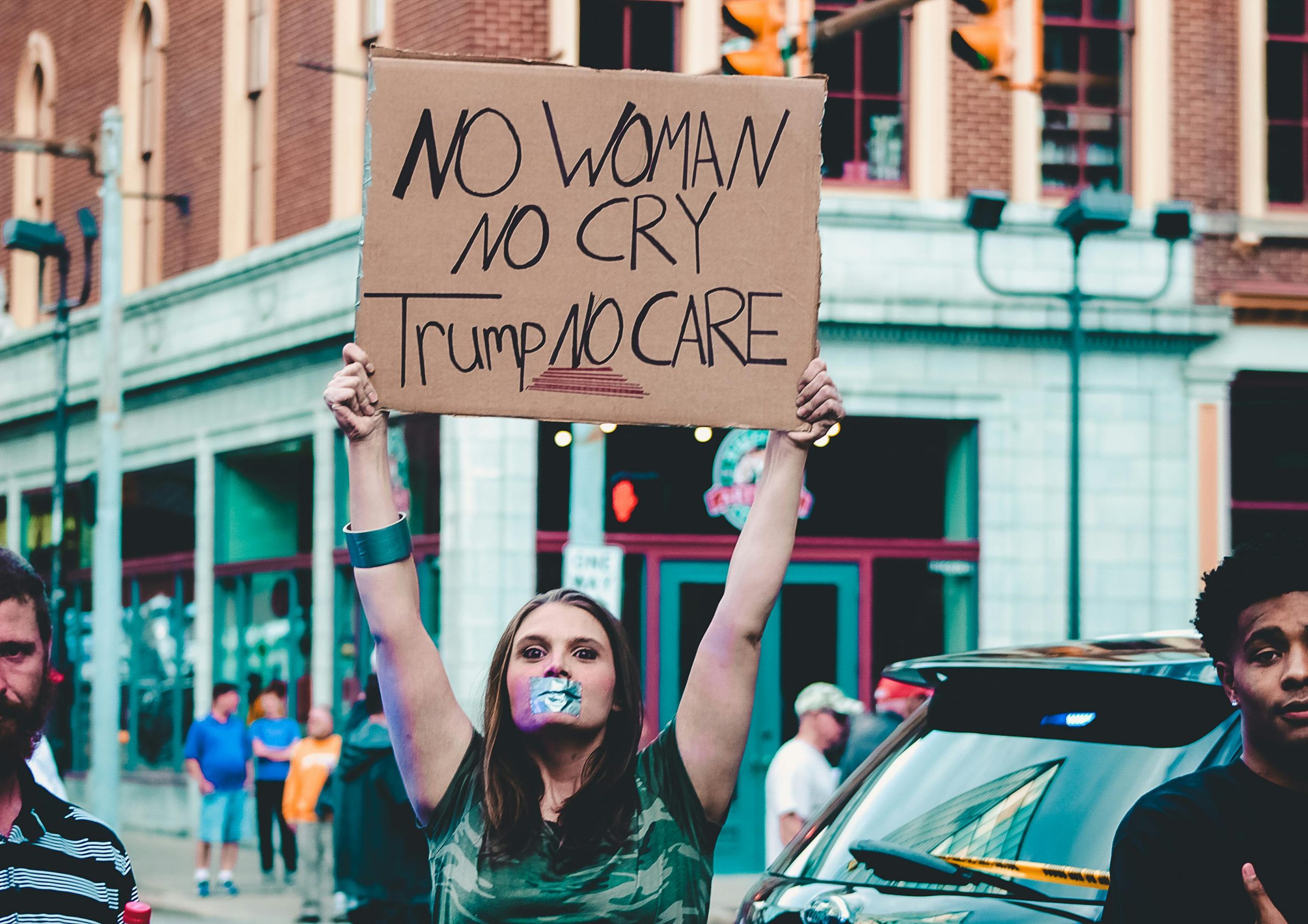
Donald Trump’s tenure as the 45th President of the United States was one of the most contentious and polarizing periods in recent American history. While his supporters praise him for shaking up the political establishment and prioritizing America’s interests, many critics argue that his presidency was marked by significant failures—both in policy and leadership—that had lasting negative consequences. Examining these failures offers insight into why his time in office remains deeply divisive and contentious.
One of the most glaring failures of the Trump administration was its handling of the COVID-19 pandemic. The global health crisis that began in early 2020 exposed serious weaknesses in government response. Critics argue that Trump’s downplaying of the virus, mixed messaging about public health guidelines, and inconsistent support for scientific agencies undermined efforts to control the spread. Delays in mobilizing resources, politicization of mask-wearing, and dismissal of expert advice contributed to the United States experiencing one of the highest infection and death rates globally. This failure cost countless lives and damaged public trust in government institutions.
Economically, while the Trump administration initially presided over a strong stock market and low unemployment before the pandemic, critics say many of his policies disproportionately benefited the wealthy and corporations. The 2017 Tax Cuts and Jobs Act, a signature legislative achievement, was criticized for increasing the national deficit and providing limited long-term relief to middle- and lower-income Americans. The administration’s trade wars, particularly with China, introduced uncertainty and disruption that negatively impacted some industries and farmers. The economic downturn triggered by the pandemic further highlighted vulnerabilities in social safety nets and income inequality.
Another major failure involved immigration policy. Trump’s hardline stance led to highly controversial measures such as family separations at the border, travel bans targeting predominantly Muslim countries, and aggressive immigration enforcement. These policies drew widespread condemnation for their humanitarian impact and legal challenges. The administration struggled to present a coherent immigration strategy, leading to chaotic and often inhumane conditions for migrants. This approach also strained diplomatic relations with neighboring countries and complicated broader immigration reform efforts.
Trump’s presidency also faced significant challenges in upholding democratic norms and institutions. His repeated attacks on the media as “fake news,” efforts to undermine the credibility of the judiciary, and persistent claims of widespread election fraud eroded public confidence in foundational democratic processes. The culmination of these tensions was the January 6, 2021 Capitol riot, when supporters stormed the U.S. Capitol in an unprecedented attack on the peaceful transfer of power. Many view Trump’s rhetoric and refusal to immediately condemn the violence as a grave failure of leadership.
Foreign policy under Trump was marked by unpredictability and controversy. While some applaud his efforts to renegotiate trade deals and engage directly with North Korea, critics argue that his “America First” approach alienated traditional allies and weakened multilateral institutions. His withdrawal from the Paris Climate Agreement and the Iran nuclear deal signaled a retreat from global leadership on critical issues. These actions raised concerns about America’s long-term strategic position and the ability to address global challenges cooperatively.
Additionally, Trump’s governance style often bred division rather than unity. His confrontational communication, frequent use of social media for unfiltered and sometimes inflammatory statements, and dismissal of dissenting voices deepened political polarization. This fracturing of national discourse made bipartisan cooperation difficult, hindering legislative progress on key issues.
In summary, Donald Trump’s presidency was characterized by a series of failures that impacted public health, the economy, immigration, democratic institutions, foreign policy, and social cohesion. While his supporters argue that he challenged the status quo and gave voice to neglected populations, these failures reveal significant consequences that have shaped the current political and social landscape.
Understanding these shortcomings is crucial for evaluating the legacy of his administration and the challenges facing American democracy today. It also underscores the importance of leadership that prioritizes truth, unity, and effective governance in addressing the complex problems of the 21st century.