Megan Brown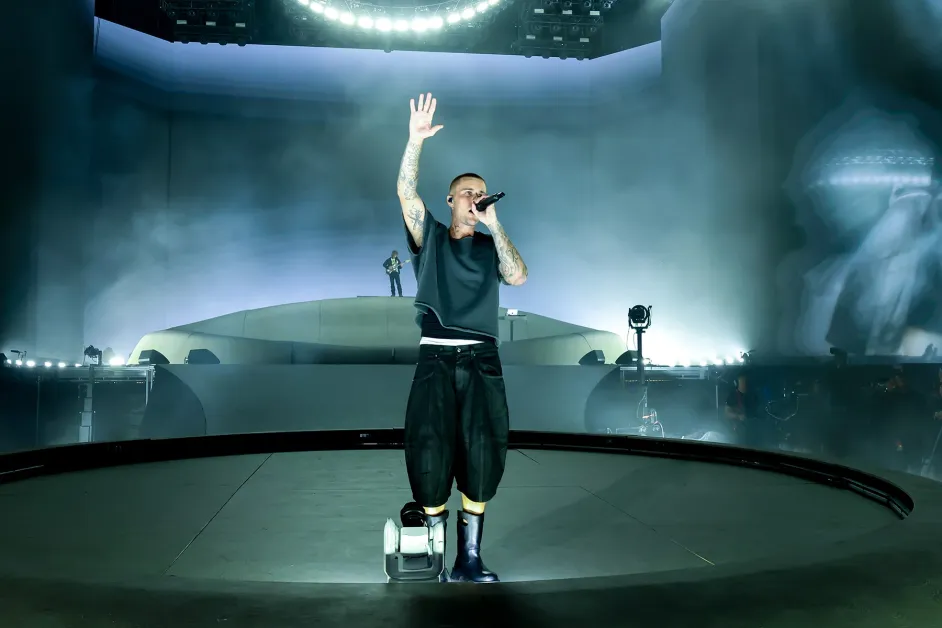
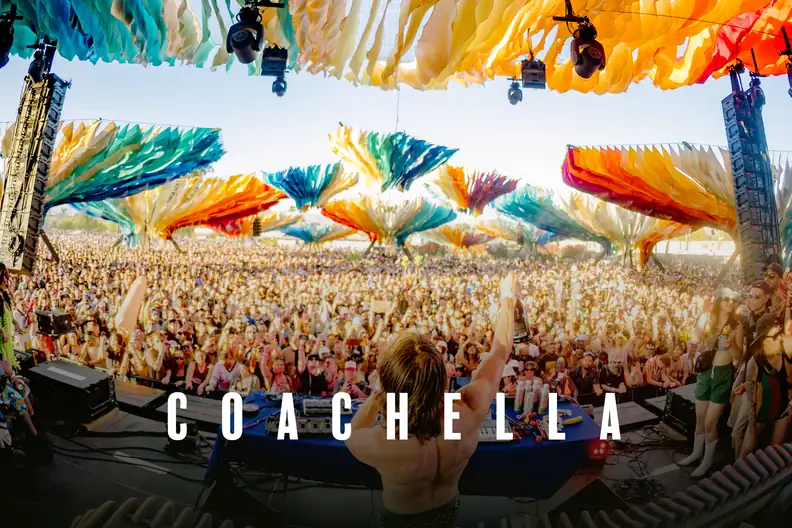
The stages at Coachella 2026 are grand, but the spreadsheets behind the scenes are even bigger. This year, the festival has officially cemented its status as a billion-dollar marketing machine. We aren’t just talking about ticket sales and $15 spicy pies; we are talking about a global economic engine that dictates what people buy for the rest of the year. From limited-edition fashion drops to “stealth” product placements, Coachella has mastered the art of turning attention into immediate action.
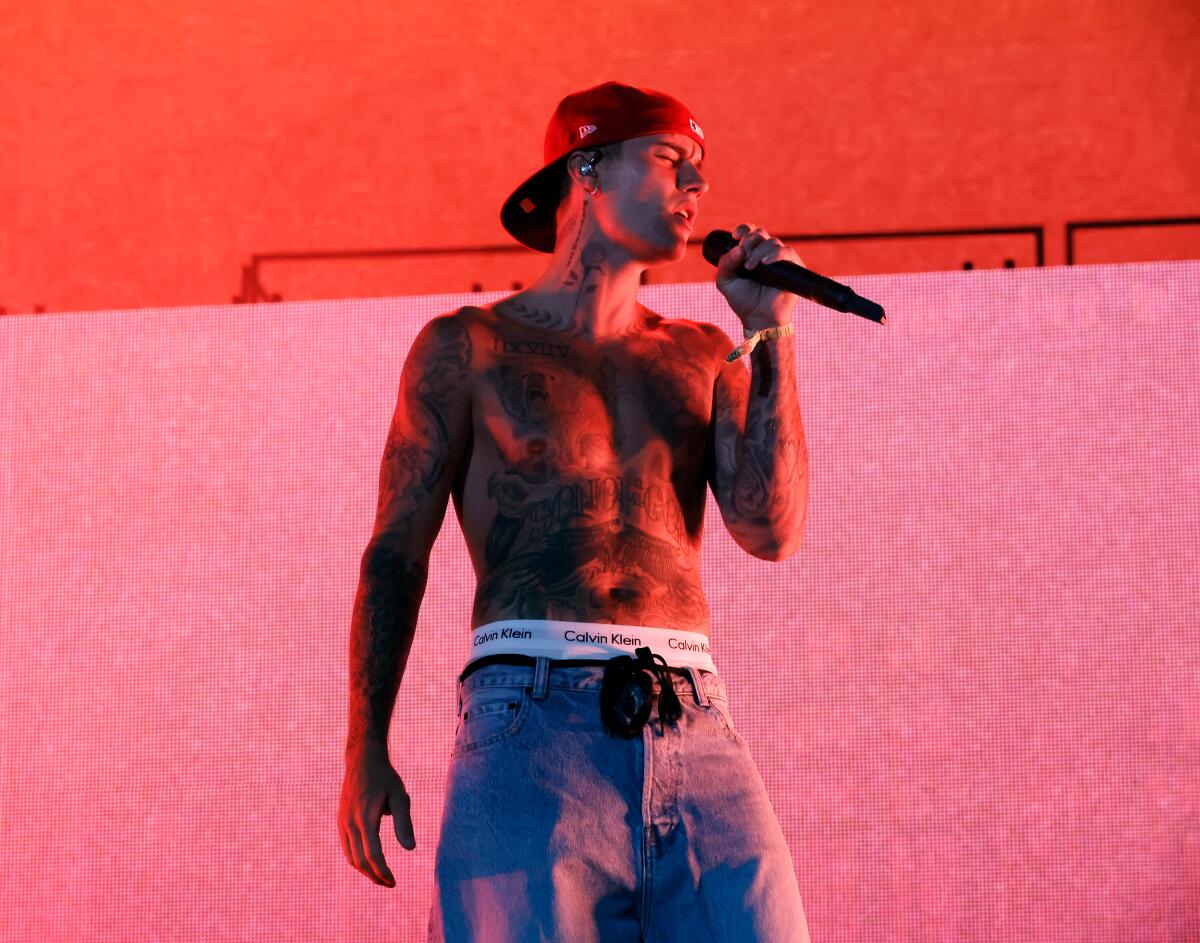
The most powerful example of this in 2026 is the “Full-Funnel Festival” strategy. Take Justin Bieber’s headline set: it wasn’t just a comeback performance; it was a high-stakes retail launch. His brand, Skylrk, dropped a “Bieberchella” capsule collection—featuring those now-viral oversized Zebra hoodies—the moment he stepped off stage. By syncing the peak of global attention with an immediate “Shop Now” button, the brand bypassed months of traditional advertising. When a superstar wears a product in front of millions of viewers, it doesn’t just build “awareness”—it creates an urgent, scarcity-driven demand that results in a sell-out within minutes.
But it’s not just the headliners making money. In 2026, the data shows that influencer placements are outperforming traditional TV ads by a landslide. Brands are no longer buying billboards; they are buying the “lifestyle” of the creators in the front row. Whether it’s a specific shade of lip oil used in an “undone glam” GRWM video or a functional tech accessory like a branded portable charger, the visibility at Coachella converts directly into browser tabs being opened worldwide. For the millions of people watching “Couchella” at home, these products aren’t seen as advertisements—they are seen as essential parts of the cultural moment.
The economic impact also extends to the “Service as Marketing” model. This year, brands like Wavytalk and Aperol won by providing value. By offering free “festival-ready” hairstyling or creating an “orange-hued oasis” for rest, these brands aren’t just shouting their names; they are becoming a helpful part of the attendee’s story. This creates a high level of brand trust that leads to long-term loyalty. When a brand helps you fix your hair or provides a shaded place to recharge your phone, you don’t just remember their logo—you remember their utility.
Why is this machine worth a billion dollars? Because Coachella has a unique “earned media” value that no other event can match. During the 2026 festival weekends, total potential digital impressions reached a staggering 5.4 billion. This isn’t just noise; it’s a targeted, high-intent audience that is ready to spend. The “Coachella Effect” means that a product seen in the desert on Friday can become a global trend by Monday.
As the sun sets on Coachella 2026, the message to the business world is clear: the desert is the ultimate laboratory for the future of commerce. It’s a place where the line between “content” and “commerce” has completely disappeared. In this billion-dollar machine, the performance on stage is just the spark—the real fire is the global retail surge that follows every viral “moment.” Coachella didn’t just rewrite the rules of music festivals; it rewritten the rules of how we buy things in the digital age.