Megan Brown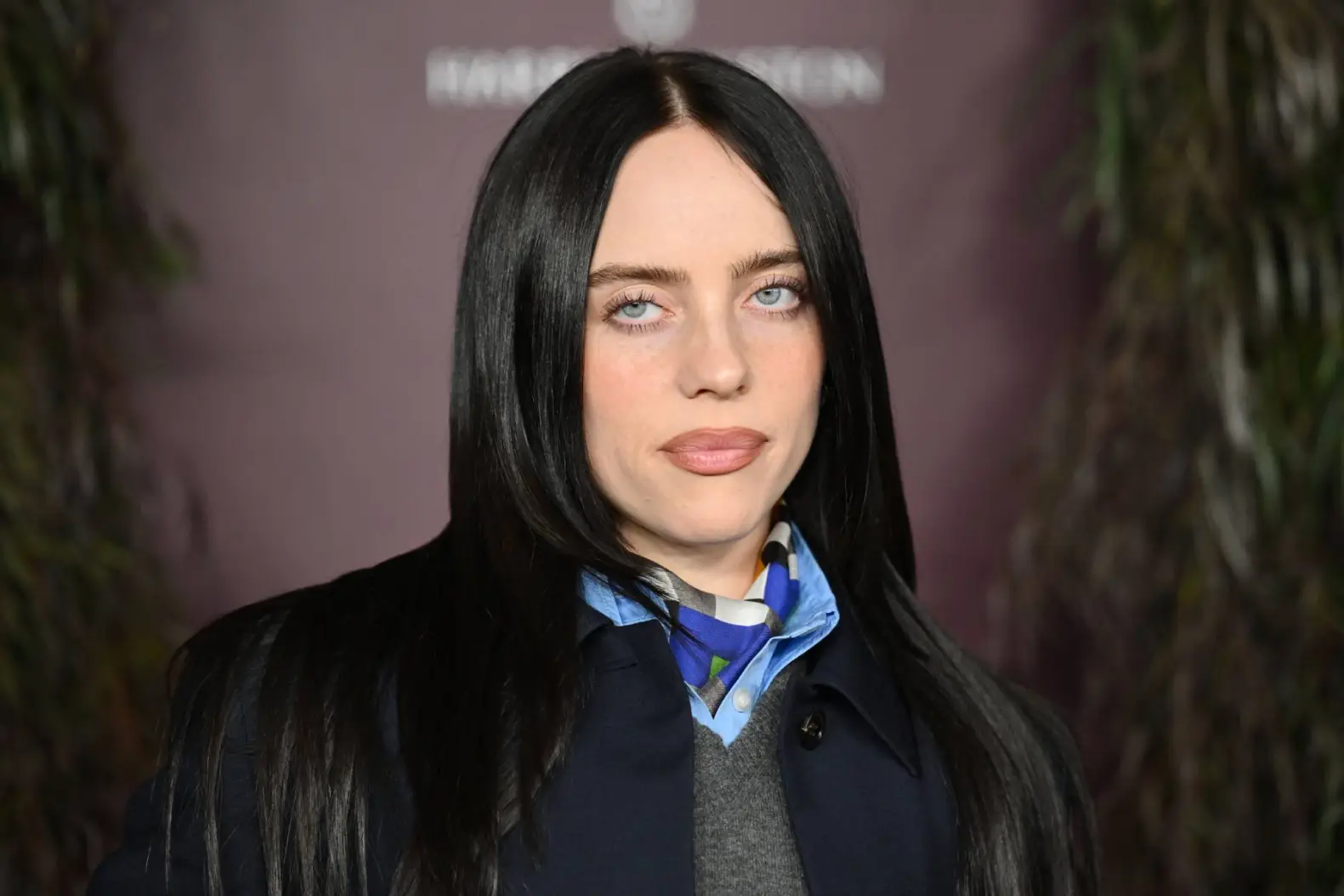
In an industry that often rewards constant reinvention, Billie Eilish is proving that consistency can be just as powerful—if not more. While many artists cycle through eras, aesthetics, and personas to stay relevant, Billie’s dominance in 2026 comes from doing the opposite. She hasn’t dramatically changed who she is; she’s refined it. And in a cultural landscape defined by noise and rapid shifts, that clarity of identity stands out.
What makes her approach effective is subtlety. Instead of chasing trends or reacting to the moment, Billie builds on a core identity that audiences already recognize and trust. Her sound evolves, but it doesn’t abandon its foundation. Her visuals shift slightly, but they remain unmistakably hers. This creates a sense of continuity that feels stable in a world where everything else moves quickly. Listeners know what emotional space her music occupies—and they return to it not because it’s new, but because it’s reliably hers.
Consistency, in this sense, becomes a strategy. Algorithms reward repeat engagement, and audiences gravitate toward familiarity when overwhelmed with options. Billie’s work fits seamlessly into both dynamics. Her music doesn’t rely on sudden viral spikes; it maintains steady relevance because it continues to resonate over time. Each release reinforces her identity rather than replacing it, building a deeper connection with her audience instead of resetting it.
There’s also a cultural appetite for authenticity that works in her favor. Audiences are increasingly skeptical of dramatic rebrands and rapid shifts that feel manufactured. Billie’s steady presence feels grounded. It suggests control, intention, and self-awareness—qualities that are becoming more valuable than shock value or constant novelty. In a sense, not changing becomes a form of differentiation.
Her visual and stylistic choices follow the same logic. Rather than chasing every aesthetic trend, she maintains a cohesive look that evolves gradually. This makes her instantly recognizable across platforms, whether in a music video, a live performance, or a short-form clip. That recognizability strengthens her brand without requiring constant reinvention.
The impact extends beyond music. Billie’s approach influences how other artists and creators think about longevity. Instead of viewing reinvention as mandatory, more are considering the value of deepening an existing identity. It’s a slower, more deliberate path, but one that can create stronger audience loyalty and more sustainable relevance.
In a digital environment where attention cycles are short and trends fade quickly, Billie Eilish’s strategy offers an alternative model. She doesn’t compete for attention by changing constantly—she holds it by staying consistent. Her identity becomes an anchor, something audiences can return to amid constant change.
Ultimately, her success highlights a broader shift in what it means to stay relevant. In 2026, winning doesn’t always require transformation. Sometimes, it requires clarity, restraint, and the confidence to build on what already works. Billie Eilish isn’t dominating because she changes—she’s dominating because she doesn’t need to.