Megan Brown
For decades, Hollywood success was built around a carefully controlled image. Celebrities were often presented as flawless, mysterious, and larger-than-life figures. Public appearances were carefully planned, interviews were strategically managed, and every detail—from fashion choices to personal statements—was considered part of a larger brand.
Today, audiences are looking for something different.
The entertainment industry is experiencing a major cultural shift where personality, honesty, and relatability are becoming just as valuable as talent and appearance. Fans are no longer only interested in perfect performances or polished public images. They want to understand the people behind the entertainment.
Authenticity has become one of Hollywood’s most powerful currencies.
This change reflects a broader transformation in how audiences connect with celebrities. In the past, distance and mystery often created fame. Today, connection and accessibility often create loyalty.
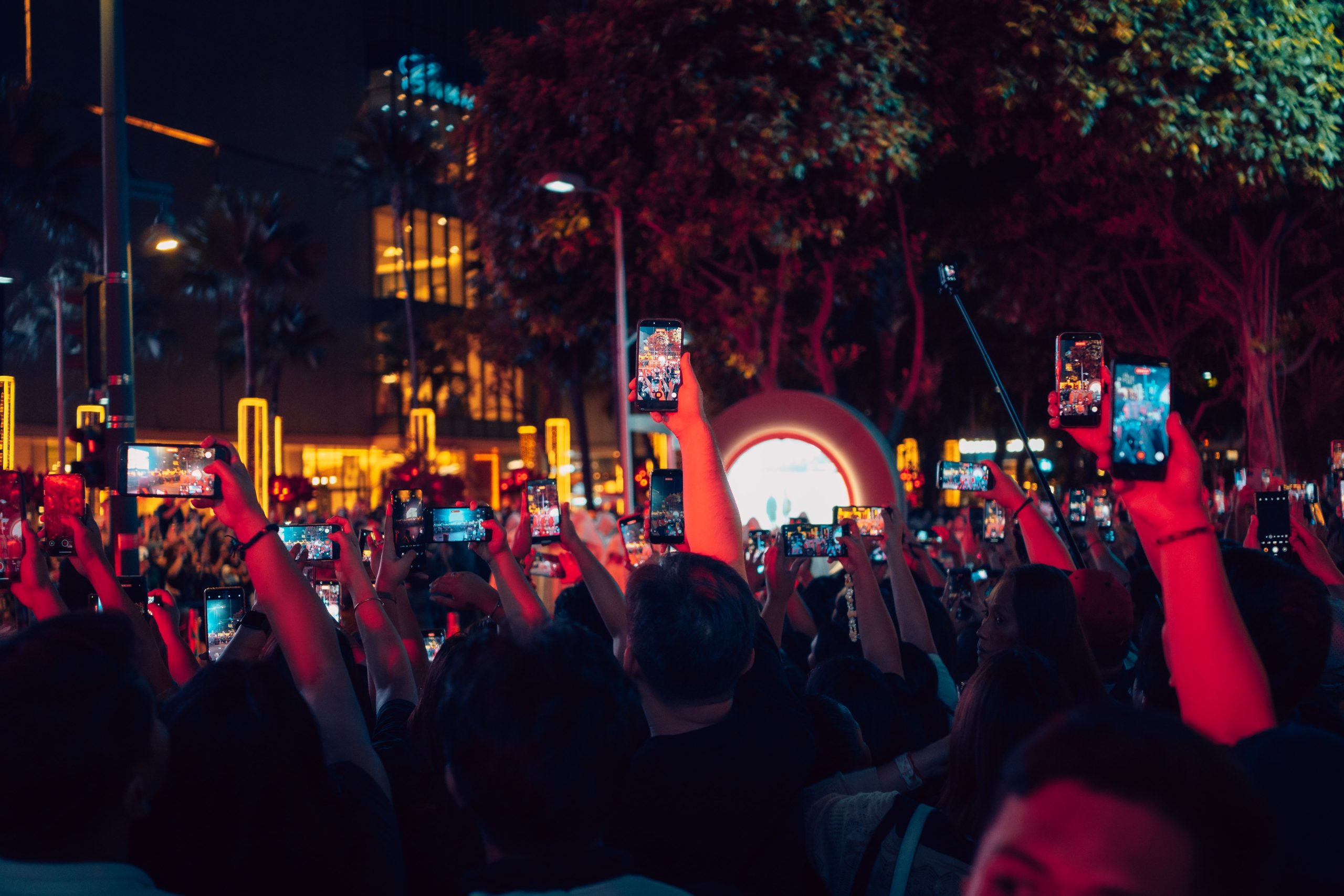
Social media has played a major role in this evolution. Platforms allow celebrities to communicate directly with audiences, sharing personal moments, opinions, behind-the-scenes experiences, and everyday interactions. This has created a closer relationship between public figures and their fans.
However, this increased access has also changed expectations. Audiences can quickly recognize when something feels overly manufactured. A carefully constructed image may attract attention, but genuine moments often create stronger emotional connections.
One reason authenticity has become so valuable is that audiences increasingly want relatability. People are drawn to celebrities who share struggles, personal growth, humor, and experiences that feel human.
A successful celebrity brand today is not built only on achievements. It is also built on personality.
This does not mean celebrities must reveal every part of their lives. Many stars are finding a balance between maintaining privacy and showing enough personality to create meaningful connections with audiences.
The most effective personal brands often come from consistency. When a celebrity’s public image matches their real interests, values, and communication style, audiences are more likely to develop trust.
This trust has become especially important in the creator economy, where influencers, digital personalities, and entertainers compete for attention. Audiences have more choices than ever, making genuine connection a major advantage.
Entertainment companies have also recognized this shift. Marketing strategies increasingly focus on personality-driven storytelling rather than only promoting projects. A film, series, or album may gain additional attention because of the creator or performer’s personal connection with fans.
Behind-the-scenes content has become especially popular because it gives audiences a glimpse into the creative process. Viewers enjoy seeing rehearsals, production moments, personal reflections, and interactions that reveal the people behind their favorite entertainment.
This desire for authenticity has changed celebrity interviews as well. Traditional promotional interviews often focused on accomplishments and upcoming projects. Today, audiences are often more interested in personal stories, opinions, humor, and unexpected conversations.
Moments that feel spontaneous frequently become more memorable than carefully prepared statements. A genuine reaction, funny comment, or emotional story can spread widely because it feels real.
The rise of authenticity has also influenced celebrity partnerships and brand collaborations. Consumers increasingly want to know whether a celebrity genuinely believes in a product or cause. Partnerships that feel natural tend to create stronger engagement than promotions that appear purely transactional.
This is especially important among younger audiences, who often value transparency, personal values, and meaningful connections when deciding which people and brands to support.
Celebrities who understand this shift are building careers that extend beyond traditional entertainment. They are becoming entrepreneurs, creators, and community leaders by developing relationships with audiences based on trust.
Figures such as Emma Chamberlain have demonstrated how personality-driven storytelling can create powerful influence. Her success highlights how authenticity and relatability can become central parts of a modern entertainment career.
However, authenticity does not mean sharing everything publicly. The most successful celebrities often understand that being genuine also requires boundaries. Maintaining personal privacy while offering meaningful connection has become an important skill.
The challenge for Hollywood is finding the balance between polished professionalism and genuine human expression. Audiences still appreciate talent, creativity, and excellence—but they also want to feel connected to the people creating the entertainment they enjoy.
This shift has changed the definition of celebrity influence. Fame alone is no longer enough. Long-term success increasingly depends on trust, personality, and the ability to build a community.
In an industry where trends change quickly, authenticity provides something more durable. It creates relationships that extend beyond a single project, performance, or moment.
Hollywood has always been built on storytelling. Today, audiences are becoming just as interested in the story behind the star as the stories they tell on screen.
The future of entertainment may not belong to those who appear perfect. It may belong to those who feel real.
References
- Pew Research Center – Social Media, Celebrity Culture, and Audience Behavior Research
- Deloitte – Digital Media Trends and Consumer Entertainment Research
- The Hollywood Reporter – Celebrity Culture and Entertainment Industry Coverage
- Variety – Entertainment, Media, and Audience Trends Analysis
- Harvard Business Review – Personal Branding and Consumer Trust Research
- Nielsen – Media Consumption and Audience Engagement Insights