Megan Brown
The Emmys are over, the trophies have been handed out, the speeches have made their way across social media and Hollywood has already moved on to its next conversation. That is the nature of entertainment in 2026: there is barely enough time to celebrate one major event before another wave of shows, movies, premieres, celebrity appearances and awards-season contenders arrives. As the calendar moves into the final days of September, the post-Emmys conversation is shifting away from simply discussing who won and toward a much bigger question: which shows, stars, movies and franchises are going to keep audiences talking through the final months of the year?
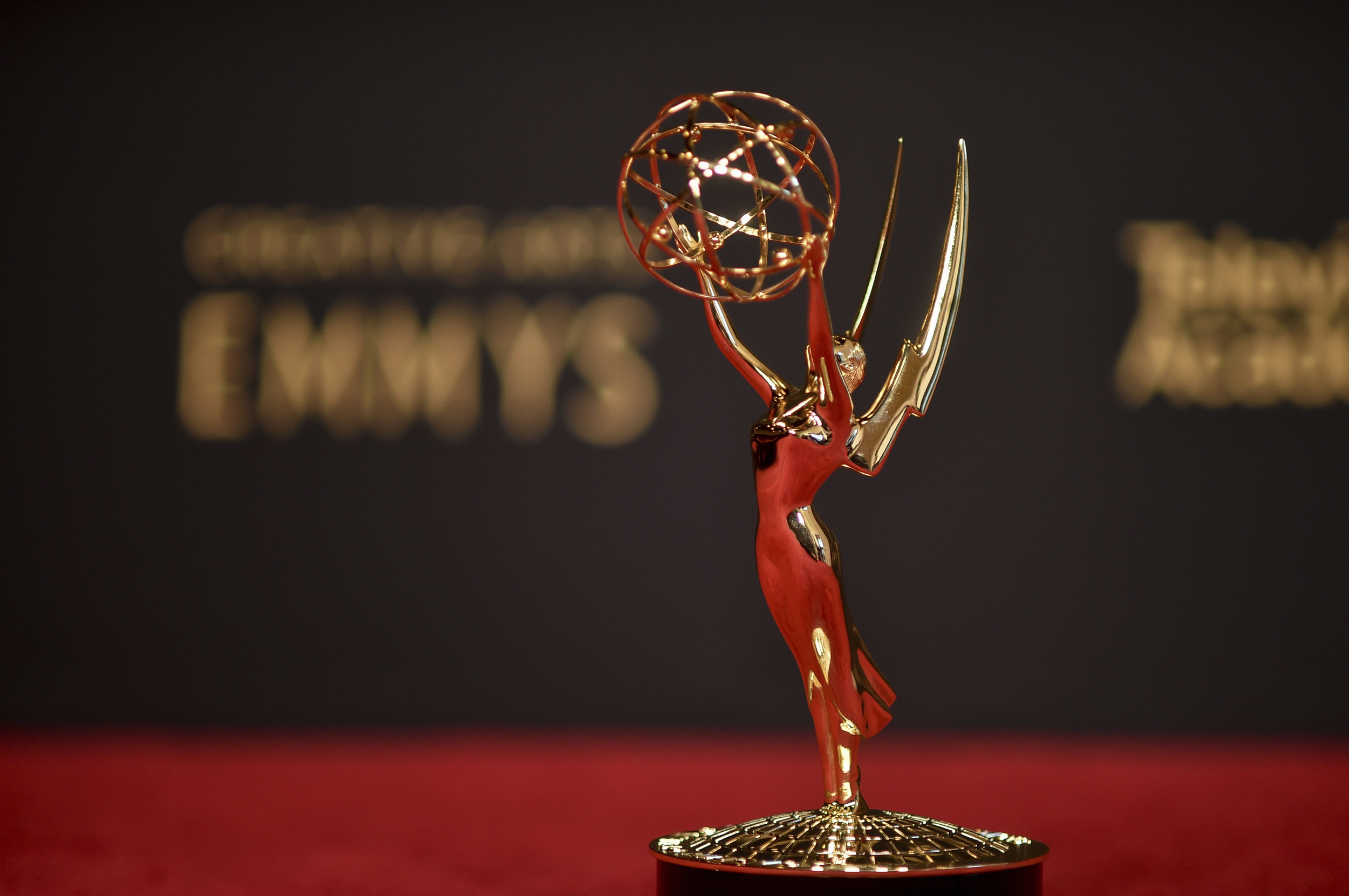
The timing could hardly be more appropriate. The 78th Emmy Awards concluded on September 14 after ceremonies spread across September 5, 6 and 14, recognizing television from the 2025–2026 season. Widow’s Bay had a major night, winning six awards during the televised ceremony and taking Outstanding Comedy Series, while HBO Max’s The Pitt won Outstanding Drama Series and Apple TV’s Pluribus also collected two awards. The Traitors won its third consecutive Outstanding Reality Competition Program Emmy, while The Late Show with Stephen Colbert won Outstanding Variety Series for a second consecutive year.
But an awards ceremony is ultimately a snapshot. It tells audiences what television accomplished during the previous season, while the entertainment industry immediately begins asking what comes next. This week, that next chapter is already visible. Fall television is moving into a much busier stretch, streaming platforms are releasing new titles, broadcast networks are introducing returning favorites and new series, and the movie industry is continuing to build momentum toward the major releases still ahead in 2026. CBS News described the current period as the “new season” for fall 2026, with new entertainment arriving across television, movies, music and other parts of popular culture.
That makes the last week of September a particularly important transition point for Hollywood. The Emmys have closed one chapter, but the fall entertainment season is opening another. Instead of asking which series deserved a trophy, viewers are once again asking the much more immediate question: What are we watching next?
The answer is becoming increasingly complicated because television no longer has one single starting point. The traditional fall television season still matters, but streaming has transformed the way audiences discover and consume entertainment. Broadcast networks can launch a new series on a Monday night, while a streaming platform can release an entire season or a major new film at the same time. Social media can then turn a single scene, performance or celebrity appearance into a viral conversation before many viewers have even watched the full project.
This week demonstrates how crowded that entertainment ecosystem has become. TVLine’s September 27 weekly viewing guide includes more than 50 premieres, finales and other notable television events across broadcast, cable and streaming. That means audiences are not waiting for one giant fall premiere to define the season. The competition for attention is happening every night.
Broadcast television is also continuing to build its fall schedule. On September 28, Line of Fire returns for its second episode after premiering earlier this month, while the coming days bring additional premieres and returning shows. ABC has Scrubs returning for its second season on September 30, alongside Shark Tank, while CBS launches The Amazing Race season 39 that same night. October then brings additional returns, including NCIS, NCIS: New York, NCIS: Origins, Chicago Med, Abbott Elementary, Chicago Fire and Chicago P.D.
Those titles illustrate something important about the current entertainment business: familiarity still matters. Even in an era obsessed with discovering the next big streaming sensation, established franchises continue to give networks and platforms something extremely valuable — an audience that already knows the characters, format and world.
That is why Hollywood’s next phase will not be built entirely around brand-new ideas. Existing franchises will continue to compete alongside original series. Returning shows will try to maintain their audiences while new programs attempt to build them. Established actors will appear in new projects while rising performers look for the role that turns them into the next major name.
The same dynamic is visible in streaming.
Netflix’s current September 28–October 7 release schedule includes Demon Slayer: Kimetsu no Yaiba – The Movie: Infinity Castle, LEGO ONE PIECE, Murder in a Small Town, several NCIS seasons and the full Bourne movie collection, among other titles. Meanwhile, other platforms are filling the same week with their own new movies and series, creating an entertainment calendar where audiences have an almost constant supply of choices.
That abundance changes what “momentum” means for Hollywood.
A show does not necessarily need to dominate television for an entire week anymore. It can build attention gradually. A clip can go viral. A character can become a meme. A performance can attract critical attention. A finale can cause people to discover the entire season after the fact. A movie can generate social media interest before its theatrical release and then find a second audience once it becomes available at home.
Entertainment has become much more fluid.
That is also why the post-Emmys period is not really an ending. It is a handoff. The shows that won awards are still part of the conversation, but they are now competing with everything arriving after them.
For The Pitt, Widow’s Bay and Pluribus, the Emmy wins provide another layer of cultural visibility. The awards can encourage viewers who have not watched the shows to check them out, while existing fans now have new reasons to talk about them. But the television industry is already presenting audiences with another group of shows demanding their attention.
That creates a fascinating cycle.
A successful show wins an award. The award generates attention. The attention brings new viewers. Those viewers discover the series. Meanwhile, another show premieres and begins its own campaign for attention. By the time audiences have finished discussing one Emmy winner, they may already be debating the next breakout series.
This is why the final months of 2026 could become less about individual Emmy winners and more about the overall entertainment landscape.
The next big television conversation may come from a series that was not even part of the Emmy conversation. It may come from a returning franchise. It may come from a streaming series that unexpectedly becomes a cultural phenomenon. It may even come from a show that starts quietly and grows through word of mouth.
The unpredictability is part of what makes this period so interesting.
There is also another conversation developing in the background: the next awards season.
The Emmys belong to television, but Hollywood’s broader awards calendar continues moving forward. The upcoming season includes the Golden Globes, Grammys, Oscars and numerous guild awards, meaning the entertainment industry is already shifting from celebrating the television year that just ended to evaluating the films, performances and projects that could dominate the next awards cycle. Deadline’s updated 2026–27 awards calendar tracks the continuing schedule across the major ceremonies and guild events.
That means the stars who were everywhere during Emmy season will soon share the spotlight with another group of actors, directors and musicians.
Film festivals have already started that process. Venice, Telluride and Toronto have provided early showcases for movies and performances that could become part of the awards conversation later in the year. At the same time, major theatrical releases still have the opportunity to change the conversation completely.
The fall movie season therefore becomes another source of Hollywood momentum.
It is also where franchises become especially important. Studios continue to rely on recognizable intellectual property because audiences already understand the basic premise. The challenge is making the newest installment feel important enough to justify another trip to the theater or another night of streaming.
That is particularly relevant as Hollywood enters a period where major entertainment brands continue competing for attention across multiple platforms.
The industry is not only competing against other movies.
It is competing against television, YouTube, TikTok, gaming, podcasts, social media and everything else fighting for the same limited amount of audience attention.
That competition has changed celebrity culture too.
A major star is no longer simply the person appearing in a movie or television show. Celebrities can become part of the marketing infrastructure surrounding a project. Interviews, social posts, red-carpet appearances, behind-the-scenes footage and fan interactions can all become part of the story.
The celebrity conversation can therefore extend a project’s life far beyond its premiere date.
A new show might begin with a trailer, continue through a premiere interview, gain momentum through clips, receive another burst of attention after a celebrity appearance and then become part of an awards conversation months later.
The entertainment industry has effectively turned the release cycle into a continuous campaign.
That is why Hollywood needs to keep creating momentum even after a major awards ceremony.
The Emmys provide prestige, but prestige alone does not guarantee that audiences will remain engaged. A winning show still has to compete with new entertainment. A celebrated actor still needs another project. A successful franchise still needs another story. A studio still needs the next release.
The entertainment machine keeps moving.
And this week, it is moving particularly fast.
September 28 marks the beginning of another week of premieres and releases. October is waiting immediately behind it with more returning series and new programming. Streaming platforms are continuing to add movies and shows. The film calendar is building toward major fall and holiday releases. Meanwhile, awards voters and entertainment journalists are already beginning to look at the next group of contenders.
The result is an entertainment landscape that feels almost permanently in motion.
There is no longer a long quiet period after the Emmys.
There is barely a pause.
The audience simply changes what it is watching.
That may be the biggest difference between Hollywood now and Hollywood of previous decades. The entertainment industry used to operate around major seasonal events. Now those events are layered on top of one another. The Emmys can happen while a new television season is launching. A movie festival can happen while streaming platforms are releasing new series. A celebrity can be promoting a television show while preparing for a movie premiere.
Everything overlaps.
And audiences have become accustomed to it.
That does not mean every project will succeed. In fact, the sheer volume of entertainment may make it harder for individual shows and movies to stand out. A viewer can only watch so many series. A movie can only receive so much attention. Even a major celebrity appearance can disappear from the news cycle within hours when another story arrives.
That makes cultural staying power more valuable.
The projects that survive the initial release window and continue generating conversation are often the ones that give audiences something to discuss beyond the basic plot. They may have memorable characters, unexpected performances, distinctive visual styles, strong fan communities or stories that translate easily into online conversation.
That is the kind of momentum Hollywood will be looking for during the final months of 2026.
The question is not simply which show will win the next award.
It is which show people will still be talking about weeks from now.
Which character will become the unexpected favorite?
Which performance will suddenly appear in every awards conversation?
Which movie will turn into the season’s biggest surprise?
Which franchise will remind audiences why they cared about it in the first place?
And which new series will arrive with relatively little attention before becoming the next show everyone is recommending?
Those are the questions that make the post-Emmys period so much more interesting than simply reviewing the winners.
The Emmys tell us where television has been.
Fall television, streaming releases and the next awards season will begin telling us where Hollywood is going.
For NobelNews readers, that means the entertainment calendar is only getting busier. This week alone brings new television episodes, streaming releases and the beginning of another phase of the fall season. The next few weeks will bring more premieres, more movies, more celebrity appearances and more reasons for audiences to start new conversations.
The Emmys may have closed the door on one awards cycle, but Hollywood has no intention of slowing down.
The trophies are already sitting on shelves.
The next stories are already arriving.
And the final months of 2026 are going to have to prove whether Hollywood can turn one successful entertainment moment into the next one before audiences move on.
→ NobelNews.co: The Emmys Are Over — Now Hollywood Has To Keep The Momentum Going
References
→ Television Academy: 78th Emmy Awards Winners Announced
→ Television Academy: Widow’s Bay Carries the Day at the 78th Emmy Awards
→ CBS News: The New Season — Fall 2026
→ Deadline: 2026 Premiere Dates for New and Returning Series
→ TVLine: What to Watch This Week — September 27, 2026
→ TV Insider: Fall 2026 Premiere Dates
→ Deadline: 2026–27 Awards Season Calendar
→ ComingSoon: Netflix Releases for September 28–October 7, 2026