Megan Brown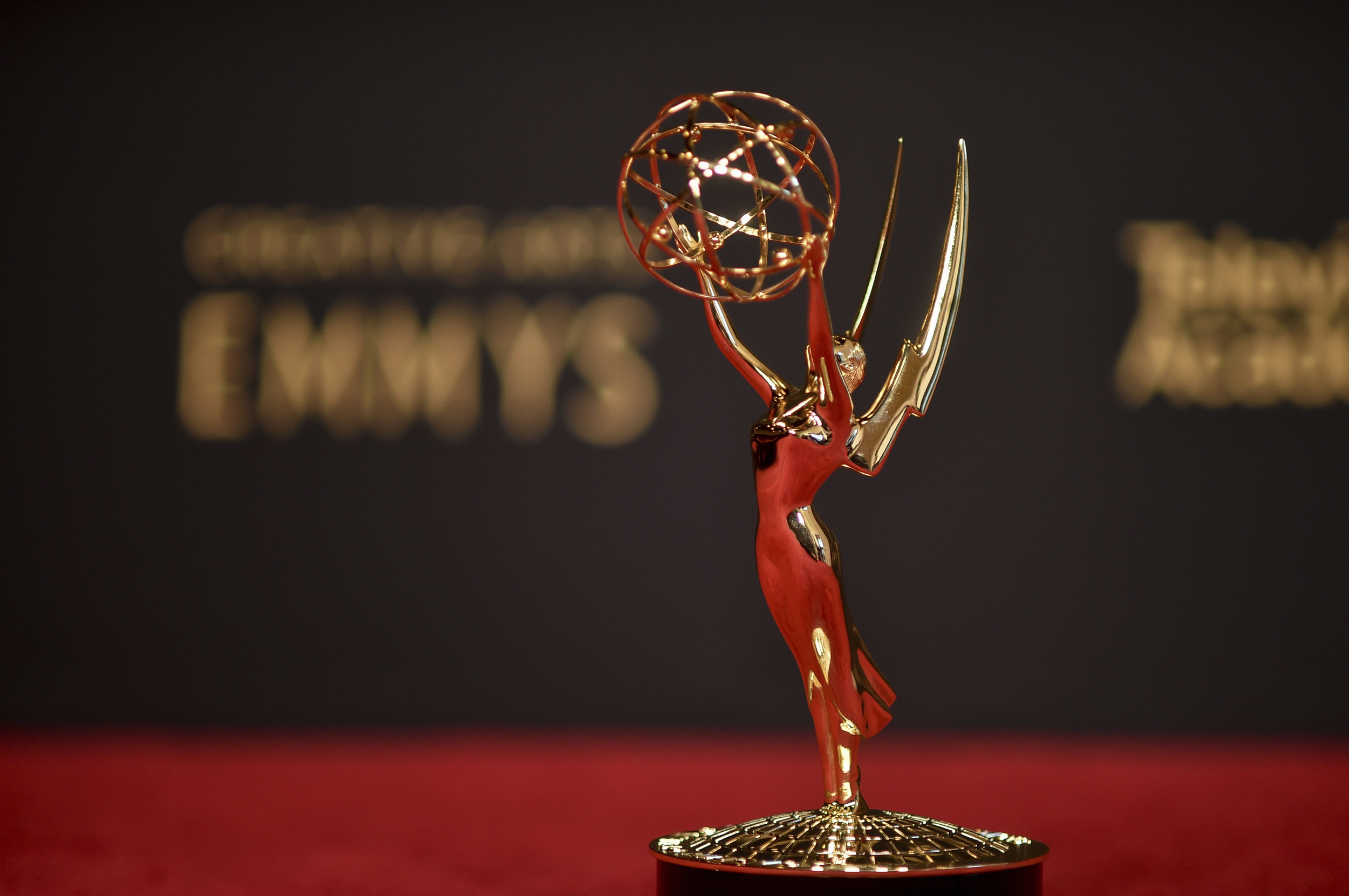
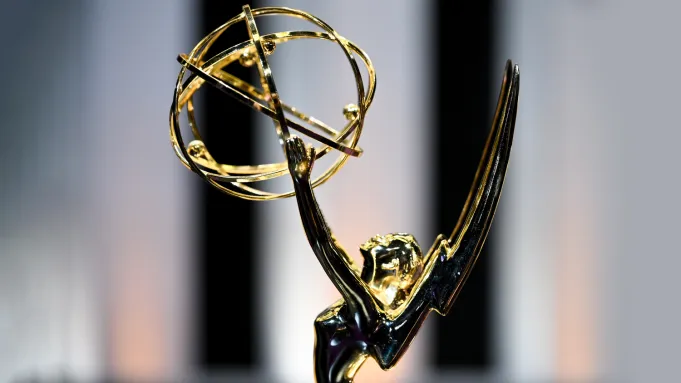
The Emmy race was already shaping up to be one of the most competitive television awards seasons in recent memory, but the first weekend of Emmy wins has made the picture considerably more interesting. The opening ceremonies on September 5 and 6 gave audiences an early look at which shows, performances and creative teams could have the strongest momentum heading into the main Primetime Emmy Awards on September 14. And if the early results are any indication, the final night may be much less predictable than anyone expected.
One of the biggest developments was David Harbour finally taking home his first Emmy. The actor, best known to television audiences for his long-running role in Stranger Things, won Outstanding Supporting Actor in a Limited or Anthology Series or Movie for his performance in DTF St. Louis. After previous Emmy nominations, the victory represents a significant career milestone for Harbour and immediately adds another memorable storyline to this year’s awards season.
But Harbour’s win was only part of the story.
Apple TV+’s Widow’s Bay emerged as one of the biggest early winners, collecting eight awards across the opening Emmy ceremonies. The horror-comedy series picked up recognition in areas including cinematography, sound, music and production design, while Betty Gilpin won Outstanding Guest Actress in a Comedy Series for her performance in the series. With 19 nominations overall, including a nomination for Outstanding Comedy Series, Widow’s Bay now has something even more valuable than a collection of trophies: momentum.
That momentum could become important when the major categories are decided.
Awards season is often described as a race, but the reality is that voters are influenced by a mixture of performances, industry conversation, critical enthusiasm and the sense that a particular show is having a moment. An early sweep in technical and guest categories does not guarantee that a program will dominate the televised ceremony, but it can change the way viewers and industry observers look at the remaining nominees.
Widow’s Bay is therefore entering the final stretch with a very different narrative from the one it had before the weekend began.
Instead of simply being another highly nominated comedy, it is now one of the shows everyone will be watching.
And that is exactly what makes the Emmy race more interesting.
The early ceremonies also produced several other significant results. DTF St. Louis collected six awards, including acting victories for Harbour and Linda Cardellini, while HBO’s The Pitt earned four awards. Apple TV+’s Pluribus also collected four, adding to its position as an important contender in the drama categories.
Then there was Spider-Noir.
The recently canceled series managed to make a considerable impression despite no longer having a future on television, picking up multiple technical awards. Its success is a reminder that an Emmy campaign can ultimately become a celebration of the work itself, even when the industry’s plans for a particular show have changed.
The Creative Arts weekend also delivered some emotional moments. Rob Reiner received a posthumous Emmy for his guest role on The Bear, while Mariska Hargitay picked up two Emmys for her work on the documentary My Mom Jayne. Hargitay is also preparing to host the main Emmy ceremony, giving her an unusually memorable connection to both sides of the weekend.
The result is an Emmy weekend that already feels bigger than a simple list of early winners.
It has stories.
There is Harbour’s first win after years of nominations. There is Widow’s Bay suddenly looking like a serious force. There is The Pitt continuing to demonstrate why it entered the season with the most nominations. There is Pluribus strengthening its case. There is Spider-Noir collecting recognition after cancellation. And there are veteran performers and unexpected winners adding another layer of emotion to the weekend.
That is what makes the final ceremony so difficult to predict.
The 2026 Emmy nominations had already established a crowded field. The Pitt led all programs with 25 nominations, while Hacks earned 24 nominations for its fifth and final season. Widow’s Bay was also among the major comedy contenders, while several other programs entered the race with strong critical and industry support.
But nominations create possibilities.
Wins create narratives.
And narratives can change how an awards race feels.
One of the biggest questions heading into September 14 is whether Widow’s Bay can convert its early success into victories in the major comedy categories. Its eight early wins are impressive, but they do not automatically translate into the top prizes. Still, the show now has a considerable amount of attention surrounding it, and that makes its Outstanding Comedy Series campaign even more compelling.
The same can be said of The Pitt.
The medical drama has been one of the central players of the 2026 Emmy season from the beginning, and its early victories reinforce its position as a show that voters clearly appreciate. Ernest Harden Jr.’s win for Guest Actor in a Drama Series adds another standout performance to the show’s awards story.
Meanwhile, the limited-series field has become particularly fascinating because of DTF St. Louis. Harbour’s victory gives the series another talking point, while the show’s other wins suggest that it is not simply benefiting from one standout performance. It has established itself as a genuine force across several categories.
And that is where the Emmy conversation becomes more interesting than a straightforward prediction chart.
Awards are ultimately about people watching television and deciding what deserves recognition. The strongest contenders are not always the ones with the biggest marketing campaigns or the most obvious cultural footprint. Sometimes a performance catches voters’ attention. Sometimes a show arrives at exactly the right moment. Sometimes an actor has spent years being nominated before finally getting the trophy.
Harbour’s win is a perfect example.
His Emmy victory feels meaningful not simply because he won, but because audiences have watched his career develop over years of television work. His previous nominations created a history around the moment. When the winner was announced, it was not just another name being added to a list. It was a long-running awards storyline finally reaching its conclusion.
The same sense of history is present in some of the weekend’s other results.
Julie Andrews winning for her voice performance in Bridgerton, for example, added another piece of television history to the weekend, while The Late Show with Stephen Colbert had a particularly strong showing with five wins. The Traitors also continued its impressive awards run, collecting six awards, including another victory for host Alan Cumming.
And then there is the significance of the ceremony itself.
This year’s early awards were reorganized as the opening nights of the 78th Emmy Awards, with several important categories moved away from the televised ceremony. The changes have generated discussion within the entertainment industry, particularly because the restructuring affects how major acting categories are presented.
That makes September 14 feel even more important.
The opening weekend has already distributed a huge number of trophies, but the televised ceremony will determine which programs ultimately dominate the conversation when the biggest categories are announced.
It is also the moment when the Emmy season moves from industry insiders and dedicated awards watchers into the wider pop-culture conversation.
People who may not have followed every nomination will suddenly want to know which show won Best Comedy. Which drama took the biggest prize? Which actors finally received their trophies? Which performances became the night’s defining moments?
And those questions are still very much open.
That uncertainty is exactly what makes this year’s race fun to watch.
The early winners have not necessarily closed the competition. They have complicated it.
Widow’s Bay has become more formidable. The Pitt remains a major contender. Pluribus has strengthened its position. DTF St. Louis has turned its nominations into tangible wins. Individual performances have created their own storylines, and some of the weekend’s most emotional victories have reminded audiences why awards season can still matter even in an increasingly crowded television landscape.
By September 14, some of these questions will have answers.
Until then, the Emmy race has entered its most interesting phase: the part where everyone has enough information to make predictions, but not enough information to feel completely certain.
And that is usually when awards season gets really good.
The trophies have started falling.
The narratives are forming.
And the biggest night is still ahead.
References
Variety — Widow’s Bay and 2026 Creative Arts Emmy winners
People — David Harbour wins his first Emmy
Associated Press — Widow’s Bay dominates the early Emmys