Megan Brown
Fashion shows are designed to create moments people remember. A dramatic entrance, an unexpected celebrity appearance, a striking outfit, or a performance that perfectly matches the runway can turn a single evening into a conversation that lasts long after the final walk.
The 2026 Victoria’s Secret Fashion Show delivered plenty of those moments.
Held in Los Angeles on October 18, the production brought together returning models, first-time runway appearances, elaborate wings, and performances from Tate McRae, KATSEYE, Megan Moroney, and Megan Thee Stallion. The return of the famous Fantasy Bra added another layer of nostalgia to a show built around spectacle.
Yet the conversation has not been entirely celebratory.
Some viewers loved the dramatic styling, familiar faces, and high-energy performances. Others questioned certain outfits, criticized the presentation, and debated whether Victoria’s Secret has found the right balance between its historic identity and the expectations of a changing audience.
That divide is what makes this year’s show interesting beyond the runway itself.
It is not simply a question of which model wore the best look. It is a question of what people want a major fashion event to represent in 2026.
1. The Fantasy Bra Returns—and Nostalgia Takes Center Stage
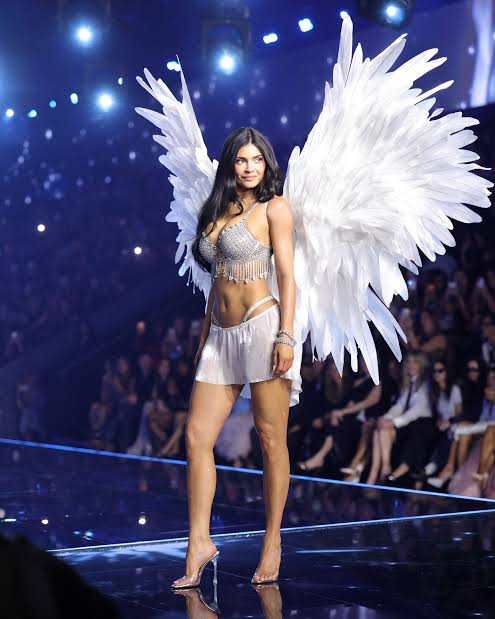
One of the most discussed moments involved Kylie Jenner wearing the returning Fantasy Bra, a signature symbol of the brand’s most extravagant runway productions.
The design, created with jeweler Jacob & Co., was reported to be worth $50 million and featured thousands of diamonds. Its return marked the first appearance of the Fantasy Bra on the runway since 2018.
For longtime followers, the piece represented a familiar era of Victoria’s Secret fashion: elaborate craftsmanship, dramatic styling, celebrity attention, and a sense that the runway was designed to be an entertainment event as much as a fashion presentation.
Jenner’s appearance amplified that effect. Her celebrity profile brought an additional pop-culture dimension to a moment already designed to attract attention.
But nostalgia can be complicated.
For some viewers, bringing back a recognizable showpiece is a welcome reminder of what made the production memorable. For others, recreating the past raises a different question: can an old signature feel relevant without simply repeating what came before?
The Fantasy Bra illustrates the challenge facing the brand. Its value as a cultural symbol depends partly on its history, but its place in a modern fashion show also depends on how effectively it connects with today’s audience.
A spectacular piece of jewelry can create an unforgettable image. Whether that image represents meaningful reinvention is a separate question.
2. Familiar Angels Meet a New Generation
The runway also brought together established Victoria’s Secret models and newer faces.
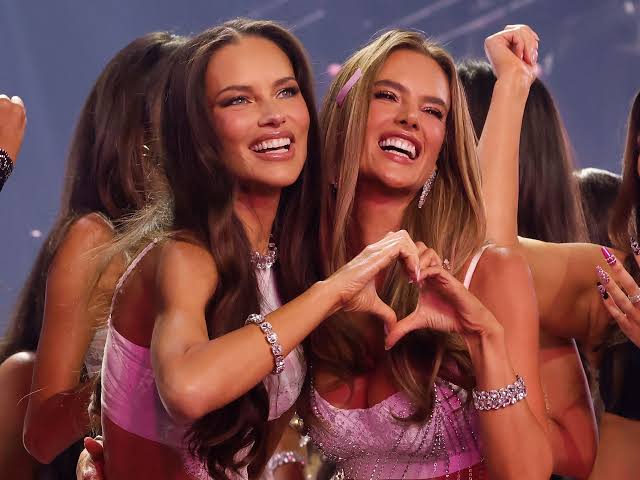
Bella Hadid opened the show, while Gigi Hadid, Adriana Lima, Alessandra Ambrosio, Candice Swanepoel, Ashley Graham, Alex Consani, and other familiar names helped connect the production to the brand’s earlier eras.
At the same time, the show featured new runway appearances, including casting-call winner Solange Omon, whose journey was documented through the brand’s Angels Among Us series.
That combination created two different kinds of excitement.
Returning models offered familiarity. Their walks, styling, and established relationships with the brand gave longtime viewers recognizable moments to follow.
New faces offered a different story: the possibility of discovering someone unfamiliar and watching their career develop.
Solange Omon’s debut was particularly significant because it connected the runway to a public casting process rather than relying exclusively on established names.
This approach gives audiences another way to engage with fashion. Instead of following only the finished show, viewers can become interested in the process of selecting and developing new talent.
However, casting a wider range of people does not automatically settle every debate about representation.
Questions about body diversity, beauty standards, age, cultural identity, and the overall message of a fashion campaign remain relevant. A brand’s image is shaped by the full presentation, including its styling, advertising, casting choices, and the stories it tells about the people wearing its products.
The 2026 show brought familiar glamour and newer faces together. Whether that combination signals lasting change will depend on what the brand continues to do beyond a single event.
3. The Performances Made the Runway a Pop-Culture Event
Fashion and music have long shared the spotlight, but the relationship becomes especially visible when performers move through the same space as the models.
This year’s lineup included Tate McRae, KATSEYE, Megan Moroney, and Megan Thee Stallion, each bringing a different musical identity to the production.
McRae added contemporary pop energy, while KATSEYE brought choreography and a group-performance dynamic. Moroney introduced a country-music presence, and Megan Thee Stallion delivered a performance built around her established stage persona.
The variety helped the show reach beyond a traditional fashion audience.
Music fans could tune in for their favorite artists, while viewers interested in fashion could follow the clothing, styling, and runway appearances. Celebrity reactions and performance clips then created additional opportunities for social sharing.
But combining music and fashion also introduces a balancing act.
The clothes are supposed to remain central to a runway show, yet a major performance can naturally draw attention away from the models. Camera angles, choreography, and the positioning of performers all influence how viewers experience the presentation.
Some online criticism focused on whether certain performance moments distracted from the models or interfered with the runway flow. Other viewers welcomed the crossover, arguing that entertainment is part of what makes the event distinctive.
Neither reaction is surprising.
The show is designed for an audience that increasingly consumes fashion through short videos, live reactions, and individual moments rather than only through a complete broadcast.
A performance can therefore become one of the most memorable parts of the event, even when the clothes were supposed to be the main attraction.
4. The Styling Debate: Glamorous, Nostalgic, or Too Much?
The Victoria’s Secret aesthetic has always leaned toward visual drama. Wings, embellishments, lingerie-inspired looks, and carefully coordinated styling are central to its recognizable runway identity.
In 2026, those elements once again generated strong reactions.
Some viewers praised the elaborate presentation and the return of familiar show traditions. Others felt that certain looks lacked the polish or glamour they expected, questioning the costumes, oversized wings, and overall styling.
This disagreement reveals how differently people interpret fashion spectacle.
For one audience, exaggerated styling is precisely the point. A runway show should create images that would feel excessive in everyday life. The theatrical wings, sparkling details, and dramatic silhouettes distinguish the event from a conventional fashion presentation.
For another audience, spectacle alone is not enough. The execution must feel considered, the garments must look well designed, and the styling must support the overall concept.
The distinction matters because fashion criticism is rarely just about whether an outfit is attractive.
People also evaluate proportion, construction, originality, context, and whether a look fits the event in which it appears.
A dramatic outfit can be successful because it commands attention. The same outfit can disappoint viewers who expect more subtlety or craftsmanship.
Social media intensifies these differences by placing contrasting opinions beside one another. A look praised in one video may be criticized in another, with both gaining attention because the debate encourages people to respond.
The result is a runway conversation in which there is rarely one universally accepted verdict.
5. The Bigger Question: What Does Victoria’s Secret Stand For Now?
The show’s most significant debate extends beyond individual outfits.
Victoria’s Secret has spent recent years navigating questions about its historic image, its relationship with beauty standards, and how it wants to present itself to modern consumers.
The fashion show’s return in 2024, following a six-year hiatus, placed renewed attention on those issues. Subsequent productions have continued to combine familiar brand signatures with efforts to engage audiences through contemporary casting, music, and digital storytelling.
The challenge is that a brand cannot redefine its image through a single casting decision or runway moment.
Its identity is built through repeated choices: which products it sells, which models it features, how it communicates with customers, and whether its public messaging matches the experience people encounter.
For some viewers, the return of elaborate wings and lingerie-focused styling is a welcome embrace of the brand’s original identity. For others, the same visual language raises questions about whether the company has moved far enough beyond the expectations associated with its earlier era.
Both reactions reflect the difficulty of managing a recognizable brand while trying to evolve.
If a company changes too much, longtime fans may feel that it has abandoned what made it distinctive. If it changes too little, audiences may question whether its reinvention is meaningful.
Victoria’s Secret must find a way to preserve the elements that make its show recognizable while demonstrating that its approach can respond to contemporary expectations.
That is a much bigger challenge than designing one successful runway look.
6. Why the Internet Keeps Turning Runway Moments Into Debates
The way people watch fashion has changed.
In the past, audiences often experienced a runway show through a broadcast, magazine coverage, or photographs published afterward. Today, viewers can encounter the same event through livestreams, short clips, backstage footage, creator commentary, and reaction videos.
A single appearance can become a separate online story.
A celebrity’s outfit may circulate independently of the rest of the show. A model’s walk can be analyzed from several camera angles. A brief interaction between a performer and a model can become a debate about stage positioning. A styling choice can inspire thousands of comparisons with previous shows.
This creates opportunities for fashion to reach audiences who might never watch the entire production.
It also means individual moments can lose their original context.
A short clip may omit what happened immediately before or after it. A reaction video may emphasize a creator’s opinion rather than the details of the actual event. A widely shared criticism may represent one person’s response rather than a consensus among viewers.
The distinction between popularity and agreement is especially important.
A video can attract substantial engagement because people love the moment, dislike it, or simply want to argue about it. High engagement does not necessarily mean that most people share the same opinion.
For readers following the Victoria’s Secret conversation, the best approach is to distinguish what happened on the runway from what commentators think it means.
The show provides the material. The internet turns it into a much larger cultural discussion.
7. What the 2026 Show Says About Modern Celebrity Culture
The event also illustrates how fashion, celebrity, music, and commerce now operate together.
Jenner’s Fantasy Bra appearance combined a fashion moment with celebrity visibility. The musical performances introduced artists to audiences interested in the show. Returning models offered nostalgia, while new faces created fresh stories for viewers to follow.
Each element helped generate attention beyond the clothing itself.
This does not make the fashion less important. Instead, it shows how modern fashion events are often designed to create multiple points of entry for different audiences.
Someone might arrive because of a favorite model, stay for a performance, and later become interested in a particular outfit or product. Another viewer might follow the event primarily for its styling and encounter a new musician through the soundtrack.
For brands, this crossover offers a way to maintain cultural visibility in an increasingly crowded media environment.
For audiences, it creates an event that can be enjoyed, criticized, discussed, or shared from several different perspectives.
The challenge is ensuring that the attention generated by spectacle ultimately supports a clear identity rather than becoming a substitute for one.
The Final Takeaway: One Runway, Many Opinions
The 2026 Victoria’s Secret Fashion Show delivered the ingredients of a modern pop-culture event: recognizable stars, returning traditions, new runway faces, high-profile performances, and enough dramatic styling to keep the internet talking.
The Fantasy Bra brought nostalgia back into the spotlight. The casting created opportunities to celebrate both familiar models and new talent. The performances helped transform the runway into a wider entertainment experience.
At the same time, criticism of the styling and renewed debate about the brand’s image demonstrated that audiences are not simply accepting the spectacle at face value.
They are asking what the show represents, who it is for, and whether its evolution feels genuine.
Those questions are unlikely to disappear after the final photographs circulate.
Fashion has always involved personal taste, but today’s online culture makes those differences visible on a much larger scale. Every striking look can become a celebration, a criticism, or a debate about the direction of an entire brand.
Perhaps that is the most revealing part of this year’s show.
The runway may last only a short time, but the meaning audiences attach to it continues to evolve.
And in an era when every fashion moment can become a viral conversation, the question is no longer just who wore the wings best.
It is what those wings mean to the people watching.
References
- People — The Best, Worst and Oops Moments from the 2026 Victoria’s Secret Fashion Show
- ELLE — Victoria’s Secret Fashion Show 2026 Review: Inside the Angel Reboot
- Allure — The Victoria’s Secret Fashion Show 2026 Review
- Harper’s Bazaar — All of the 2026 Victoria’s Secret Performances
- The Washington Post — The Victoria’s Secret Show Wasn’t Subtle. That’s Why It Worked
- Victoria’s Secret — Shop the 2026 Fashion Show Collection