Megan Brown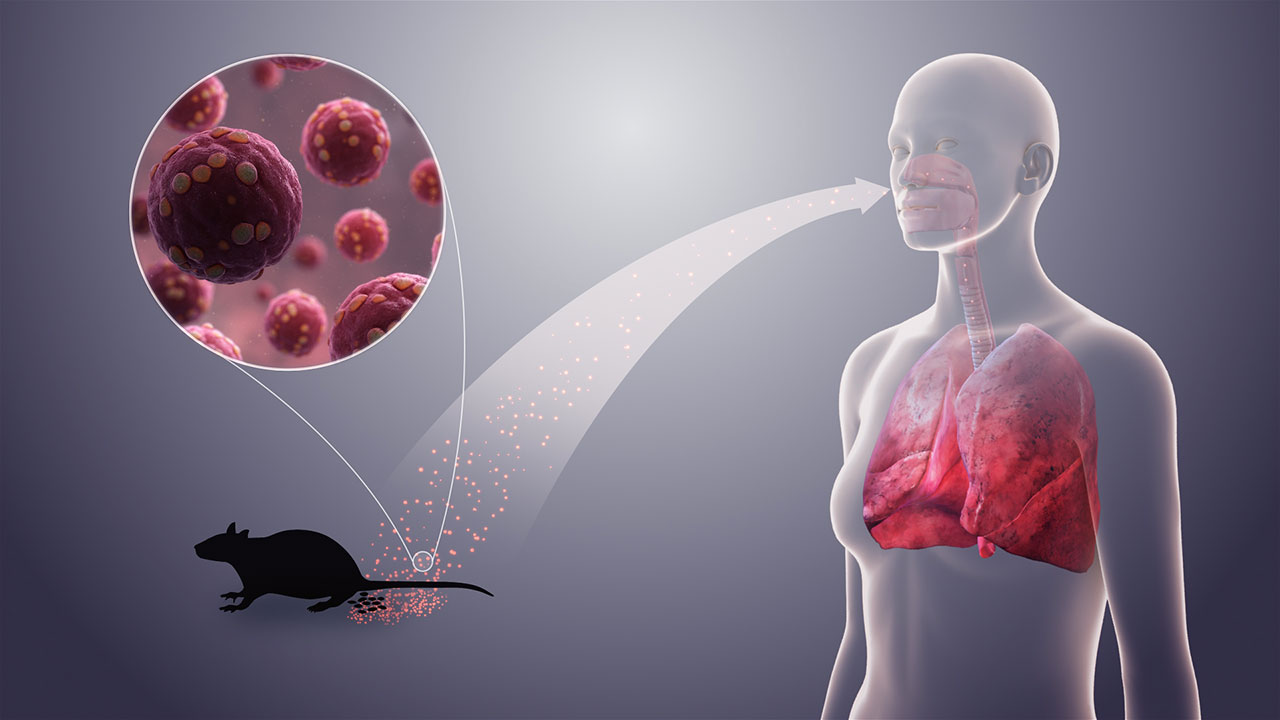
Health stories have always captured public attention, but in the age of social media, the way information spreads has changed dramatically. In 2026, people often encounter health news not through official announcements or medical journals, but through viral posts, reaction videos, trending searches, and endless online discussions. As a result, public interest can grow at a pace that sometimes outpaces the facts themselves.
One of the latest examples is hantavirus. While the virus has been known to health experts for decades, online conversations have recently pushed it into the spotlight. Search activity, social media posts, and discussion threads have fueled curiosity about the disease, leading many people to seek information about symptoms, transmission, and potential risks.
What makes modern health stories unique is that the conversation rarely stays focused on the medical facts alone. Instead, the internet creates multiple layers of discussion. Some users share legitimate health information, while others post reactions, opinions, theories, and speculation. The result is a digital environment where news and commentary often become intertwined.
This pattern is not exclusive to hantavirus. Public interest in health topics frequently spikes when a story gains momentum online. Viral content can introduce important topics to larger audiences, but it can also create confusion when information is shared without context. As people rush to react, headlines sometimes travel faster than expert explanations.
Social media algorithms contribute to this phenomenon by rewarding engagement. Content that triggers strong emotional responses—whether concern, surprise, or curiosity—often receives greater visibility. A health-related story can quickly become one of the most discussed topics online, even if the actual public health risk remains limited or localized.
The speed of information sharing also creates a feedback loop. Rising searches lead to more content creation, which generates additional discussions, which then encourage even more searches. This cycle can make a topic appear larger than life, especially when users encounter repeated posts across multiple platforms.
At the same time, increased public attention is not necessarily a negative development. Greater awareness can encourage people to learn more about health risks, prevention strategies, and scientific research. The challenge lies in distinguishing credible information from speculation and ensuring that conversations remain grounded in evidence.
Health agencies and medical experts now operate in an environment where communication is just as important as research. Clear messaging, rapid updates, and accessible explanations have become essential tools for addressing public concerns and combating misinformation.
The recent attention surrounding hantavirus highlights a broader reality about modern media consumption. People are no longer simply following health news—they are following reactions to health news. In many cases, the conversation around a story becomes almost as influential as the story itself.
As social media continues to shape public awareness, health topics will likely remain part of the internet’s viral ecosystem. The challenge for audiences is not finding information, but identifying which sources deserve their trust.
References
- Centers for Disease Control and Prevention (CDC) – Hantavirus Information
- World Health Organization (WHO) – Disease Outbreaks and Public Health Communication
- National Institutes of Health (NIH) – Infectious Disease Research
- Pew Research Center – Social Media and News Consumption
- Reuters Institute – Digital News Report
- Harvard T.H. Chan School of Public Health
- Johns Hopkins Bloomberg School of Public Health