Megan Brown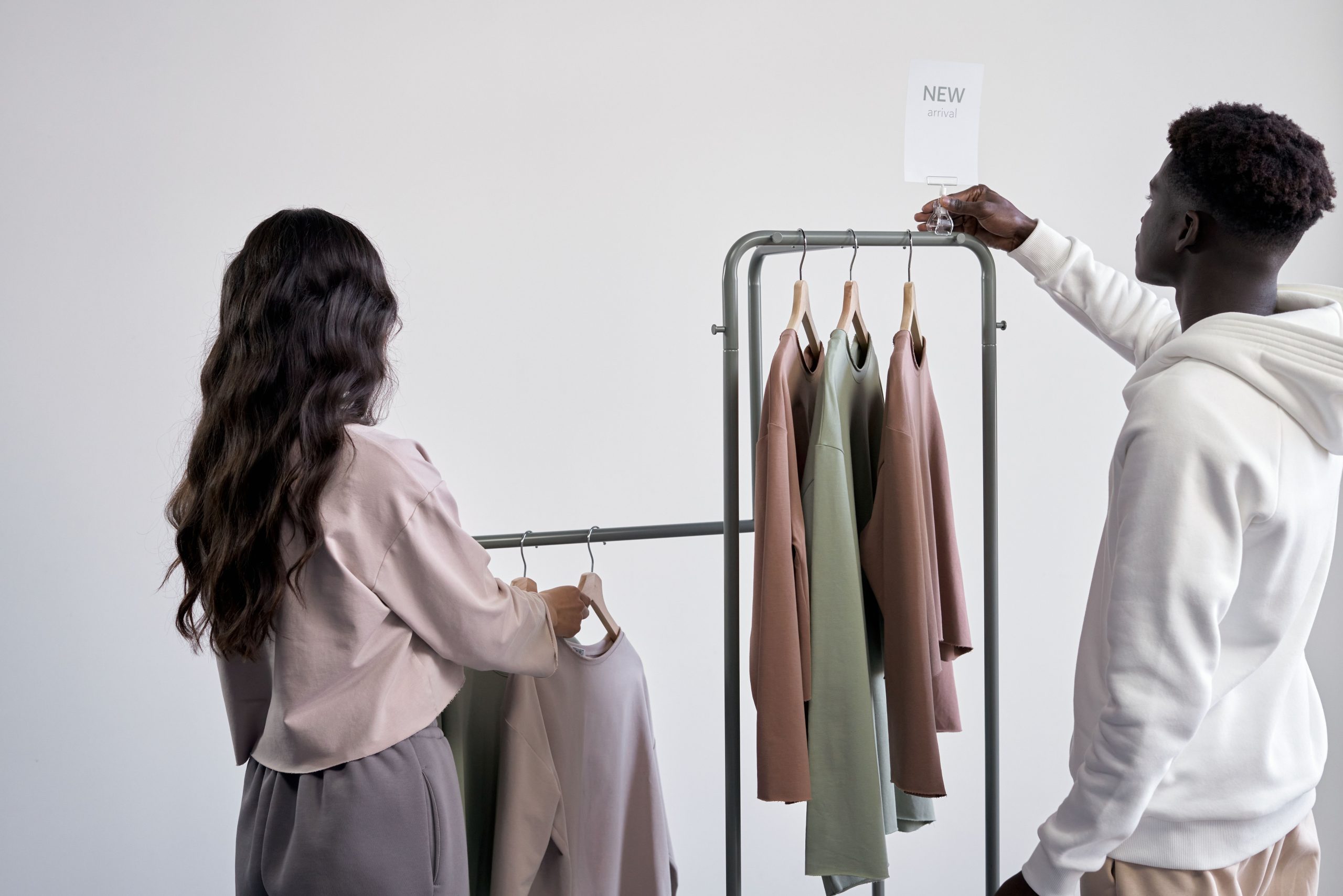
Celebrity influence has evolved far beyond the worlds of film, television, music, and sports. Today’s biggest public figures are no longer simply entertainers who promote products through occasional endorsements. They have become cultural tastemakers whose preferences influence how people dress, eat, travel, decorate their homes, and even think about wellness. Their impact extends across nearly every consumer category, quietly shaping purchasing decisions long before people realize they have been influenced.
This transformation has been driven by the rise of digital media and direct communication. In previous decades, fans mainly saw celebrities during interviews, award shows, magazine features, or advertising campaigns. Today, social media offers continuous access to their everyday lives. Followers see what they wear while running errands, what coffee they order, which books they read, the restaurants they visit, and the skincare products they keep on their bathroom shelves. These seemingly ordinary moments often have more influence than traditional advertising because they feel spontaneous and authentic.
As a result, celebrity influence has become less about promoting luxury and more about shaping aspiration. Consumers are increasingly interested in recreating lifestyles rather than purchasing individual products. A weekend outfit, a favorite café, a travel destination, or a home décor choice can inspire thousands of people to make similar decisions. The product itself is often secondary to the lifestyle it represents.
Celebrities such as Hailey Bieber, Harry Styles, and Margot Robbie illustrate this modern form of influence. Each has helped shape trends in different ways, whether through fashion choices, beauty aesthetics, or broader lifestyle preferences. Their influence extends beyond sponsored partnerships because audiences closely observe their personal style and everyday habits.
Fashion remains one of the clearest examples of this phenomenon. A single candid photograph of a celebrity wearing a particular jacket, handbag, or pair of sneakers can trigger immediate consumer interest. Retailers often report spikes in searches and sales after high-profile appearances, even when there is no formal advertising campaign behind the product. This demonstrates how cultural visibility alone can influence purchasing behavior.
The same pattern is emerging in food and beverage culture. When well-known personalities are seen enjoying a particular restaurant, beverage, or style of dining, interest frequently follows. Rather than promoting products directly, celebrities often normalize trends through everyday exposure. Specialty coffee drinks, wellness beverages, farm-to-table dining, and seasonal food experiences have all benefited from this subtle form of influence.
Travel has also become an important part of celebrity-driven consumer behavior. Vacation destinations, boutique hotels, wellness retreats, and hidden restaurants often gain international attention after being featured in celebrity travel photos. Audiences are increasingly inspired by experiences rather than possessions, making destination recommendations one of the fastest-growing forms of lifestyle influence.
Home design and interior aesthetics have experienced a similar shift. Followers now pay close attention to celebrity home tours, architectural styles, and decorating choices. Minimalist interiors, vintage furnishings, sustainable materials, and personalized living spaces have all gained popularity through repeated exposure across entertainment and lifestyle media.
Importantly, today’s celebrity influence works because it feels integrated into daily life rather than presented as a traditional advertisement. Consumers are becoming more skeptical of overt promotional campaigns, but they remain highly receptive to authentic storytelling. A product or experience casually incorporated into everyday content often generates stronger engagement than a scripted endorsement.
This has also changed how brands approach marketing. Instead of relying solely on expensive advertising campaigns, many companies focus on long-term relationships with public figures whose lifestyles naturally align with their products. Authenticity has become one of the most valuable assets in modern marketing, and brands increasingly understand that trust cannot be manufactured overnight.
Consumer behavior research suggests that people often use public figures as reference points when navigating new products or trends. Celebrities reduce uncertainty by introducing unfamiliar brands or experiences within a familiar context. This psychological effect makes recommendations feel less like advertisements and more like social proof, encouraging audiences to explore products they may not have otherwise considered.
Another important development is the increasing overlap between entertainment and entrepreneurship. Many celebrities now create their own fashion labels, beauty companies, food brands, and wellness products. Rather than simply endorsing existing businesses, they are building brands that reflect their personal values and long-term vision. This shift has strengthened the connection between personal identity and consumer behavior, making celebrity influence even more integrated into everyday purchasing decisions.
At the same time, audiences have become more selective. Visibility alone is no longer enough to guarantee commercial success. Consumers expect quality, transparency, and genuine enthusiasm from the public figures they follow. Products that fail to meet expectations are quickly criticized online, reinforcing the idea that authenticity matters as much as influence itself.
Ultimately, celebrities quietly shape what we buy next because they influence culture before they influence commerce. They introduce ideas, normalize behaviors, and create aspirational lifestyles that consumers naturally begin to explore. Whether through fashion, food, travel, beauty, or home design, their greatest influence often comes not from telling people what to purchase, but from showing how they choose to live.
References
- Harvard Business Review – Consumer Behavior and Influencer Marketing
- McKinsey – The Future of Consumer Behavior
- Forbes – Celebrity Brands and the Creator Economy
- Nielsen – Trust in Advertising and Consumer Influence
- Reuters – Retail and Consumer Trends
- Pew Research Center – Social Media and Consumer Habits