Megan Brown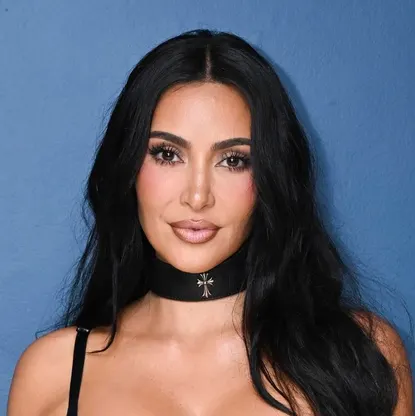
Fame used to be the end goal. Being recognized, photographed, and talked about was enough to define success in entertainment and media. Today, that definition is changing. Visibility alone is no longer the most valuable form of status—what matters more now is influence.
Influence is measured not just by how many people know a name, but by how many people act on it. Whether it is purchasing a product, engaging with content, or adopting an idea, modern attention is tied to impact rather than recognition alone.
This shift has been driven by the structure of digital platforms. Social media does not simply reward popularity; it rewards engagement. A creator with a smaller audience can have more impact than a traditional celebrity if their content consistently drives conversation or behavior.
Public figures such as Kim Kardashian and Dwayne Johnson illustrate this evolution, where fame is only one part of a broader system that includes branding, entrepreneurship, and audience influence.
At the same time, internet-native creators such as MrBeast demonstrate how influence can exist independently of traditional celebrity structures. Their reach is built through direct audience connection, consistent engagement, and measurable impact across platforms.
Another factor is the fragmentation of media. Instead of a single shared culture, audiences now exist across multiple platforms, niches, and communities. In this environment, influence becomes more important than universal recognition, because success is defined within smaller but highly engaged groups.
Brands have responded quickly to this change. Marketing strategies increasingly prioritize creators who can generate action rather than just awareness. Conversion, trust, and relatability often matter more than traditional celebrity endorsement value.
Social media algorithms reinforce this shift by prioritizing content that performs well in terms of engagement metrics such as shares, comments, and watch time. This means influence is constantly being tested, measured, and redistributed in real time.
There is also a psychological dimension. Audiences are more likely to trust individuals who feel accessible and relatable rather than distant figures. Influence often grows from perceived authenticity and consistent interaction rather than celebrity status alone.
As a result, fame has become less stable as a form of power. It can still open doors, but it no longer guarantees relevance. Influence, on the other hand, is fluid, measurable, and directly tied to audience behavior.
Ultimately, the shift from fame to influence reflects a broader change in how attention works. It is no longer about being seen by everyone—it is about being meaningful to the right people in the right moments.