Megan Brown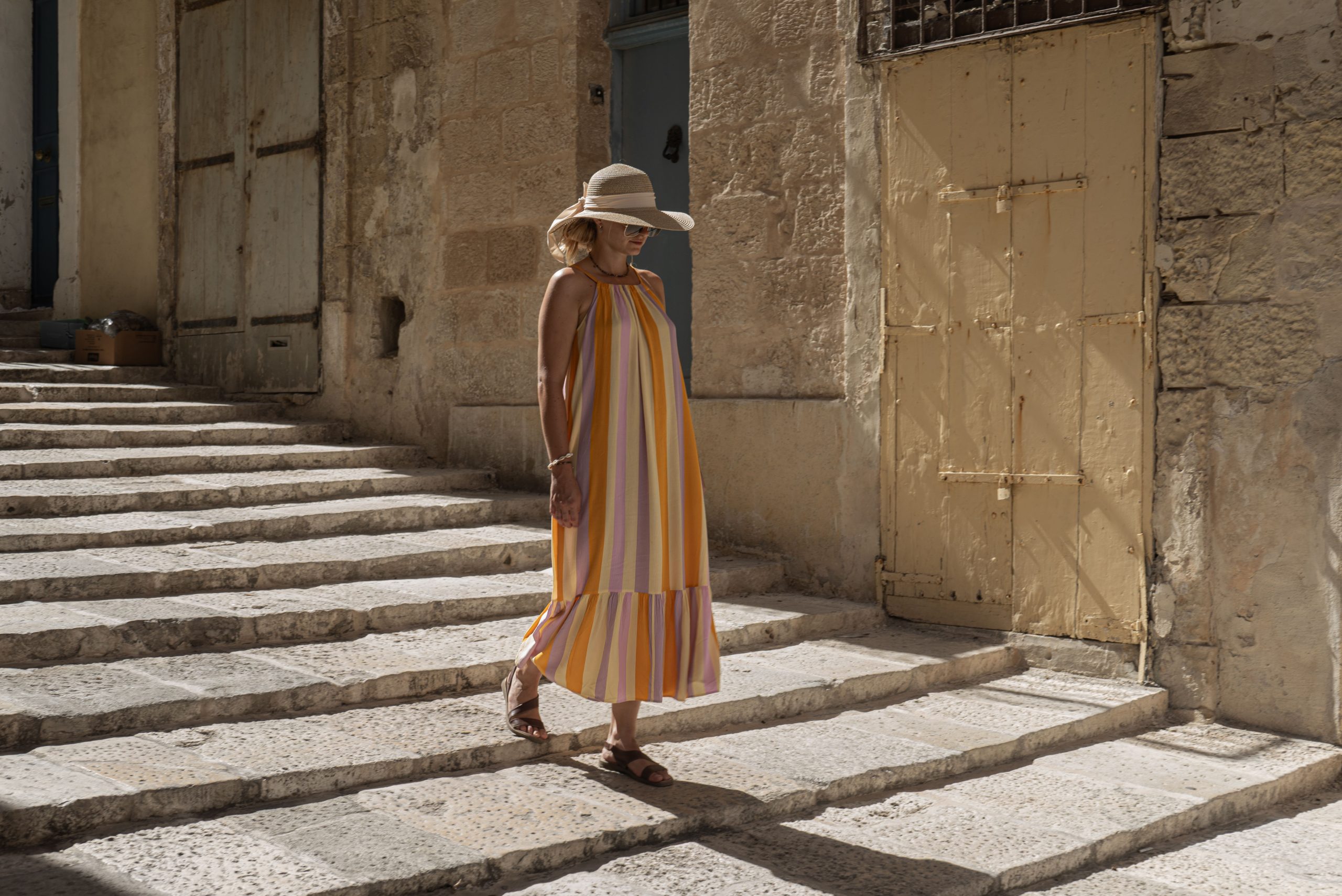
Some trends begin with a product. Others start with a celebrity. But every so often, an entire mood takes over the internet. This summer, that mood is unmistakable: sun-soaked coastlines, outdoor cafés, late-night walks through historic cities, and the idea of escaping everyday life for something slower and more romantic.
The fascination with the “European summer” is about more than travel. For many people, it has become a symbol of freedom, simplicity, and a temporary break from constant schedules, notifications, and responsibilities. Even those with no immediate travel plans are engaging with the aesthetic through videos, photos, and social media content that captures a version of life that feels calmer and more intentional.
Part of the appeal comes from contrast. Daily life often revolves around routines, deadlines, and digital overload. European summer imagery offers the opposite: long lunches, spontaneous adventures, scenic train rides, and a sense that time moves a little more slowly. Whether the reality always matches the fantasy is almost beside the point. The fantasy itself is what resonates.
Public figures such as Dua Lipa and Jacob Elordi have helped amplify this trend through highly visible travel moments that spread across social media, reinforcing the idea that summer should feel adventurous, effortless, and slightly cinematic.
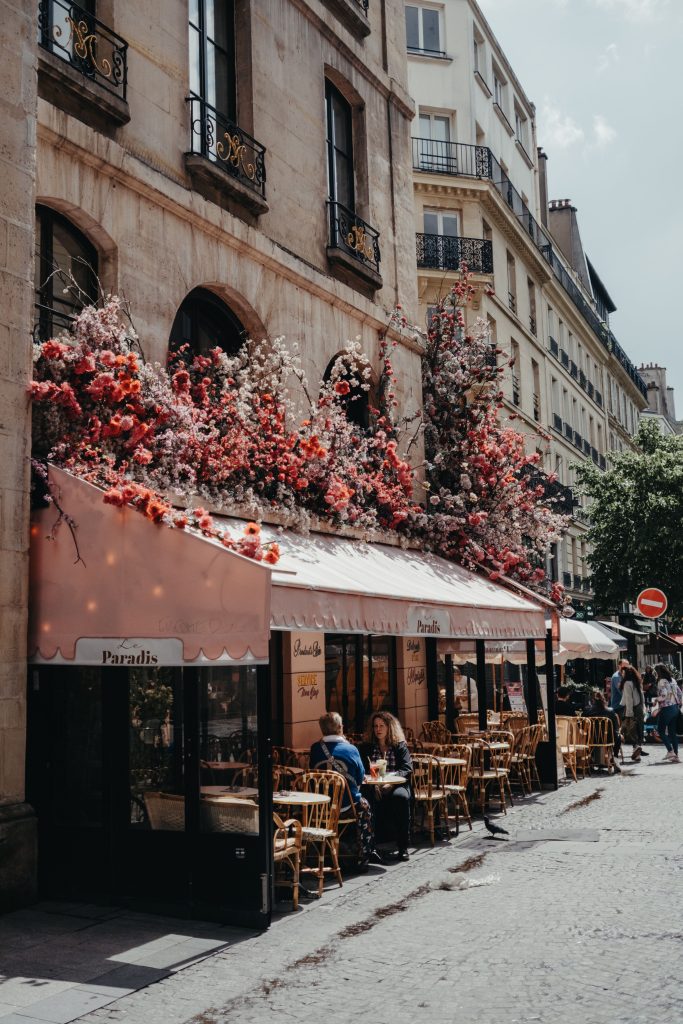
Social platforms have accelerated the phenomenon. A single video showing a coastal village in Italy, a beach club in Greece, or a café in Paris can inspire millions of views. These clips often emphasize atmosphere rather than destinations themselves, making the experience feel accessible even to viewers watching from home.
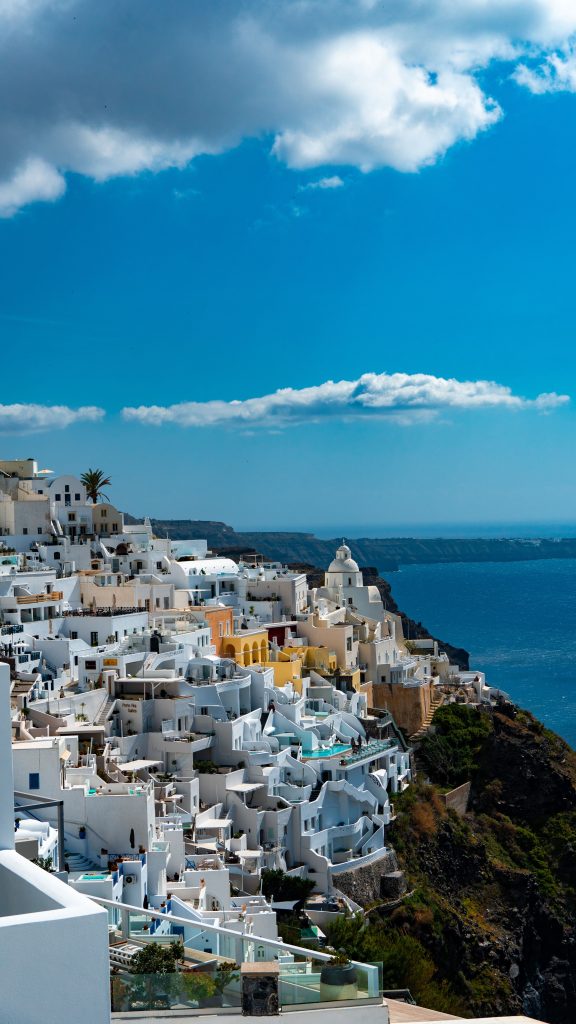
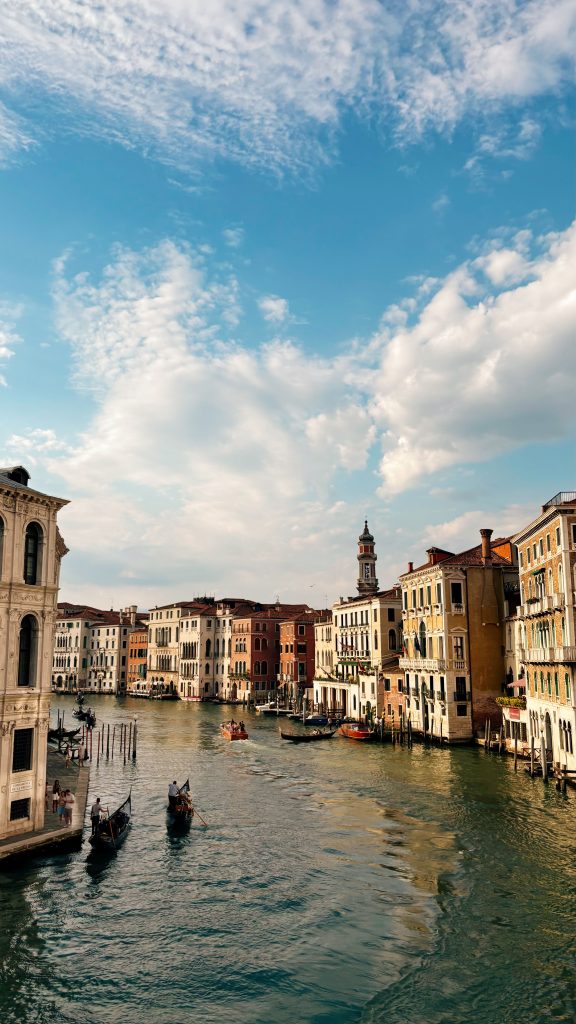
Another reason the trend has gained momentum is emotional fatigue. After years of economic uncertainty, nonstop news cycles, and digital saturation, people are increasingly drawn toward experiences that feel restorative rather than productive. Travel becomes less about checking destinations off a list and more about creating moments that feel disconnected from pressure.
Brands have noticed this shift as well. Fashion, beauty, and lifestyle companies are heavily leaning into travel-inspired campaigns filled with linen clothing, Mediterranean colors, outdoor dining, and effortless styling. The aesthetic has become a marketing language that extends far beyond tourism.
Interestingly, the appeal is not limited to Europe itself. The idea of a European summer has evolved into a mindset—a desire to slow down, enjoy simple pleasures, and prioritize experiences over constant achievement. People are seeking the feeling as much as the location.
The popularity of this trend highlights something deeper about modern culture. When daily life feels increasingly fast and demanding, escapism becomes valuable. Not because people want to avoid reality forever, but because they want occasional reminders that life can feel lighter, slower, and more spontaneous.
That is why the European summer fantasy continues to resonate. It offers a temporary vision of a world where schedules loosen, conversations last longer, and experiences matter more than productivity. Whether experienced through travel or imagination, it represents a form of escape that many people seem eager to embrace.