Megan Brown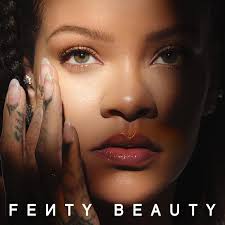
In 2026, celebrity fame is no longer just a byproduct of success in film, music, or sports—it has become a launchpad for full-scale business ecosystems. Increasingly, public figures are shifting away from relying solely on traditional entertainment income and instead building companies, investing in startups, and developing personal brands that extend far beyond their original careers.
This shift is largely driven by the changing nature of visibility. Social media has transformed attention into a measurable asset, allowing celebrities to directly reach audiences without relying entirely on studios, record labels, or traditional media gatekeepers. As a result, fame now functions as a form of distribution power that can be converted into commercial influence.
Many entertainers are expanding into fashion, beauty, wellness, and lifestyle sectors. These industries are particularly attractive because they align closely with personal branding and audience identity. Products tied to a recognizable figure often benefit from built-in awareness and strong initial demand.
Public figures such as Rihanna have become central examples of this shift, demonstrating how a music career can evolve into a multi-industry business portfolio spanning cosmetics, fashion, and luxury goods. Her trajectory reflects how modern celebrity influence can extend into long-term enterprise building.
Similarly, Ryan Reynolds has shown how personality-driven branding can translate into successful business ventures outside of entertainment, particularly through marketing-focused investments and consumer-facing companies that leverage humor and public persona.
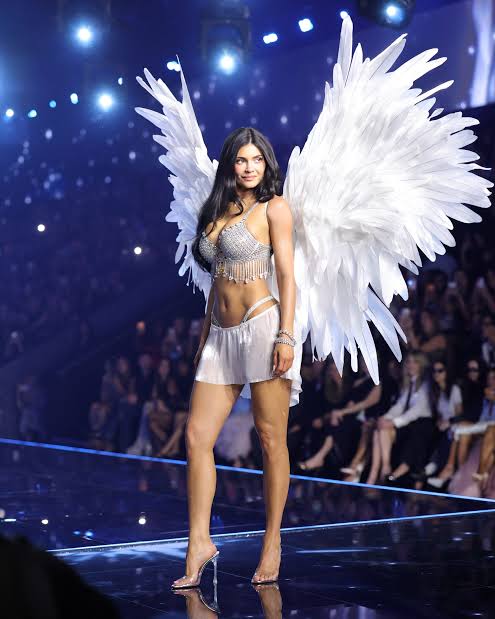
Another notable example is Kylie Jenner, whose presence in beauty and lifestyle markets illustrates how digital-native fame can be directly converted into product-based businesses with global reach. Her brand demonstrates the strong connection between online visibility and consumer demand.
The appeal of these business models lies in control and scalability. Unlike traditional entertainment contracts, owning a brand or equity stake allows celebrities to benefit from long-term growth rather than short-term compensation. This creates a more sustainable financial structure beyond active performance careers.
Social media continues to play a central role in this evolution. Platforms allow celebrities to test ideas, promote products, and build anticipation directly with audiences. This reduces reliance on traditional advertising while increasing the speed at which products can gain traction.
At the same time, audiences have become more accustomed to celebrity-led brands. While authenticity remains important, consumers increasingly accept that public figures can operate as both entertainers and entrepreneurs simultaneously.
However, this convergence of fame and business also increases scrutiny. Product launches, partnerships, and brand messaging are closely watched, and reputational risks can have immediate financial consequences in highly visible markets.
Despite these challenges, the trend shows no sign of slowing. As attention continues to function as a form of economic capital, celebrities are increasingly positioning themselves not just as performers, but as long-term business operators building diversified portfolios around their public identity.