Megan Brown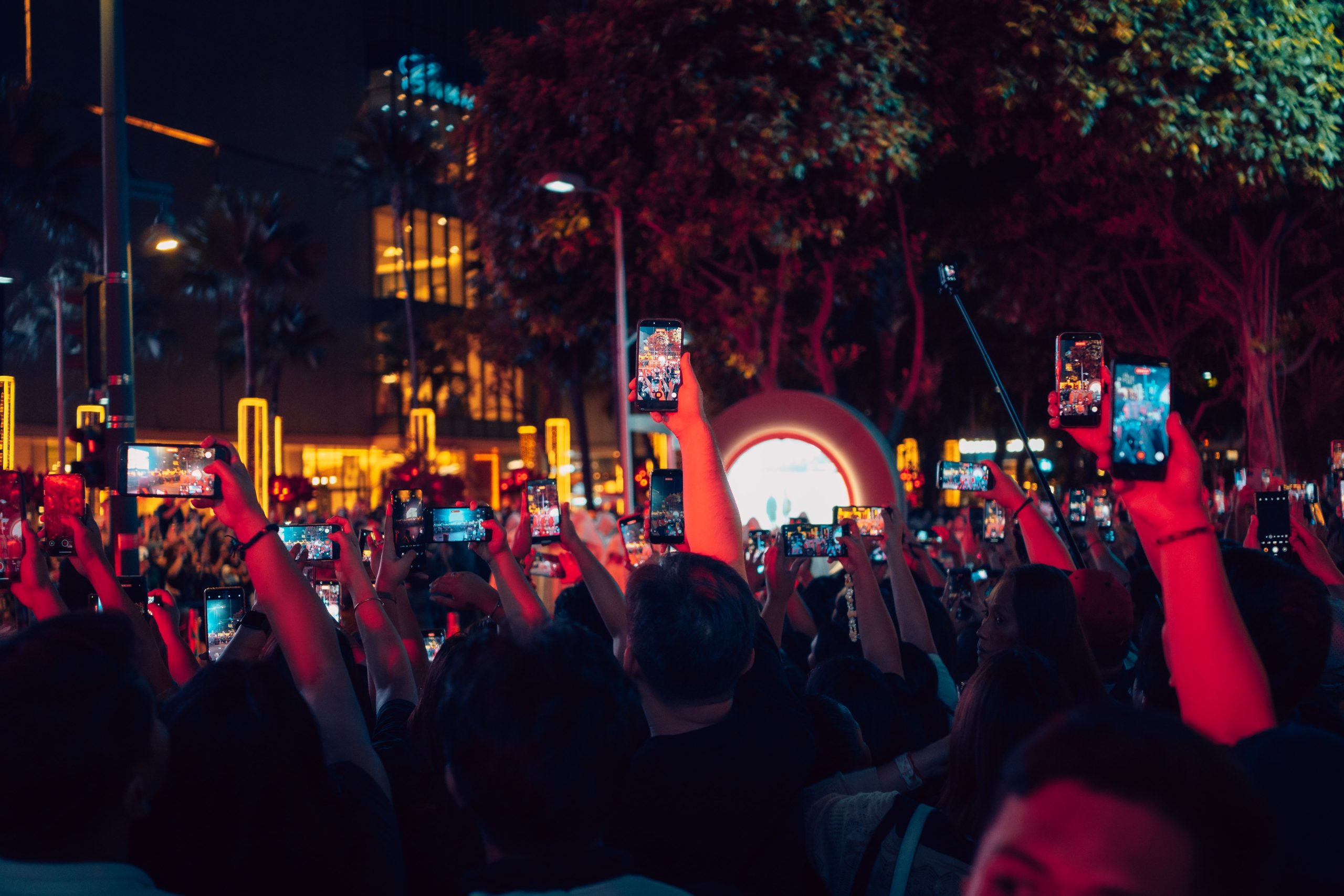
For decades, pop culture was largely shaped by celebrities, record labels, television networks, and entertainment companies. Fans consumed the content, while the industry decided what became popular. Today, that relationship has changed dramatically. Music fandoms are no longer simply audiences—they have become some of the most influential forces shaping internet culture.
From trending hashtags and viral memes to streaming campaigns and sold-out tours, fan communities now play a major role in determining which artists dominate online conversations. Their collective influence extends far beyond music, affecting fashion, technology, marketing, philanthropy, and even the way social media platforms operate.
As digital communities continue to grow, fandoms have evolved into powerful cultural movements capable of influencing entertainment on a global scale.
The evolution of fandom
Being a fan has always involved enthusiasm and support, but today’s fandoms operate on an entirely different level. Social media platforms allow millions of people from different countries to connect instantly, organize campaigns, and celebrate their favorite artists together.
Instead of waiting for magazine articles or television interviews, fans now create their own discussions, artwork, videos, podcasts, reaction content, and analysis within minutes of a song or announcement being released.
The result is an entertainment ecosystem where audiences actively shape conversations instead of simply participating in them.
Social media transformed fan communities
Platforms such as TikTok, Instagram, YouTube, and X have fundamentally changed how fan communities function.
A teaser clip, concert moment, or behind-the-scenes photo can spread worldwide within minutes because fans immediately share, remix, and discuss it across multiple platforms.
This rapid circulation allows entertainment news to travel much faster than traditional media ever could. In many cases, fan-generated content reaches larger audiences than official promotional campaigns.
The internet has made every fan a potential publisher, editor, and marketer.
Artists and fans now grow together
One of the biggest changes in modern entertainment is the closer relationship between artists and their audiences.
Musicians frequently communicate directly with supporters through livestreams, social media posts, exclusive content, and fan communities. These interactions create stronger emotional connections than traditional promotional strategies.
Artists such as Olivia Rodrigo, Sabrina Carpenter, and Bad Bunny have cultivated highly engaged online communities that enthusiastically support new releases, concert tours, and creative projects.
Rather than simply following entertainment news, these communities actively help shape it.
Fan-created content drives culture
Modern fandom extends far beyond listening to music.
Fans regularly create:
- Reaction videos
- Dance challenges
- Fan art and digital illustrations
- Podcast discussions
- Concert vlogs
- Fashion recreations
- Lyric interpretations
- Compilation edits
- Community events
Much of this content becomes viral in its own right, introducing artists to entirely new audiences.
In many cases, fans create trends that continue long after official promotional campaigns have ended.
Streaming and chart success
Fan communities also influence commercial success.
Organized streaming events, coordinated album purchases, playlist sharing, and social media campaigns help increase visibility for new releases.
While music quality remains the foundation of an artist’s career, highly engaged fan communities often amplify that success by encouraging participation and sustained interest.
Streaming platforms now recognize fan engagement as an important part of an artist’s overall reach.
Fashion, language, and lifestyle
The influence of fandom reaches far beyond music.
Concert outfits inspire seasonal fashion trends.
Catchphrases from interviews become internet slang.
Fan-made memes enter everyday conversations.
Dance routines appear in schools, sporting events, and social media challenges.
Entire aesthetics often emerge from a single album era or concert tour.
This demonstrates how music communities increasingly shape broader internet culture rather than simply responding to it.
Brands are paying attention
Companies have also recognized the influence of music fandoms.
Brands increasingly collaborate with musicians because they understand that loyal fan communities generate remarkable engagement.
Limited-edition merchandise, exclusive product launches, interactive campaigns, and live experiences often succeed because fans enthusiastically share them online.
For marketers, passionate communities have become just as valuable as traditional advertising.
Digital communities become real communities
One of the most remarkable aspects of modern fandom is how online relationships often become genuine friendships.
People meet through shared musical interests, organize fan gatherings, attend concerts together, and maintain communities that extend far beyond entertainment.
These connections demonstrate that fandom is increasingly a social experience rather than simply a hobby.
Many fans describe their communities as places of belonging, creativity, and mutual support.
Challenges of online fandom
Despite their positive influence, large digital communities can also experience challenges.
Fast-moving discussions sometimes create misinformation, heated debates, or unrealistic expectations surrounding artists.
Most fan communities actively encourage respectful discussion, but the speed of social media means disagreements can spread just as quickly as celebrations.
As fandom continues growing, digital responsibility becomes increasingly important for both creators and audiences.
The future of fan influence
As technology evolves through artificial intelligence, virtual concerts, immersive experiences, and interactive entertainment, fan participation will likely become even more central to pop culture.
Future audiences may influence performances in real time, participate in collaborative digital experiences, or help shape creative projects through new forms of online interaction.
Rather than remaining passive viewers, fans will continue becoming active contributors to entertainment itself.
Final thoughts
The rise of digital fandoms marks one of the biggest cultural shifts in modern entertainment. Fans are no longer standing on the sidelines—they are creating trends, influencing conversations, supporting artists, and helping define what becomes culturally significant.
Their creativity extends beyond streaming songs or attending concerts. Through social media, original content, community building, and collective enthusiasm, they have become some of the internet’s most powerful cultural voices.
In today’s entertainment landscape, pop culture is no longer shaped only by celebrities or record labels. Increasingly, it is shaped by the millions of passionate fans whose ideas, creativity, and communities keep music alive long after the final song ends.