Megan Brown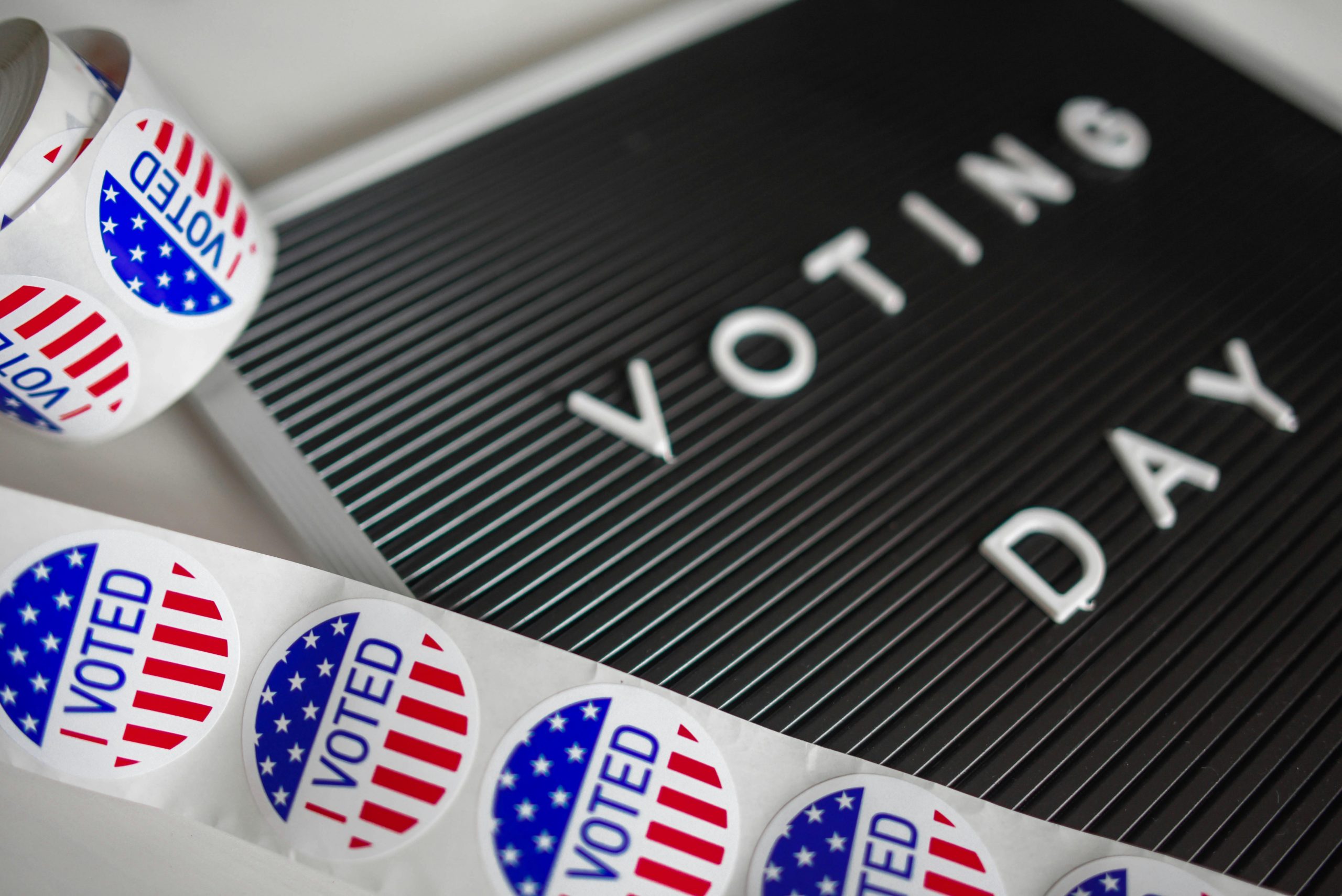
Politics shapes nearly every aspect of our lives, whether we realize it or not. From the taxes we pay to the schools our children attend, the healthcare systems we rely on, and the laws that protect our rights, politics is the mechanism by which society organizes itself. Yet, for many people, politics can seem confusing, distant, or even frustrating. Understanding politics and why it matters is essential—not only to make informed decisions but to actively participate in shaping the world around us.
At its core, politics is about power and governance. It concerns who holds authority, how decisions are made, and whose interests are prioritized. In democratic systems, power is ideally distributed through elected representatives who are accountable to the people. However, even in democracies, political influence is complex and often contested, involving competing ideologies, interest groups, and social movements. This complexity means that politics is rarely black and white; it’s a dynamic arena where ideas clash and evolve.
Political parties play a significant role in this landscape, offering voters distinct visions for how society should function. These parties are rooted in ideologies—sets of beliefs about government’s role in economic management, social issues, and foreign policy. While political parties help organize the electorate and simplify choices, individual politicians and voters often hold diverse views that don’t fit neatly into party lines. Moreover, politics is not static. New challenges such as climate change, technological innovation, and social justice movements continually reshape political debates and alliances.
Elections serve as the most visible expression of politics in action. They give citizens the power to choose their leaders and influence policy directions. Yet, voter turnout varies widely, influenced by factors such as access to polling places, voter registration rules, and public trust in the political system. The struggle over voting rights is ongoing, reflecting broader concerns about who gets to participate in democracy and how inclusive that participation truly is. Every election is an opportunity for change, but also a reminder that democracy requires active engagement.
The consequences of political decisions extend far beyond election day. Policies on healthcare, education, the environment, and the economy directly impact people’s quality of life. For example, debates over healthcare funding and access affect whether millions have affordable medical coverage. Discussions about minimum wage laws influence economic security for working families. Environmental regulations determine how communities respond to climate risks and protect natural resources. Recognizing the connection between politics and everyday realities underscores why political literacy matters.
Politics is also more than just government and elections; it involves civic engagement in many forms. Citizens can express their views by contacting representatives, participating in protests, volunteering for campaigns, or joining advocacy organizations. Social media has transformed political engagement by enabling rapid information sharing and grassroots mobilization, though it has also introduced challenges like misinformation and echo chambers. Despite these complexities, active participation strengthens democracy by ensuring diverse voices are heard.
Modern politics faces significant challenges, including polarization and distrust. In many countries, political divisions have deepened, making bipartisan cooperation difficult and sometimes leading to legislative gridlock. Misinformation and the spread of false news complicate public understanding and fuel cynicism. Additionally, the role of money in politics raises questions about fairness and influence, as wealthy donors and corporations often wield outsized power. Addressing these challenges requires renewed commitment to transparency, dialogue, and democratic norms.
Ultimately, politics is about collective choices and shared futures. It shapes how societies respond to their most pressing issues and determines who benefits from economic growth and social programs. Everyone has a stake in these outcomes, which is why political awareness and participation are vital. Whether through voting, advocacy, or simply staying informed, engaging with politics empowers individuals to influence the policies that affect their lives and communities.
In conclusion, while politics can be complex and sometimes frustrating, it remains a powerful tool for change. Understanding how political systems work, recognizing the importance of policies, and actively participating in civic life are essential steps toward building a more just and equitable society. Politics isn’t just something that happens in distant capitals; it’s a part of everyday life that shapes our opportunities, rights, and well-being. By embracing our role in politics, we can help shape a future that reflects our shared values and aspirations.