Megan Brown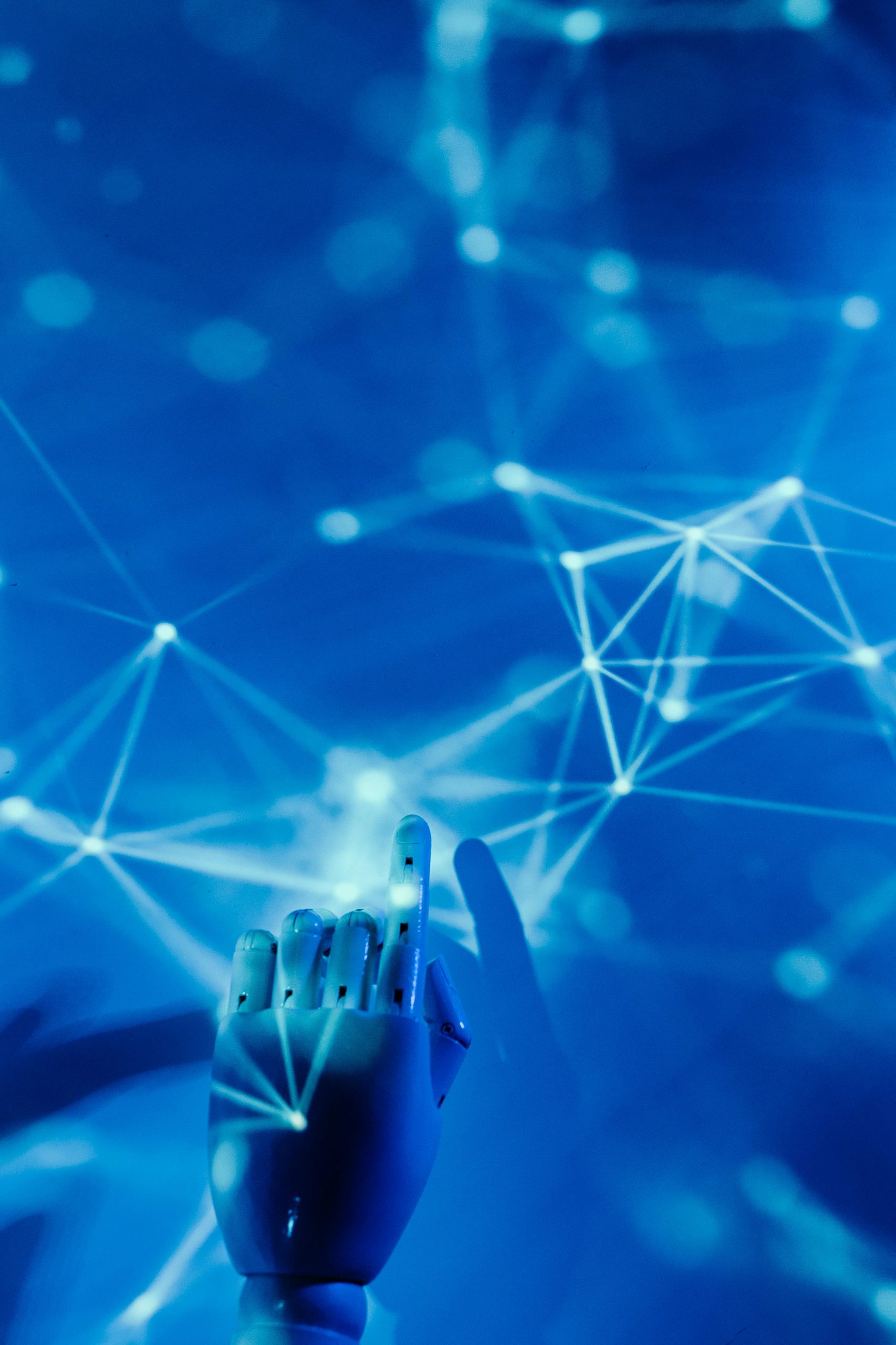
This week’s cultural conversation didn’t revolve around a single moment—it clustered around three recurring forces that are increasingly defining 2026: AI, celebrity control, and internet fatigue. Each topic appeared in different forms across platforms, but together they pointed toward a shared underlying shift in how culture is being produced, consumed, and emotionally processed.
The first thread is AI, which is no longer treated as a separate “tech topic.” It has fully entered creative and social systems. Whether in entertainment, music, media, or visual content, AI is now part of how output is made—not just how it is discussed. That integration is what keeps the conversation active. The debate is no longer about possibility; it’s about boundaries, influence, and control.
The second thread is celebrity control, which is becoming more fragile in real time. Public figures are still highly visible, but their ability to fully shape their own narratives is shrinking. Once a moment enters the digital ecosystem, it is quickly reframed through memes, commentary, speculation, and reaction cycles. Control is no longer about message delivery—it’s about managing how fast interpretation spreads.
The third thread is internet fatigue, which sits underneath everything else. As content volume increases, attention becomes more fragmented and emotionally compressed. People are still highly engaged, but engagement now happens in shorter bursts with faster turnover. A topic can dominate conversation for hours and then disappear just as quickly when replaced by the next wave of attention.
What connects all three is speed. AI accelerates creation. Social platforms accelerate distribution. Audience behavior accelerates reaction. Together, they produce a system where cultural moments form, peak, and dissolve faster than traditional media structures were designed to track.
This speed changes how meaning is built. Instead of slow interpretation over time, meaning is now assembled in real time through overlapping reactions. Facts, memes, commentary, and emotion all arrive at once, often before a stable narrative has formed.
At the same time, there is a growing sense of exhaustion with that pace. People are still participating, but many are also stepping back in micro-ways—limiting exposure, reducing input, or shifting attention to smaller, more controlled environments like group chats or curated feeds.
What emerges from this week is not a single trend, but a pattern: culture is becoming more reactive, more distributed, and more unstable in its attention cycles. AI is changing how content is made, celebrity dynamics are changing how narratives spread, and fatigue is changing how long anything holds attention.
Ultimately, “What This Week Actually Revealed About Culture” is less about individual events and more about structure. In 2026, culture is not defined by what happens—it is defined by how quickly it is interpreted, shared, and replaced.