Megan Brown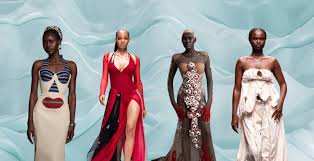
Every year, people predict the same thing: the Met Gala has peaked, celebrity culture is fading, and internet audiences are becoming too fragmented for one event to dominate attention.
And every year, the Met Gala proves the opposite.
In 2026, the event once again controlled digital culture for days after the carpet ended. Celebrity fashion breakdowns, AI-inspired styling, meme reactions, backstage rumors, and instant commentary flooded every major platform. Long after the official livestreams ended, the internet continued recycling, debating, reposting, and reframing the night’s biggest moments.
Because the Met Gala is no longer just a fashion event. It has become a content ecosystem.
The reason it continues dominating online culture is simple: the event is perfectly designed for the internet era. Every look functions as a headline. Every entrance becomes a reaction template. Every celebrity appearance creates instant comparison, debate, and algorithmic engagement.
Fashion alone is no longer the main attraction. Interpretation is.
The modern Met Gala exists in layers. First comes the reveal—the outfit, the designer, the entrance. Then comes the reaction cycle. Social media immediately begins sorting looks into categories: best dressed, worst dressed, overrated, iconic, confusing, AI-generated-looking, “too safe,” or “trying too hard.” Within minutes, memes begin outperforming official coverage.
That reaction economy is what keeps the event alive far longer than the carpet itself.
In 2026, one of the biggest conversations centered around AI-inspired aesthetics. Metallic textures, digitally sculpted silhouettes, hyper-symmetrical makeup, and futuristic beauty styling blurred the line between human glamour and machine-generated imagery. Many users joked that celebrities were beginning to resemble rendered avatars more than real people. Others argued that the shift reflected how deeply AI visuals are now influencing fashion and beauty standards offline.
That conversation spread because it tapped into a larger cultural anxiety already dominating the year: the fear that reality itself is becoming increasingly filtered, optimized, and artificial.
Celebrities like Zendaya, Rihanna, and Bad Bunny continued generating massive engagement not just because of what they wore, but because audiences now treat celebrity appearances like narrative events. Every detail becomes symbolic. Silence becomes strategy. Minimal appearances generate more speculation than constant posting.
That’s another reason the Met Gala remains culturally dominant: scarcity still works.
In an internet environment flooded with daily content, highly controlled visibility creates disproportionate attention. A single appearance from a celebrity who rarely posts or avoids constant exposure can dominate feeds more effectively than someone online every day.
The Met Gala also succeeds because it merges industries that normally compete separately for attention. Fashion, music, film, beauty, technology, meme culture, and influencer marketing all collide into one concentrated visual event. The internet doesn’t experience it as “fashion news.” It experiences it as a multi-platform reaction cycle.
Brands understand this too. Beauty companies track makeup trends instantly. Fashion labels monitor engagement metrics in real time. Meme pages reshape the night into viral formats before official media outlets publish recaps. TikTok creators turn 10-second clips into multi-million-view discussions within hours.
At this point, the event is engineered not only for photography, but for replay value. Looks are designed to freeze into screenshots, circulate through short-form clips, and trigger immediate emotional responses online.
And increasingly, reactions matter more than expertise.
Many of the night’s biggest viral moments are not driven by fashion critics, but by audiences reacting emotionally in comment sections and group chats. Humor travels faster than analysis. Memes spread faster than reviews. Public opinion forms before traditional media fully catches up.
This is why the Met Gala still dominates internet culture while many other award shows struggle to hold attention. The event doesn’t depend on long-form viewing. It thrives on fragmentation. Every image, reaction, joke, and comparison can live independently across platforms.
In 2026, attention spans are shorter than ever, but the Met Gala adapts perfectly to that environment because it produces endless micro-moments instead of one singular narrative.
Ultimately, the Met Gala continues winning the internet because it reflects exactly how modern culture now functions: visually, emotionally, instantly, and collectively.
The outfits matter.
The celebrities matter.
But the reaction cycle matters most of all.