Megan Brown
There is a moment every year when Hollywood seems to change its personality almost overnight. August still carries the energy of summer: blockbuster releases, beachside celebrity sightings, franchise promotions, music events and movies designed to keep audiences entertained through the final stretch of the season. Then September arrives, and suddenly the conversation becomes different. The red carpets become more important. The movies become more closely scrutinized. Actors start being described as awards contenders. Directors become the subjects of serious industry conversations. Fashion takes center stage at international film festivals, television stars prepare for awards season and studios begin positioning their biggest prestige projects for the months ahead. Hollywood does not stop being glamorous in September. It simply becomes more strategic. And as September 2026 begins, the entertainment industry is entering one of its most important transitions of the year.
The shift begins almost immediately with the 83rd Venice International Film Festival, which runs from September 2 through September 12 on the Lido di Venezia. Venice has long been one of the most important early stops on the fall film calendar, but its significance goes beyond simply showing new movies. The festival is where the international film community begins paying closer attention to the films, filmmakers and performances that could dominate the cultural conversation through the rest of the year. The 2026 festival is particularly notable because George Clooney will receive the Golden Lion for Lifetime Achievement, celebrating his career as an actor, director and producer. Even more fittingly, Laura Dern will deliver the laudatio honoring Clooney during the opening ceremony on September 2. That combination of Hollywood history and contemporary cinema perfectly captures what September represents. The industry is looking backward at the careers that shaped modern Hollywood while simultaneously looking forward to the next generation of movies and stars that could define the future.
Venice also has an important role in establishing the mood of the fall movie season. The festival’s opening film is Danny Boyle’s “Ink,” starring Jack O’Connell, Guy Pearce and Claire Foy, which will have its world premiere in competition on September 2. That is exactly the type of event that makes September feel different from the months before it. Summer movies are often judged primarily by their ability to entertain, attract audiences and generate box-office momentum. Festival movies are judged through another lens. Critics, filmmakers, distributors, awards watchers and movie enthusiasts begin asking whether a film has the qualities to remain relevant long after its opening weekend. A performance can become a breakthrough. A director can suddenly become an awards-season favorite. A film that was relatively unknown to mainstream audiences can become one of the most discussed projects of the year after a successful festival premiere.
This is why the language of Hollywood begins changing in September. During the summer, the most common questions are about opening weekends, franchise potential and audience turnout. By September, words such as “prestige,” “contender,” “breakthrough,” “festival favorite” and “awards season” begin appearing everywhere. A movie no longer needs to be the biggest release of the year to become important. It simply needs to create the right conversation. That distinction matters in an industry where attention has become almost as valuable as box-office revenue. A strong festival reaction can generate headlines, social-media conversation, additional press coverage and increased interest from audiences who may not have known about a movie before. September is therefore not just a release period. It is a positioning period.
The fashion world is also preparing for this shift. Venice has become one of the most important intersections between Hollywood and luxury fashion, turning film premieres into major style events. The arrival of a major actor at the Lido can generate two stories simultaneously: what movie they are promoting and what they are wearing. Designers, stylists, beauty teams and celebrity image makers all understand the value of the festival circuit. A memorable red-carpet appearance can dominate social media, appear across fashion publications and become part of the public identity of a movie before audiences have even seen it. September therefore represents a reset not only for Hollywood’s movie calendar but also for celebrity fashion. Summer may belong to relaxed celebrity style, vacation dressing and blockbuster promotional tours, but fall is when the red carpet begins to feel like a carefully constructed cultural event.
The same phenomenon extends into beauty. Festival season gives celebrities opportunities to experiment with more sophisticated hair, makeup and styling, while beauty brands benefit from the enormous visibility surrounding premieres and awards events. A hairstyle, lipstick shade or makeup trend can suddenly become a major talking point simply because it appeared on the right celebrity at the right event. This is one reason September has become so important to the broader celebrity economy. Hollywood stars are not promoting only films or television shows anymore. Their appearances can influence fashion, beauty, luxury, social media and consumer behavior at the same time.
But perhaps the biggest reason September changes Hollywood’s mood is the beginning of awards-season thinking. The industry does not officially decide everything in September, but this is when many of the narratives begin forming. The films that receive attention at Venice and other fall festivals can influence what critics, journalists and awards watchers discuss throughout October, November and December. A performance that receives early praise can suddenly become one to watch. A director can move from being respected to being considered a serious awards contender. A film can go from an unknown title to one of the year’s most anticipated releases. In Hollywood, momentum matters, and September is one of the months when momentum begins building.
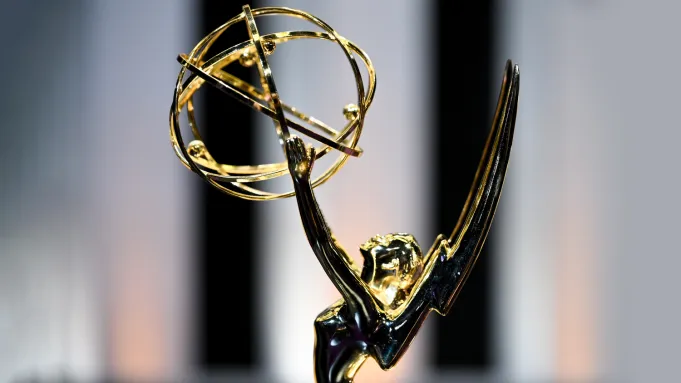
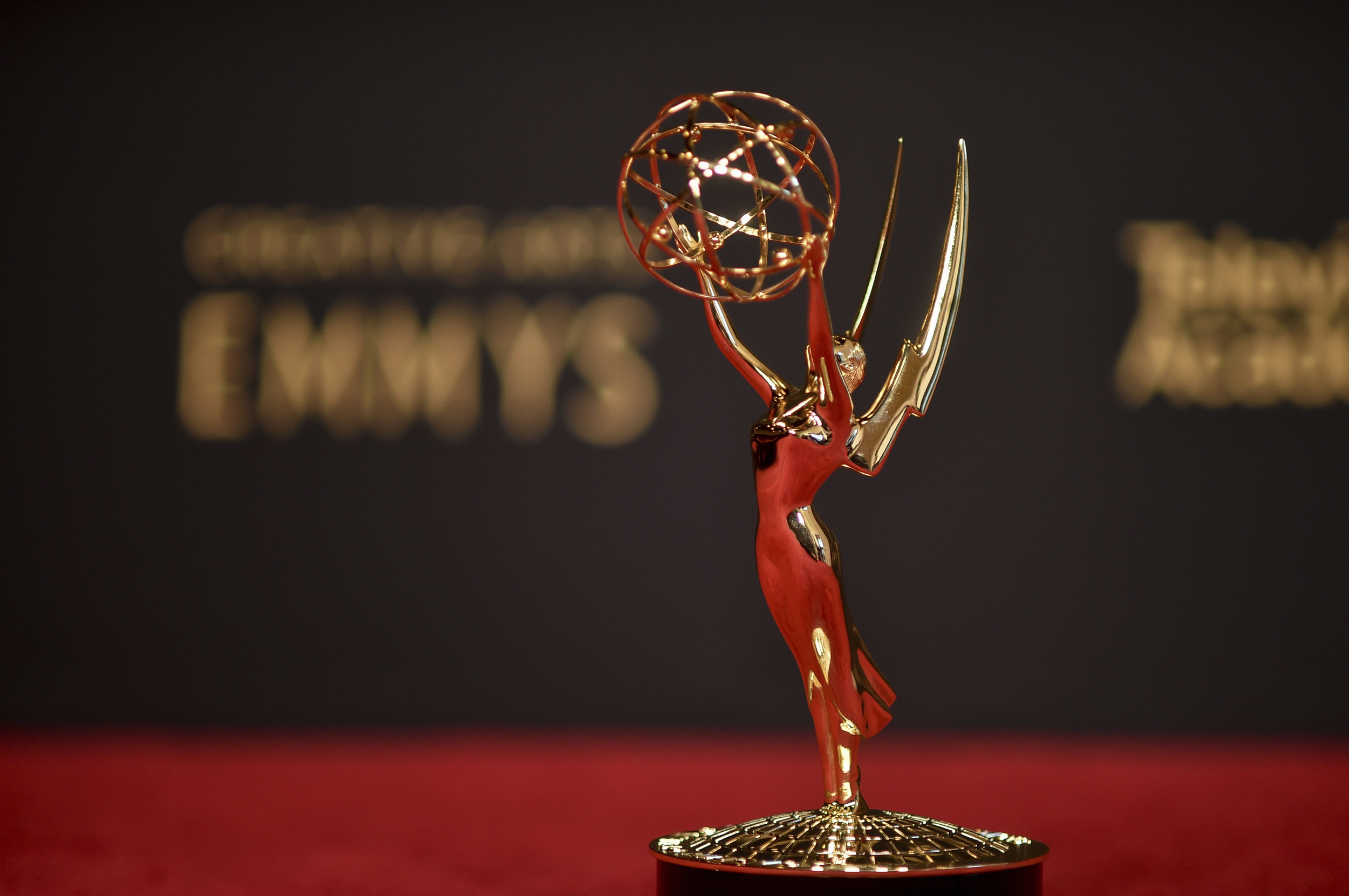
That momentum is not limited to movies. Television is also entering a major awards period. The 78th Emmy Awards will take place across September, with Creative Arts ceremonies scheduled for September 5 and 6 and the main Emmy telecast scheduled for September 14. The main ceremony will be hosted by Emmy Award winner Mariska Hargitay and will air live on NBC and stream on Peacock. The Television Academy has also made changes to the presentation of the awards, moving selected categories to the earlier ceremonies as part of an effort to create a more focused and engaging main broadcast. That decision says a great deal about where Hollywood is right now. Even awards shows, once considered guaranteed television events, are competing for attention in an entertainment environment dominated by streaming platforms, social media, short-form video, podcasts, gaming and constantly changing viewing habits.
The Emmys therefore represent more than a night of trophies and red-carpet glamour. They are part of Hollywood’s continuing effort to remain culturally relevant in an increasingly fragmented entertainment landscape. The industry has to compete for viewers who can watch almost anything at any time. A television awards ceremony cannot simply assume that audiences will tune in because famous people are present. It needs moments that feel immediate, entertaining and shareable. September provides the perfect environment for that competition because the entertainment calendar is suddenly crowded with major events.
The celebrity conversation changes too. During the summer, stars can spend weeks promoting massive productions, attending premieres and appearing in carefully planned publicity campaigns. September brings a different kind of visibility. Film festivals encourage longer interviews, filmmaker conversations and discussions about creative choices. Actors talk more deeply about their performances. Directors explain their ideas. Journalists begin asking questions about the future. The public gets to see celebrities not only as stars promoting a product but as artists discussing their work. That can significantly change the way an actor or filmmaker is perceived.
There is also a growing appetite for documentaries and films that engage with real-world subjects. The 2026 Venice lineup includes major documentary projects alongside its narrative films, including Alex Gibney’s documentary about Elon Musk and “NAZA,” directed by Yuval Abraham and Rachel Szor, which was added to the main competition. The festival’s official program reflects the increasingly broad definition of what major cinema festivals can represent. These projects demonstrate how the film industry is becoming a space for cultural debate as much as entertainment. Movies can now become conversations about technology, politics, history, identity, celebrity and society. The biggest cultural impact of a film is not necessarily measured by how much money it makes during its opening weekend. Sometimes its impact comes from the questions it forces audiences to ask.
At the same time, Hollywood is not abandoning nostalgia. Far from it. Established franchises, familiar characters and legacy properties remain powerful tools for attracting audiences. September’s entertainment landscape continues to show the industry’s interest in recognizable worlds alongside original stories and prestige filmmaking. That combination is becoming increasingly common. Hollywood wants audiences to feel comfortable enough to return to familiar franchises while also giving them something new to discover. The result is a movie calendar that can feel simultaneously nostalgic and experimental.
This may actually be the defining characteristic of Hollywood in 2026: contradiction. The industry wants spectacle and substance. It wants theatrical blockbusters and streaming hits. It wants younger audiences living on TikTok and older audiences who grew up with traditional movie theaters. It wants original filmmaking while continuing to rely on recognizable intellectual property. It wants celebrities to feel accessible through social media while maintaining the glamour and exclusivity of major red carpets. September brings all of these competing priorities into the same cultural space.
The internet has made this even more complicated. A movie trailer can be analyzed within minutes of being released. A celebrity outfit can become a viral discussion before the premiere is finished. A festival review can spread across social media before most audiences have had the opportunity to see the movie. A single interview clip can redefine how a celebrity is perceived. This means Hollywood’s traditional promotional calendar is now interacting with a much faster and less predictable digital culture. September is one of the moments when those two worlds collide most visibly.
That collision can also create unexpected winners. A movie that begins the month as a relatively small release can suddenly become a major cultural event. An actor who was not considered a frontrunner can receive enough praise to enter the awards conversation. A fashion moment can overshadow a movie premiere. A television performance can become a viral clip. A documentary can generate debate far beyond the film community. Hollywood can plan campaigns, but it cannot completely control what audiences decide to care about.
That unpredictability is part of what makes September exciting. The industry enters the month with expectations, but those expectations can change rapidly. The first major festival reactions can alter the conversation. The Emmys can produce unexpected winners. New releases can outperform predictions. A celebrity appearance can become a defining fashion moment. By the end of the month, the entertainment landscape may look very different from how it appeared on August 31.
This is also why September matters to audiences who do not consider themselves serious movie fans. Hollywood’s influence extends far beyond theaters. The movies and shows being promoted during the fall influence fashion, beauty, social media, celebrity culture, streaming conversations and even the way people spend their free time. A major film can inspire a fashion trend. A television series can dominate social media. A celebrity’s red-carpet look can influence beauty searches. A festival can introduce audiences to a filmmaker they have never heard of. Entertainment has become a network of connected cultural moments rather than a collection of isolated releases.
The timing could hardly be more significant. The 83rd Venice International Film Festival begins on September 2, placing the world’s attention on the Lido just as Hollywood transitions into its fall cycle. George Clooney’s Golden Lion adds a major career celebration to the opening, while Danny Boyle’s “Ink” gives the festival a high-profile world premiere. Then, less than two weeks later, the television industry takes over with the main Emmy ceremony on September 14. Between those events, audiences will be watching new films, following celebrity arrivals, discussing performances and beginning to form opinions about what could dominate entertainment coverage through the end of the year.
So when people say September changes Hollywood’s mood, they are not simply talking about the arrival of fall. They are talking about a shift in priorities. Summer is about excitement. Fall is about significance. Summer asks what will entertain audiences this weekend. Fall asks what will stay with them for the rest of the year. Summer celebrates the biggest stars. Fall begins asking which performances deserve to be remembered. Summer is driven by spectacle. Fall adds criticism, conversation, prestige and competition.
That does not mean Hollywood suddenly becomes serious. The industry will still deliver franchises, horror, fantasy, nostalgia, celebrity glamour and enormous entertainment spectacles. But alongside those familiar ingredients will be a stronger emphasis on artistic ambition, awards potential and cultural relevance. The result is a much richer entertainment landscape.
And that is why September 2026 could be one of the most interesting months of the Hollywood year.
The industry’s biggest stories are no longer necessarily the movies with the biggest budgets. They can be the performances nobody expected, the filmmaker who surprises critics, the television series that dominates the Emmys, the celebrity who owns the red carpet or the film that turns into a cultural conversation overnight. September is where those possibilities begin to take shape.
Hollywood is changing gears.
The summer blockbuster season is not disappearing. It is simply making room for something more complicated: prestige alongside spectacle, nostalgia alongside originality, celebrity alongside artistry and entertainment alongside cultural conversation.
The red carpets are getting ready. The festivals are beginning. The awards conversations are starting. The television industry is preparing for its biggest night. And audiences are about to be introduced to the movies, performances and personalities that could define the final months of 2026.
Summer gave Hollywood its biggest spectacles.
September is about to give Hollywood something more valuable: a new story.
And by the time the month is over, the entire entertainment industry may be talking about a very different set of names, movies and moments than the ones dominating the conversation today.
References
- La Biennale di Venezia — Biennale Cinema 2026 — Official information and dates for the 83rd Venice International Film Festival, taking place September 2–12, 2026.
- La Biennale di Venezia — George Clooney Golden Lion for Lifetime Achievement — Official announcement of George Clooney receiving the Golden Lion for Lifetime Achievement.
- La Biennale di Venezia — Laura Dern to Honor George Clooney — Official announcement regarding Laura Dern’s role in the Venice opening ceremony.
- La Biennale di Venezia — Danny Boyle’s “Ink” Opening Film — Official information about the festival’s opening film and world premiere.
- Television Academy — 78th Emmy Awards — Official broadcast information for the 2026 Emmy Awards.
- Television Academy — Mariska Hargitay to Host the 78th Emmy Awards — Official announcement of Mariska Hargitay as host of the 2026 Emmy Awards.
- Television Academy — Emmys Update: Categories by Show — Official information about changes to the 2026 Emmy ceremony format.
- Television Academy — 2026 Awards Calendar — Official schedule for the 2026 Creative Arts Emmy ceremonies and Primetime Emmy telecast.