Megan Brown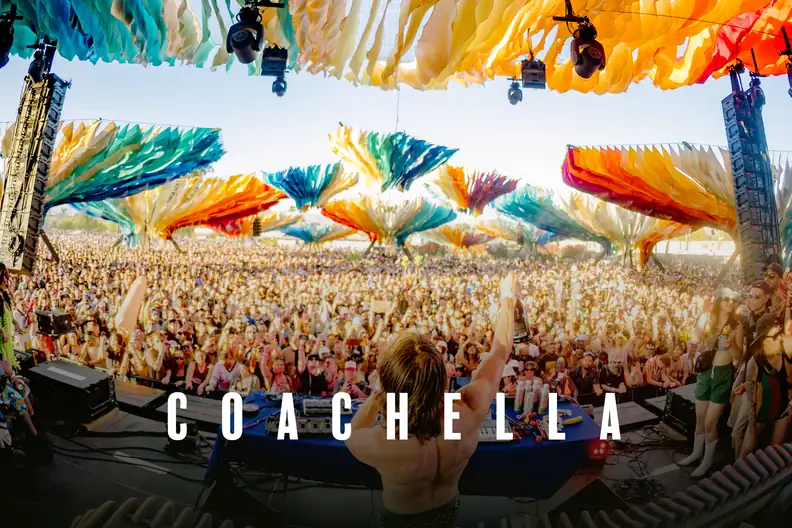
The final notes of the headline sets have barely echoed across the Empire Polo Club, but for the retail world, the real performance is just beginning. In 2026, Coachella has officially transitioned from a music festival into a high-velocity, billion-dollar retail engine where visibility on the polo fields converts into global product demand almost instantly. While the music draws the crowds, the “Coachella Effect” drives the economy, proving that a single viral “Get Ready With Me” (GRWM) video or a high-profile stage placement can sell out entire inventory lines before the first weekend is even over.
This overnight conversion is powered by what industry insiders are calling the “Direct-from-Desert” pipeline. In 2026, the traditional six-month fashion cycle has been compressed into six minutes. Brands like Revolve and Zara have mastered this by launching dedicated festival collections months in advance—often as early as September—to build a “commercial runway” that leads directly to the festival gates. When stars like Hailey Bieber or Sabrina Carpenter appear in “intentional” silhouettes like vintage silk Dior or structured white poplin, shoppable tools on TikTok and YouTube allow millions of “Couchella” viewers at home to “shop the look” in real-time. This immediate accessibility has turned the festival into the world’s most effective live-action catalog, where “Modern Boho” and “Desert Western” staples move from the screen to the shopping cart in a matter of clicks.
The data from 2026 reveals that brand activations are now outperforming traditional stage exposure in driving actual sales. While a logo on a jumbotron builds awareness, “stealth” placements—like a specific electrolyte drink sitting on an influencer’s vanity or a pair of comfort-led “balloon pants” worn in a roadside pop-up—build trust and desire. Brands that prioritized “service-based” marketing, providing high-value essentials like skin-repair stations or hydration lounges, saw a massive spike in long-term brand loyalty and immediate site traffic. These organic-feeling moments resonate more deeply with a Gen Z and Millennial audience that is weary of traditional ads but eager to invest in the “festival lifestyle.”
Ultimately, Coachella 2026 has proven that the desert is the ultimate laboratory for the future of commerce. It’s no longer just about who is on the lineup; it’s about which products become part of the festival’s narrative. From archival fashion finds to high-tech recovery tools, the festival drives a level of “earned media” that no TV commercial can replicate. As we move into Weekend Two, the retail machine is already recalibrating, proving that in the digital age, the most powerful stage isn’t made of wood and steel—it’s the one in the palm of your hand, turning every dusty mile into a global shopping event.