Megan Brown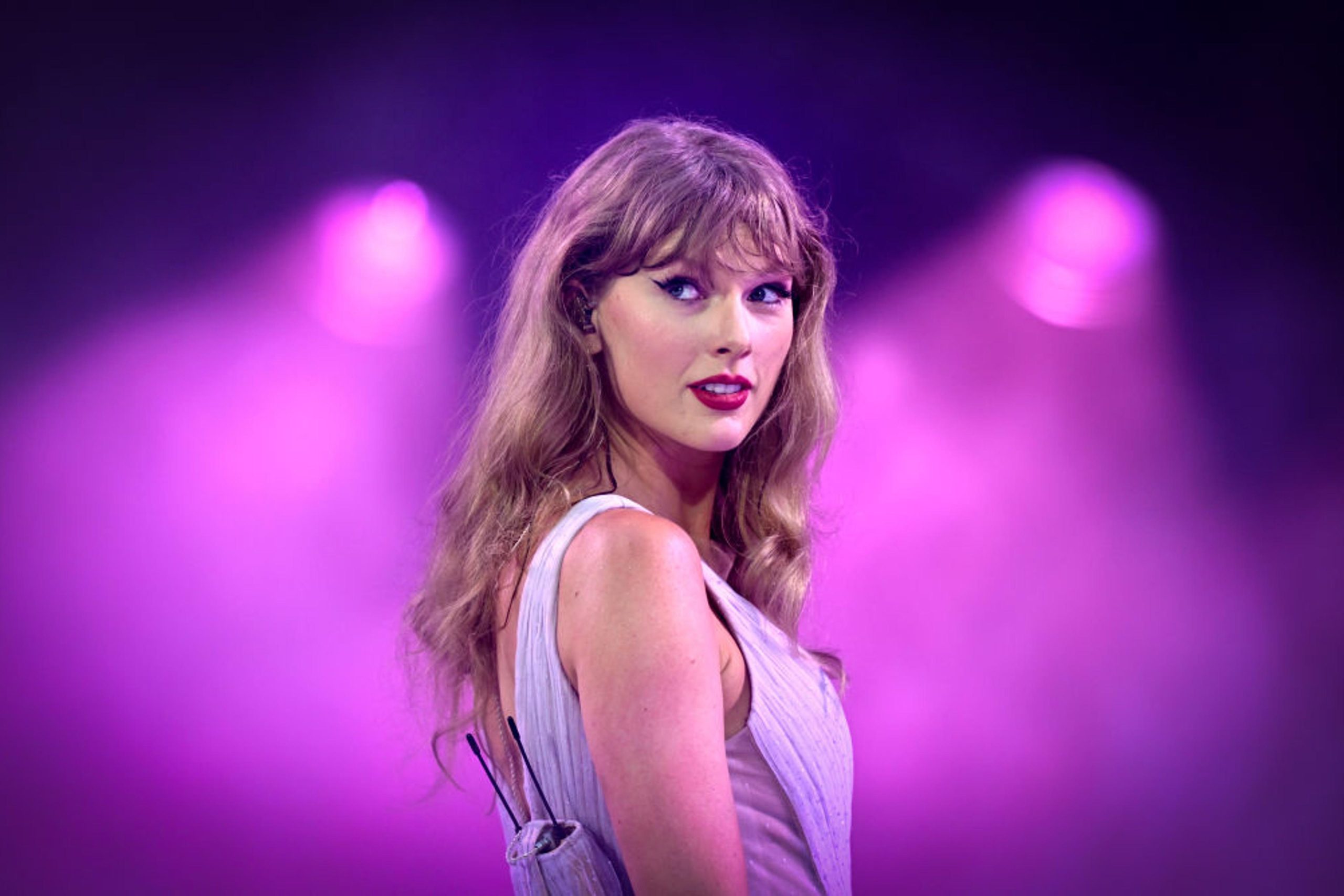
For decades, the music industry revolved around album releases. New records generated headlines, dominated charts, and defined an artist’s success. Today, that balance is shifting. While streaming has made music more accessible than ever, live performances are becoming the experiences that truly capture public attention.
Concerts and tours have evolved beyond entertainment. They are now cultural events—moments that bring together music, fashion, social media, and community in ways that recorded music alone often cannot. Attending a major tour has become an experience people plan around, document, and remember long after the final song.
One reason for this shift is the value of shared experiences. In a world where most media can be consumed instantly from a phone, live music offers something increasingly rare: a moment that exists only in real time. The atmosphere, crowd energy, and emotional connection cannot be fully replicated through a screen.
Artists such as Beyoncé, Taylor Swift, and Harry Styles have demonstrated how tours can become major cultural phenomena, generating conversations that extend far beyond the music itself.
Social media has amplified this trend. Concert outfits, fan experiences, surprise performances, and audience reactions often dominate online discussions for weeks. A tour now produces a continuous stream of content that keeps fans engaged throughout its duration.
The emotional appeal is another important factor. Live performances create a sense of connection between artists and audiences that recorded music cannot fully match. Fans are not simply listening to songs—they are participating in a collective experience.
Economic changes within the music industry have also contributed. As streaming reshaped how artists earn revenue, live performances became increasingly important. This encouraged larger productions, more immersive experiences, and greater emphasis on touring as a core part of an artist’s brand.
Beyond music itself, concerts have become social events. People travel across cities and countries to attend shows, turning performances into weekend getaways, reunions, and milestone experiences. The event often becomes as important as the performance.
Fashion and culture are now deeply connected to these tours as well. Certain concerts inspire trends, influence consumer behavior, and create visual identities that extend beyond the stage.
What makes this renaissance particularly notable is that it spans generations. Younger audiences view concerts as highly shareable experiences, while older fans continue to value the emotional connection of seeing artists perform live.
Ultimately, the growing popularity of live music reflects a broader desire for meaningful, shared experiences. In an age of endless digital content, people are increasingly drawn to moments that feel immediate, emotional, and impossible to duplicate. That is why tours are becoming more than performances—they are becoming cultural landmarks.
References
Harvard Business Review – Experience Economy Insights
Pollstar – Live Entertainment Industry Insights